Social media isn’t all bad. In fact, it can be good.

Social media is blamed for many ills in our society, and no doubt it has its problems. But like anything else, it can be used for good as well as bad.

It depends on the people using it.

Ordinary, everyday people with no journalism or writing background now have the ability to post opinions, insult others, stir up controversy with a simple post. They write things they would never say to someone’s face and hide behind the perceived protection of a certain amount of anonymity. I think we all recognize that.

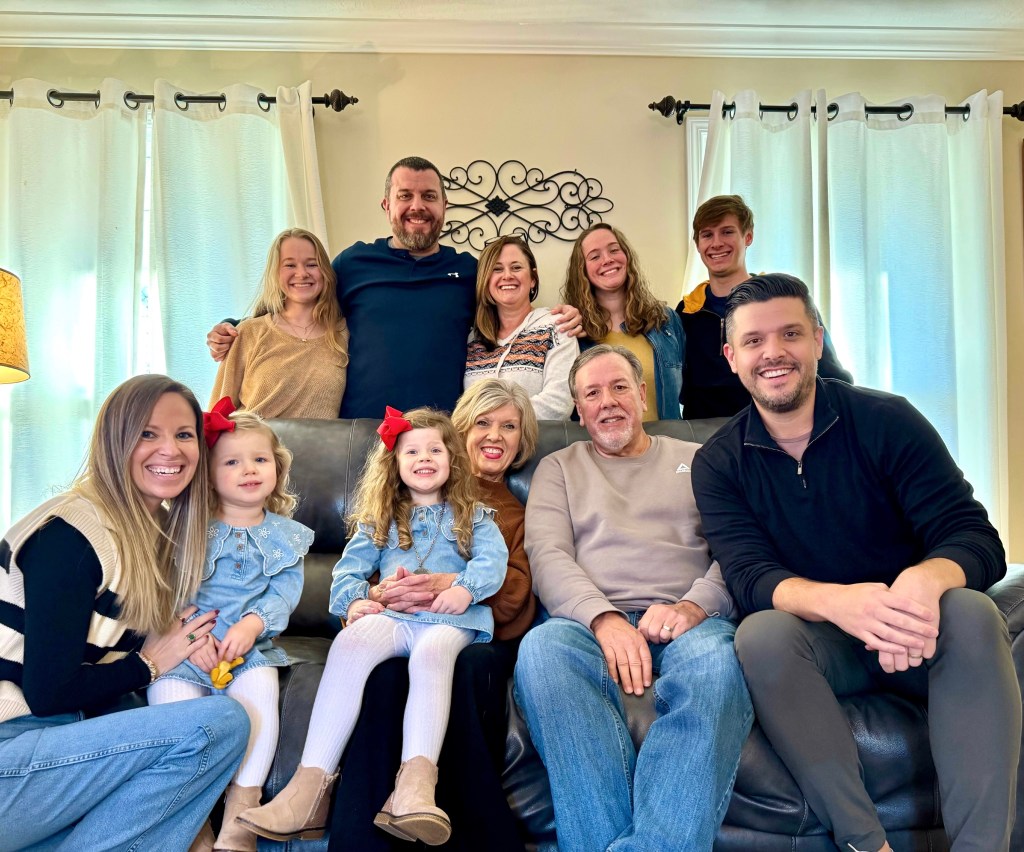
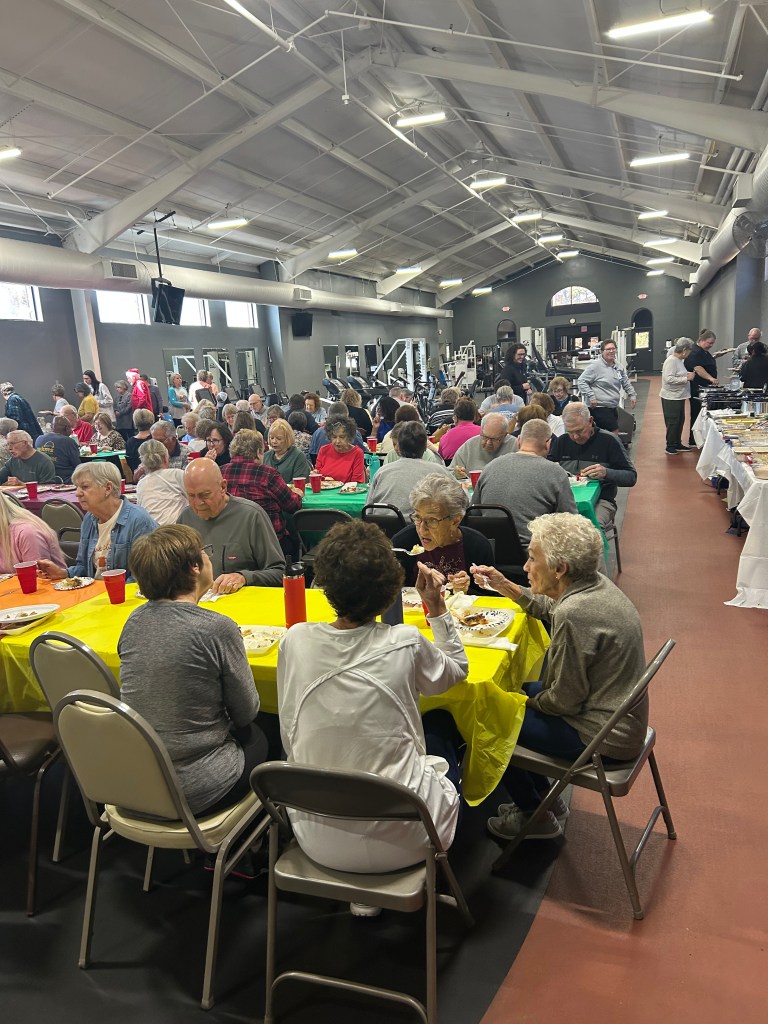
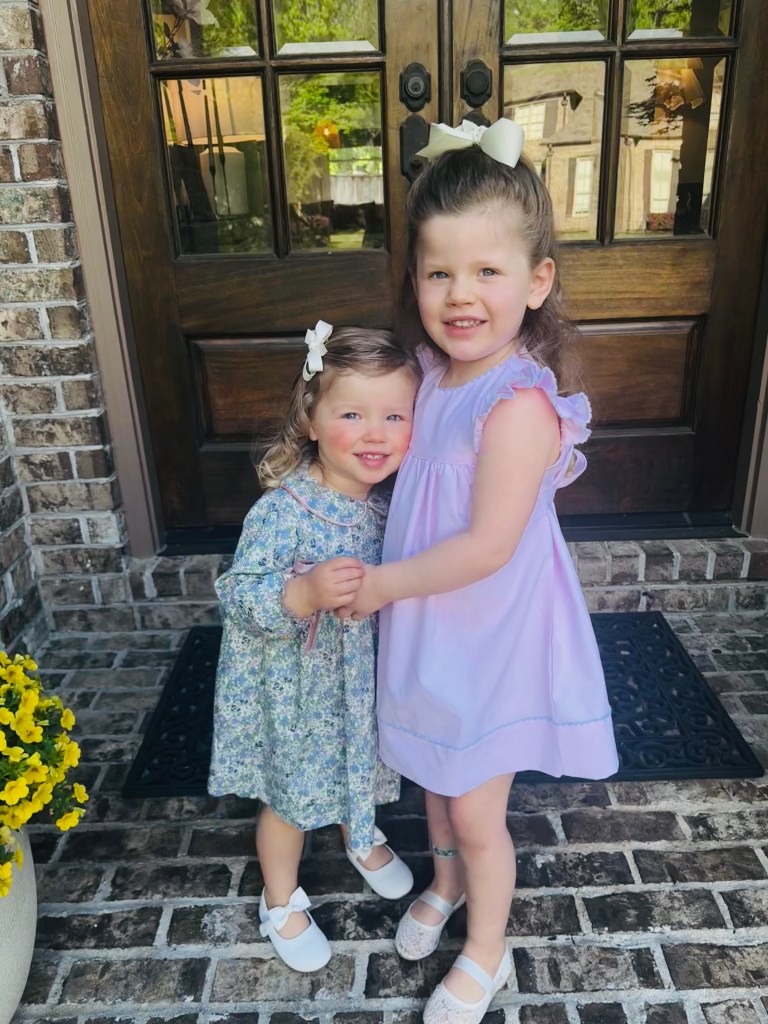
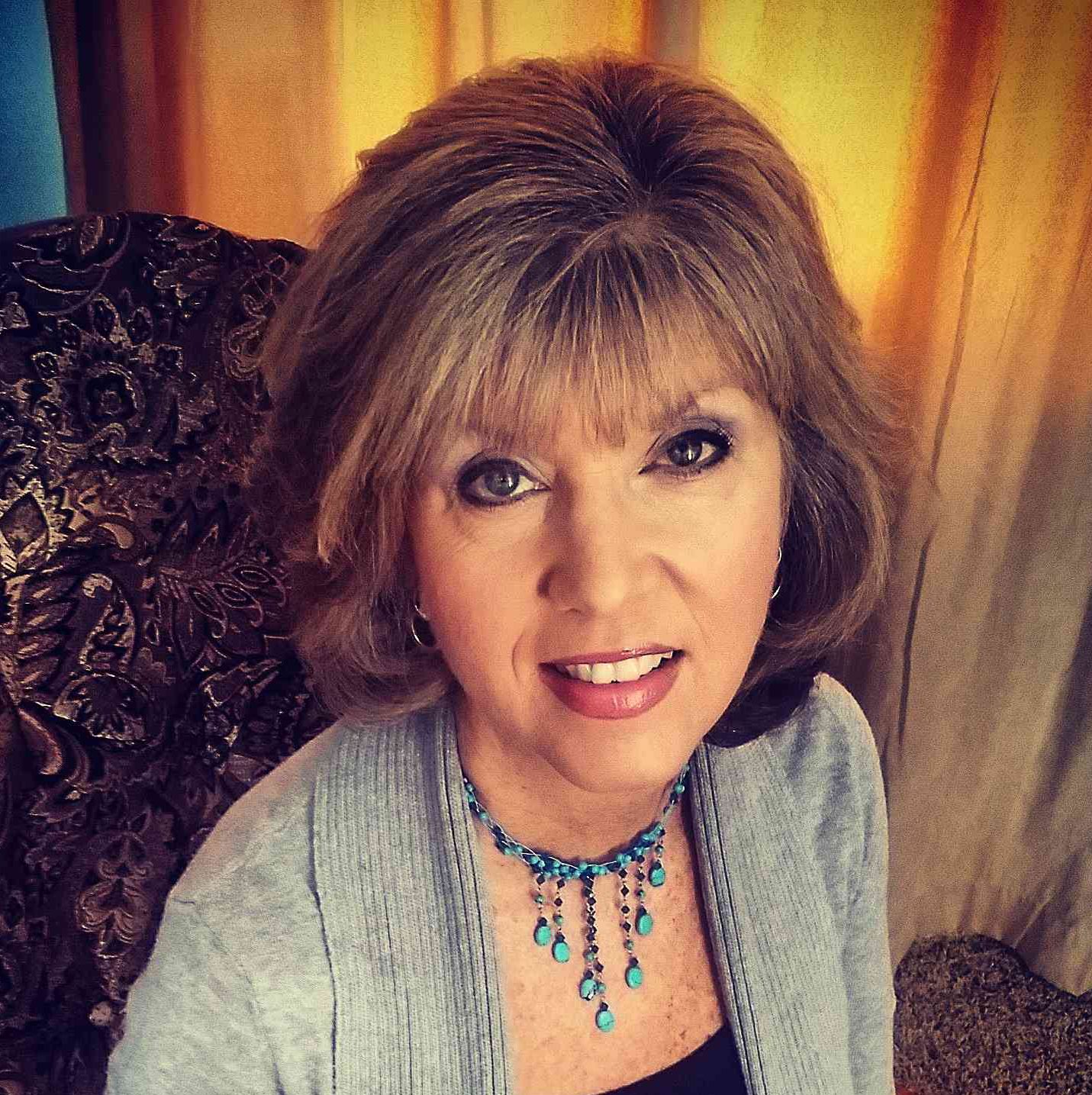
On the other hand, ordinary, everyday people with no journalism or writing background now have the ability to share their life experiences, thoughts, and photos of vacations, grandchildren (as in the above–aren’t they just too cute for words?), and even a meal they’re enjoying in a restaurant or one prepared at home.

I prefer the latter group. If you post something political, I won’t listen to it. Remember, I can’t read very well because of vision loss, so I have to use VoiceOver. If I want to learn about what’s going on in politics, I listen to and watch various sources to get a true picture of what is going on. Maybe those sources aren’t telling the entire truth, but your opinion is not exactly correct either. I tend to view all of it with skepticism, but the beauty of social media posts is I don’t have to read them. I can skip them, and I do!

Just as we can skip those posts about grandchildren, if we have no interest in our friends’ grandchildren. Just as we can skip those posts full of hate speech. We can even delete them or block that person. WE are the ones who have control.

When I first joined Facebook in 2i009, I created my account to include my maiden name. I had moved away from the places I grew up, and lived too far away to be in contact with my classmates and friends. Facebook, I reasoned, was a great way for us to find each other. And I was right. Because of Facebook, Judi and I reconnected. Mimi and I reconnected. Many of my classmates, whom I had not seen or talked to since graduation, and I reconnected. It was and is great!

I have used Facebook and other social media outlets to spread information about what it’s like to lose vision and how to cope with it. I use Facebook to share this blog. I’m guilty of sharing my motivational thoughts (I try to say I’m not being preachy, but my husband says some are preachy) because I’m a writer. Not necessarily a professional one. But I’m a writer. Ever since I was very young, I was writing short stories and keeping a diary or journal. Other writers understand. It’s as though the words just have to come out in print, as though I have to type them to sort through them. For writers, sharing our thoughts this way is a form of therapy. And it is our hope our own self-therapy will help someone else.

But I understand the way social media is impacting some people. I understand how addictive phones are for many of you (remember, I can’t scroll stuff the way you do. I am often annoyed by being surrounded by people who are constantly checking their phones, but I’m sure if I had that ability, I’d be doing the same. After all, information and entertainment and communication all in one small device.

I especially understand how social media is impacting young people. When I was growing up, it was the name-calling at school (my particular names from my junior high classmates–and that age group is the meanest age group of all for various reasons–were Twiggy, Four-Eyes, Zipper, and Coke Bottles). Explanation of the Zipper name–Hey, Pam, turn sideways and stick out your tongue, and you look like a zipper! Yes, I was very skinny. Coke Bottles? For those of you old enough to remember soft drinks in glass bottles, you remember how thick the glass on the bottom was. The reference was to my very thick glasses for a very near-sighted me.

But I digress. Back to social media. I could go home from school, cry about the hurtful words, and I could tell my mom about my day, and I could escape it. The access to texting and social media these days make those insults impossible to escape, and far too many young people are suffering because of it. I don’t know what the solution is other than not allowing them to have accounts, and it is a huge concern which I’m not qualified to address.

For me, though, I’m grateful I have social media outlets. For those who live alone and are lonely, it’s a way to reach out to others. For those of us who want to know what’s going on with our friends and family, it’s a great way to share. A loved one has passed away? If you desire, you can honor that person with a social media post. Someone celebrating a birthday? You can share it with the world. By the way, my mom lived to be almost 94, and as she got older, I shared a picture of her and the fact it was her birthday. Numerous people wished her a happy birthday on those posts, and when I shared them with her, it made her day. She loved the attention, and why shouldn’t she have?

Social media, then, is not the real problem. The real problem is the people using it. It’s not the social media platform creating the controversy, spreading the misinformation, or spouting profanities that would not be tolerated in mainstream media. The real problem is the person behind the post.

I skip those posts and even block them. You may not. You may love them and have a desire to interact with them. That’s fine. It’s your choice.

We have a choice. How we use social media, when we use it, if we use it. We have a choice in what we read.

People have been creating controversy for as long as humans have been on the planet. But there have been and are many people who try to make the world a better place.

I like to be around those people. I want to be one of those people.

And I will continue to post pictures of my family, grandchildren, friends, dog, our trips, and about ways to live with vision loss. I will continue to post things about my books, my “preachy” thoughts (I’m preaching to myself as much as to anyone else), and anything else that inspires me.

If you don’t like them, skip them. That’s fine. We all have that choice.

Why I like people as well as mankind

In the movie Brown vs. The Board of Education, there is a great line. One of the fighters for integration tells Sidney Poitier’s character about one of the others involved, “He’s a great lover of mankind. It’s people he can’t stand.” Now that’s an oxymoron or paradox whichever way you’d describe it.

Me, I love people. This friend in the photo who did the St. Jude Walk with me in September also loves people. I know because I see what she does. She doesn’t have to tell me. I see it in her generous giving of her time, in the way she takes care of those going through struggles (health and emotional), the way she is always ready to give a helping hand. She has always done this but even more so since losing her husband a little over four years ago. Her grief continues, but she doesn’t allow it to make her withdraw from the world. She’s too outgoing to do that, and she’s too concerned about others.

I’m one of those people she has helped and continues to help. But that’s the subject of another blog.

I had one sibling, a brother nine years older than I was, and in a way, it’s as though our parents raised two only children. By the time I was seven, he was sixteen and working part-time jobs and doing things with is friends when he wasn’t in school. I was the pesky little sister who invaded his room at times or did annoying things. When I was about 17, we developed a close friendship, but it wasn’t the same as if I’d had a sibling closer in age.

When we moved to a town in Middle Tennessee (people from Tennessee understand why I capitalized those two words, don’t think it’s grammatically incorrect), I was almost 12, and we moved to a neighborhood with no kids. Everyone on our street and nearby streets were older with no children living at home. That was a first for me. I’d always had neighborhood friends. Those were lonely years for me. Every now and then a friend came over or I went to a friend’s house, but most days were lonely ones. We lived a couple of blocks from the library, and during the summer months, I walked to the library, checked out five or six books, took them home and read them, and then three days later walked back to the library. You get the picture.

When we moved to a newer neighborhood when I was 15, I had a few friends within walking distance, but the game-changer then was…I got a telephone in my bedroom! How exciting! And when I got my license as soon as I turned 16, the world opened up.

I loved school for the most part. Why? Because I was with other people my age. I was in clubs like the Drama Club, Interact, and more. I was on the yearbook staff. I went to every home football and basketball game even though I didn’t care about sports. Sure, I cheered for our team and found it exciting, but I was there for the social interaction.

College meant dorm life, and I loved living in the dorm. I really did. I loved having friends around me most of the time, and if I mention this dorm and someone who was there reads this, they’ll understand–Ellington Hall. The best!

When I graduated from college and went to work at a local bank, my co-workers were near my age but married. I was single. My roommate had a steady boyfriend who took up all her free time, so, just like those early years in Middle Tennessee, I was bored and lonely when not at work. I looked forward to Mondays and hated the weekends.

Don’t get me wrong. There were and are times I needed alone time. When I was in high school and busy with classes and clubs, there were Saturdays I just wanted to stay at home and do my own thing. When I was teaching and surrounded by hundreds of people every day, there were times I longed to be in a log cabin in the woods, with just my family, to get away from the busyness of life. I used to call those times suffering from “people pollution.”

But, for the most part, I need to be around people almost every day. If I go many days staying at home, even if I talk on the phone to friends and even though my husband is around, I go into a semi-depressed state. Well, maybe depressed is the wrong word. But the days seem so long.

Before you think I should just get out and go on those days, remember: I can’t drive. That is the worst part of losing sight. Once again, that’s a topic for another blog.

I have several friends enduring the hardship and grief of widowhood. I have friends who have lost children. I have friends who are dealing with incurable health conditions. Some deal with their struggles by being with other people. Some withdraw.
Some are open about their loss and reach out to others going through a similar struggle while others remain private.

We’re all different.

I have wished many times I wasn’t as sociable as I am. I have wished and even prayed about being better at being at home most of the time. My mom loved being at home and never wanted her life scheduled in any way except for going to church. I couldn’t get her to go to the senior citizens’ center. She had no interest. Oh, she did love working part-time at Walmart in the fabrics and crafts section. And she was sociable when it came to call ing people on the phone and chatting. She never understood why I wanted to be on the go so much, and I guess I don’t understand it myself.

Yet I do. I honestly like most people. I can count on one hand the number of people I dislike. And I am a great lover of mankind. I want the world to be a better place. I want people to be the best they can be, to live in the best they can for their situation, and I wish all the political division would go away. Fight for what we believe in, but do it in the right away and always with love in our hearts for others. Christians and members of some other religions know what I’m talking about. That, too, is a topic for another blog.

But that same passion makes me struggle with the life I am now living. I am involved in several civic groups and church groups, all of which meet the first two weeks of the month beginning in the fall and continuing through spring. And I know myself. I know during those two weeks my mental state will be good, and I’ll even appreciate my time at home after being involved with those things. But I also know myself well enough to know the last half of each month and the summer months will bring back the restlessness.

I recognize it’s just who I am. I’ve tried to change me, and maybe I will succeed as time goes on. I’m a work in progress. I am blessed with good health, and I know if I were not in good health, I would be fine with being at home most hours of each week. So I don’t want to lose my health just to change my attitude. I had Covid a few weeks ago, and I texted my best friend from my growing up years: “The bad news is I have Covid. The good news is I’m not bored just being around the house.”

The bottom line is each one of us is unique. I often say I’m weird. After all, I am the one who can live without chocolate just fine and am not a huge fan of pizza or hamburgers.

Please don’t misunderstand me. I am blessed beyond measure. I have my wonderful husband and my children, daughters-in-law, and grandchildren, even though my children and their families do not live in the same town so I can see them regularly, and I have all the physical blessings (health, home, etc.) we all want. I know this sounds like I’m complaining. I’m not. I’m just explaining why I feel as I do at times.

My favorite movie is The Sound of Music. I loved it when it came out, and I still love it today. Maybe it’s because of the music. Maybe because of the beautiful scenery. Maybe it’s because of the story.

But I have a feeling it has a lot to do with that nine-year-old girl watching a family with so many children and wishing she had siblings close to her age and the adult she became wishing for the same thing.

Life Lessons Learned from Vision Loss: Maybe They Apply to You

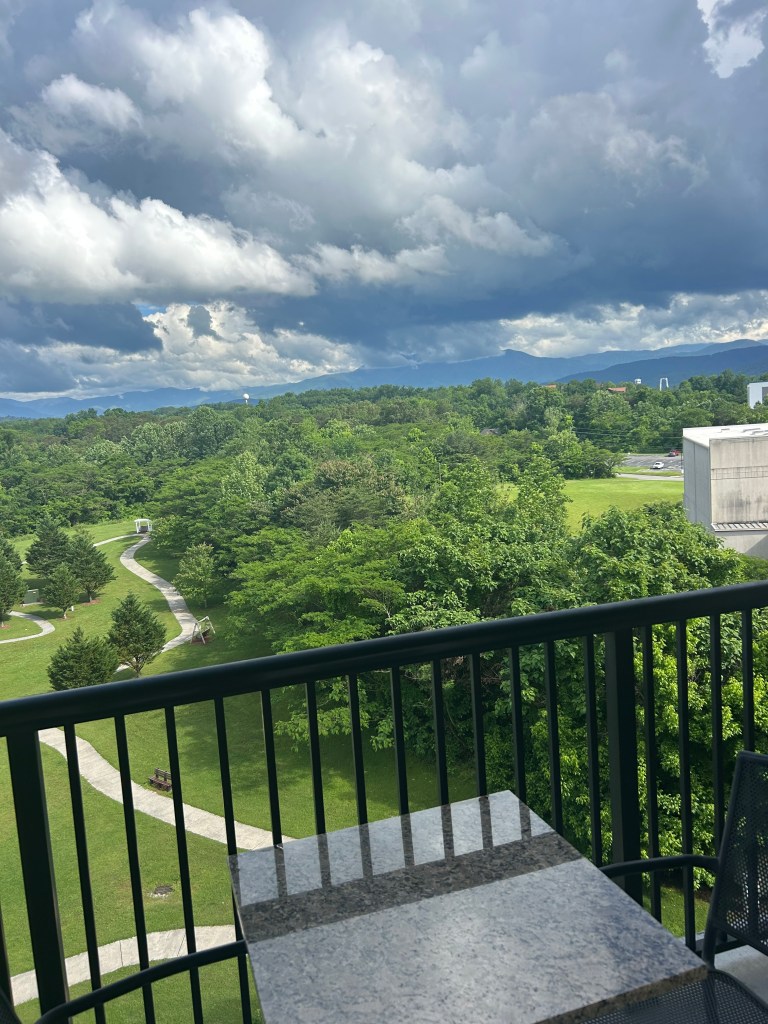
We love the Smoky Mountains, so we go at least once a year. However, I no longer enjoy the beautiful scenery as I once did. I can kind of see it but not really, but guess what? I took this photo from the balcony of our condo and with it uploaded on this site and displayed on the 47-inch television I have my computer connected to, I can appreciate the beauty that area has to offer.

I’m grateful I can at least do that.

My vision loss journey was a long one, but it accelerated in 2019 when I started noticing a fog when looking straight ahead. That fog looked like an actual cloud, and it began maybe 100 feet away from me, maybe farther. I could see everything clearly up to that point, and I could see above and below that foggy cloud, but the cloud obscured what I looked at directly.

I was devastated when that happened, but now I can tell you I’d love to be able to see that well again. Now the fog is everywhere. The only time I don’t feel like I’m looking through a fogged-up window is when I look downward. I’m then able, by using my peripheral vision, to see a slice of the world without fog.

I’m not complaining. I’m just explaining. This description ties in with life lessons I have learned. Some may even apply to you.

  1. No matter what you’re going through, be grateful for the good things in your life. That’s easier said than done, I know. If you have aches and pains and wish you could run around like you once did, be grateful if you can still walk on your own. Just like my fog story, your condition may worsen until you are unable to move on your own, so be grateful you can do so now.
  2. Don’t be afraid to learn how to do old things in a new way. We baby-boomers are sometimes resistant to learning technology, but in the world we live in, it is almost essential. No doubt we won’t ever be as comfortable with it as younger people, but I’ve been forced to learn to use Voice Over, speech to text, video descriptions for movies and television (a narrator describes the action), and how to use my laptop by having it connected to the large-screen TV. I use a screen reader to have all sorts of things read to me. If I can do those things, you fellow baby-boomers can learn to do simpler things, right?
  3. Reach out to others who are going through a similar struggle. You may not need their support, but they likely need yours. I have learned a great deal in two support groups on Facebook. I share tips I’ve learned, and theirs. Every now and then someone needs an emotional boost, so it helps with that also.
  4. Trust others. With my inability to drive , I have to rely on others. I can’t see well enough to be a “back-seat” driver, so I have no choice but to keep silent.
  5. Don’t judge someone by his or her appearance. I can’t tell how someone is dressed, how covered with tattoos they are (that is an issue with many in my generation–sorry, it’s just that way, not saying it’s right), or even what kind of car someone drives. I know we all make assessments of others in many ways, but my assessments are based on the person’s tone of voice, language, attitude, and actions. Even with those assessments, it doesn’t take away from the fact that there are many kind, helpful people in this world who don’t fit the social norms.
  6. If you’re sad, cry about it or be despondent, but don’t take it out on others. Biting someone else’s head off just because you’re feeling down and out or bitter is…unkind, selfish, and childish. Sure, we’re all going to have our times that we snap at someone or say something unkind, but don’t think you make the world a better place by making it revolve around you.
  7. Shut-ins are lonely and bored unless their health is so bad they don’t care or unless they are loners at heart. When my husband was working, I was stuck at home many days because the weather prevented me from being outside or walking to town to the library. I was still learning what I could and could not do with the vision loss. That gave me a new empathy for shut-ins. If you know someone in that situation, at least call every now and then if you can’t go by and visit. And if they’re able to get out a little bit, offer to take them somewhere, even if it’s just a drive around the countryside. They’ll let you know if they’re interested or not.
  8. Despite #7, sometimes you just have to get over it and figure things out. It may take a while, but you have to re-adjust your thinking. If you can no longer do things you once loved, find something else. It may take a while to discover it, but if you keep at it, you will find it. I can no longer read books, but I listen to audiobooks and podcasts. I can’t sketch as I once did, so I draw cartoons with a marker. (I’m still working on that one, though, using my CCTV.) I do bad watercolors that are fun to do. I play with Play-Doh. Yes, it’s not just for kids! You get the idea.
  9. Swallow your pride. The first time I accepted a ride with an 88-year-old woman who offered to drive me to a civic meeting, I was appreciative and embarrassed at the same time. There I was, 25 years younger and almost a foot taller, and she was the one giving me a ride. But I accepted because of her kindness. There are times people have to help me by warning me about curbs and things like that, and while it is humiliating to be the one needing that assistance, it’s often necessary, so I just have to accept it and go on.
  10. It’s okay to be down and out at times, but it’s not okay to stay that way. Allow yourself some self-pity moments or cry, but don’t wallow in it. Drowning in our sorrows does no one any good. There are countless people who have endured unthinkable losses, live with unbelievable disabilities, or endure constant pain who choose to make things better for others. Don’t believe me? Search YouTube for Joni and Friends. Find the quadriplegic young woman who is an occupational therapist and demonstrates how she navigates life. Search for someone going through the same difficulty you are.

Years ago, the Serenity Prayer was a big deal. I think still is. Here’s the version I use: God, grant me the serenity to accept the things I cannot change, the courage to change the things I can, and the wisdom to know the difference.

And maybe add one thing: God, help me to focus on others more than myself.

These are the lessons I’ve learned. I’m sure there are more I did not verbalize, and you likely have your own lessons you could share. I’d love to hear your recommendations.