Blog

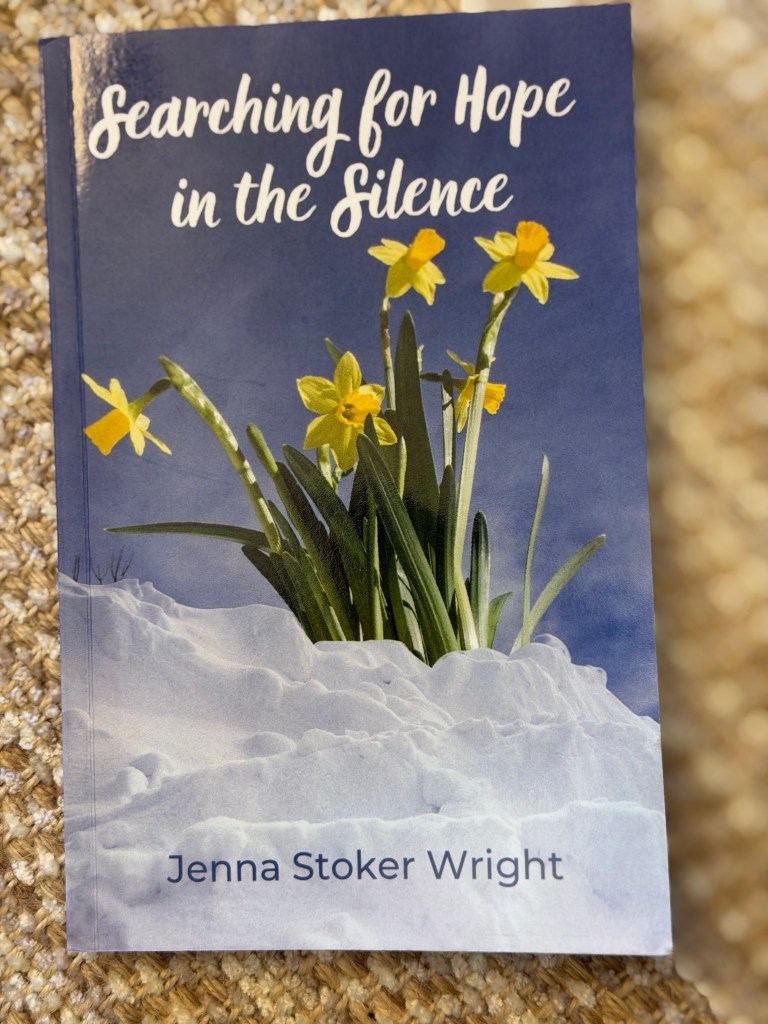
“Searching for Hope in the Silence”–a mother’s journey through loss

Eleven. That’s the number of family and friends of mine who have lost a child. People in my own extended family. My friends. Not acquaintances, not co-workers. My friends. They, along with the fathers of their children, belong to a fraternity no parent wants to join.

That number doesn’t include those who have known the heartache of miscarriage.

That number does not include my friends who have lost a grandchild.

It does include the author of the book Searching for Hope in the Silence, Jenna Stoker Wright. In 1977, she and her husband lost their first child and only daughter to cancer. This book chronicles their short journey of learning about their daughter’s illness, their experiences at St. Jude Children’s Research Hospital in Memphis, and her emotional roller coaster of hope then grief and anger. She is honest about their experiences and honest about her emotions. I would think anyone who has lost a child can relate.

Part two of the book shares her relationship with her mother. A self-proclaimed “Daddy’s girl” (to which I can relate as I was very much a Daddy’s girl), her honesty shines once more in her account of the relationship she and her mother shared and the experiences of her mother’s life that impacted her. Like me, she loved her mother, but also like me, it was her father’s approval she craved and whose influence guided her. But also like me, she can look back now with fresh eyes and understand the positive examples and influence of her mom who gave up a beloved career in nursing to live in a small town and raise their only child.

The third part of the book describes the joy brought to them by their son, born about two years after their daughter. Having another child was not an easy decision since they feared the same fate would befall future children, but doctors reassured them it was highly unlikely. The result was a healthy baby boy who grew to be an intelligent, successful man. A line from this section of the book I am paraphrasing was that eventually the moments of happiness and joy outnumbered the moments of sorrow. The ache of loss, however, never went away and remains with her today.

One of my friends, whose granddaughter was killed in a tragic accident at a young age, once told me that you never get over grief. You just learn to live with it.

This book did make me cry, but it also made me smile. A person of a strong Christian faith, Jenna doesn’t sugarcoat her feelings during the most difficult days. She does, however, share how her faith is what sustained her then and what continues to sustain her now.

Would I recommend this book to someone else who has lost a child? Well, that depends on the person. If you are the kind of person who finds some amount of solace in talking with or reading about others who have experienced something similar to your own journey, I most definitely do. If you are the kind of person who chooses to block all memories of your ordeal, I don’t.

But I do recommend it to everyone else. Too many times we are upset about things that, in the long run, really don’t matter. Reading a book like this can help us be more grounded and put life into a better perspective. Reading a book like this gives a connection to the author and others like her so we are able to sympathize and help in more productive ways.

When her daughter was diagnosed with leukemia, the survival rate was only 10%. Today, the survival rate of childhood leukemia with five-year survival rates of over 90% and for infants with acute leukemia, more than 60%.

When Danny Thomas established St. Jude Children’s Research Hospital, his mission was to eradicate childhood cancer. Thanks to their research and the research of other organizations, that mission is ongoing and showing promise of success. Someone once asked me if the Catholic Church operates St. Jude’s. The answer is “no.” Danny Thomas was a Catholic, and St. Jude is the patron saint of desperate situations and lost causes, symbolizing hope and perseverance in challenging times.

This book does the same.

It is available on Amazon as a paperback and an ebook. If you read it, I hope you appreciate it as much as I do.
My review of the Elvis movie “Epic”

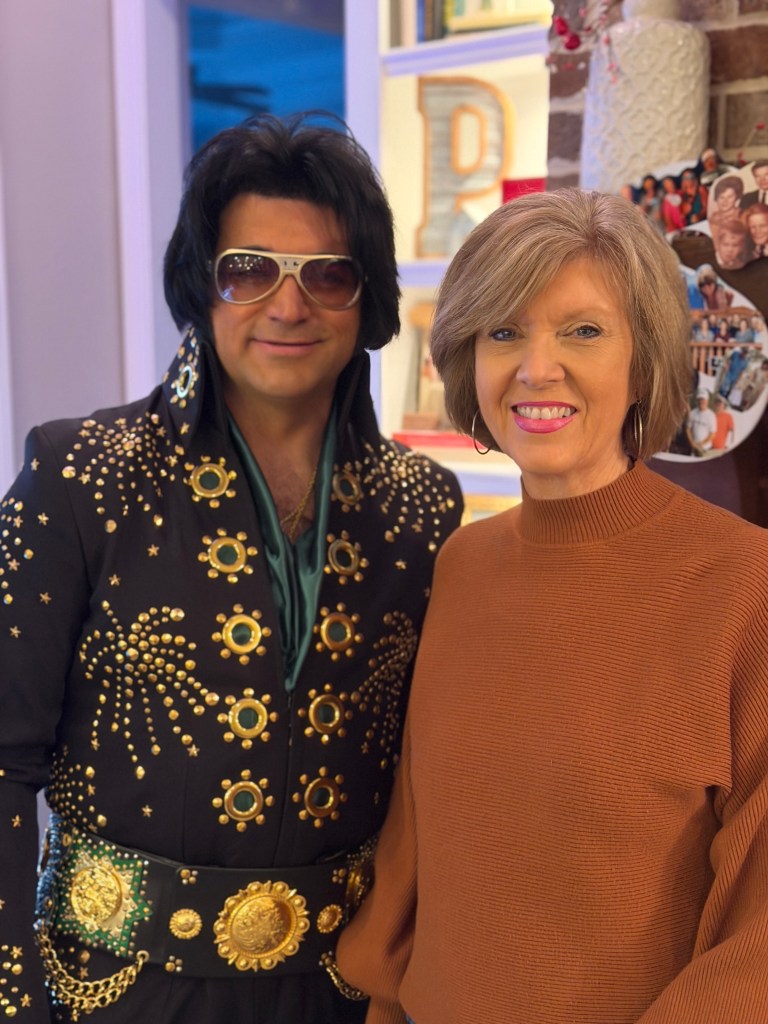
Meet Derek Culver, a Hernando, Mississippi resident who works as a barber in Germantown, Tennessee, and in his spare time does “gigs” as an Elvis Tribute Artist. He sings songs by other entertainers as well–so funny when he sings Willie nelson–but you can tell he is an Elvis fan, even though he was born several years after Elvis passed away.

He had seen the new release Epic, and told me he thought it was great, so great, in fact, he was taking his mother to see it the next day.

So, when my husband learned the movie was going to be at our local theater starting this past Thursday, we knew we had to see it. After all, I am a self-proclaimed Elvis expert who loved him as a singer and entertainer but never wanted to have him as a boyfriend–good grief, he was born 21 years before I was. I just wanted him to be my big brother or at least be in his circle. I think what my childish mind really wanted was to be in his movies as one of those kids he sang to.

Let’s forget about my reasons for liking Elvis while growing up because there is no clear answer, and let’s talk about my impression of the movie that we saw last night.

Baz Luhrmann directed the movie Elvis starring Austin Butler, and while researching, he learned that MGM has archival footage of Elvis in concert in Las Vegas (That’s the Way It Is) and touring the U.S. (Elvis on Tour). He created a movie using a combination of seen-before and never-seen-before footage that was remastered and put together in the typical Luhrmann style.

The result? A movie that is not a documentary, not a biopic, not a concert–well, maybe elements of all three.

Using recorded interviews with Elvis that spanned his first to final years in show business, the viewer hears Elvis telling his own story and sharing his thoughts about his life and career. Scenes and interviews of rehearsals, on-stage performances, home movies, and TV appearances are woven into a story that reveals the lesser-known Elvis, the Elvis who never turned down a fan asking for an autograph, the Elvis determined to give the ticket-buying audience the best show possible, the Elvis who was not too busy or too famous to pay attention to children.

I saw footage I had never seen before, such as Elvis seated on stage in Vegas and playing a guitar while singing various hits, and a couple of songs were new to me. The 100-minute film flew by, and yes, I will have to buy it someday for my personal collection.

I think people who dislike Elvis would not enjoy the movie, just like I wouldn’t be interested in a documentary or biopic about many entertainers, but for Elvis fans and fanatics, it’s a must-see. People who like Elvis okay would enjoy it. They might even come out of the theater as true fans.

Derek told me the movie made him sad because he wished he could have seen him in concert.

Well, I did. May 7, 1975, in Murfreesboro, Tennessee. And guess what? “My” concert is on YouTube in its entirety. They recorded the May 6 and May 7 performances to make an album, but the entire May 7 concert, audio only, can be listened to on YouTube. Just search for Elvis Concert May 7, 1975, in Murfreesboro, and you’ll know you have the correct concert when, after the opening song, he tells an audience member she has her child too close to the speakers. I remember when that happened. He had security relocate her and her little one.

And when you hear those screaming fans in the audience…no, I didn’t scream. I left that up to all the ladies with the teased, hair-sprayed hair that wouldn’t move in a hurricane.

I just sat there and enjoyed. I hope you do, too.

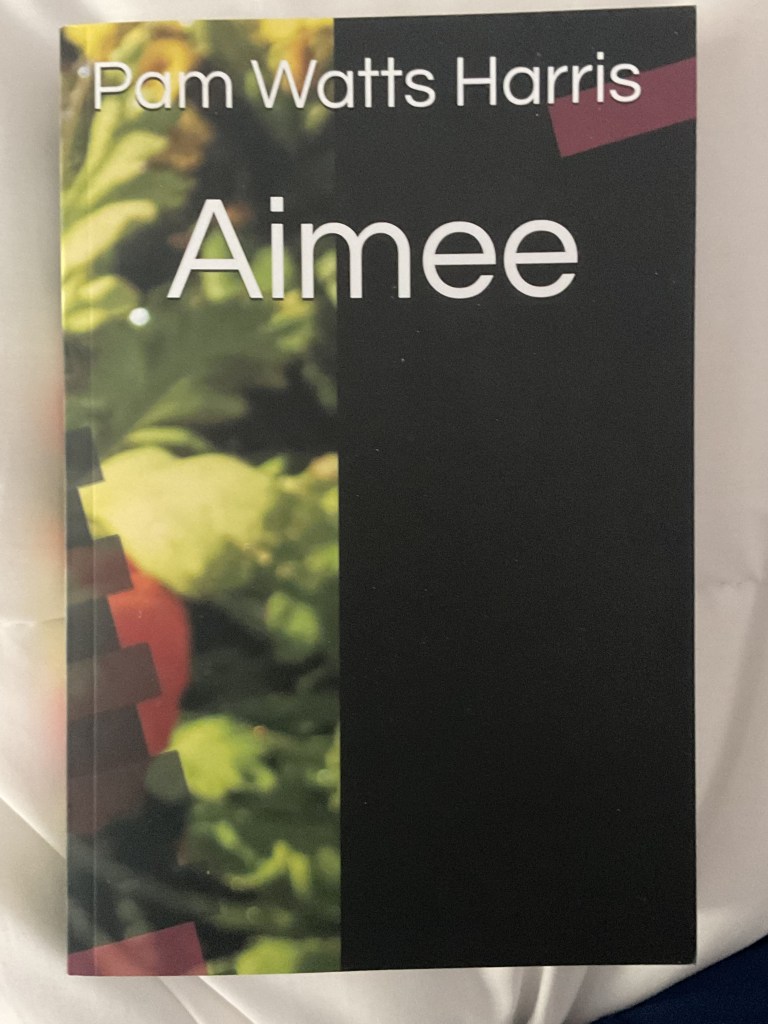
Who should read this book and who shouldn’t

The blurb on the book cover: It is 1895, and Aimee Winters has been forced to leave her home in Tennessee for the wilderness of the Arizona Territory. Homeless following her mother’s death, she travels from Memphis to live with her father, a man she had believed to be dead. While teaching at the small school, she hopes to learn the truth of her past, but primitive living conditions, the reality and fear of many dangers, and Levi Raines, the handsome rancher who seems determined to make her go back East, make her question her decision. As she adapts to doing things “the Arizona way,” she discovers not only the secrets of her past but also the truth of her present.

The background: In 2013, my husband and I took my mother to meet up with my niece and her family and my brother in their vacation home in Strawberry, a small community in the central eastern mountains of Arizona. Strawberry sits at an elevation of 5,800 feet above sea level and is prone to harsh winters. Wildlife like bear, mountain lions, and elk still roam the area. Arizona’s oldest standing schoolhouse sits less than a mile from their vacation home, and it is open to the public at specified times.

I observed my niece and envisioned a 19th Century Amy living in such a harsh but beautiful environment, and when I visited the school, the story was born. Aimee, like my Amy, is tall with long, golden brown curly hair and warm brown eyes. Everything else about Aimee, however, is a composite of various women, including me. There is always some element of truth in fiction writing. I researched the area using a book purchased at the Rim Country Museum in Payson. Because the publishing company I wrote for back then published Christian books, my storyline involved people who were Christians yet also very human. Aimee’s faith is faltering due to her life experiences, something most if not all Christians can relate to.

The original book was published in 2017, but a couple of years ago, I requested the rights back from the publisher, and I revised the book. I made (hopefully) some improvements to the story and polished (in my opinion) the sentence structure and grammar. Then I self-published it on Amazon as an ebook and paperback.

The paperback is in large print. The reason? Many fans of the book are older ladies. They relate to some of the chores that remind them of their growing up years on small farms, and they like the clean storyline that is innocent when compared to most secular books published today.

Kind of like Janette Oke books. You know, When Calls the Heart and themes like that. If you like her books, maybe you’d enjoy mine.

I like to think the story is timeless because it is set in the past. A contemporary book written in the year 2000 seems dated because of no cell phones, no advanced technology, and no social issues that make up modern life. A historical book, on the other hand, is timeless. You can’t go back and change history. Well, I guess in a book you can, but you know what I mean.

I have to admit I loved every moment of writing this book. The characters were and are very real to me. It is almost as though they were my ancestors. Those characters still live in my head.

I’ve considered writing a sequel, but I’m going to leave it alone. Let the reader’s imagination determine what happens to Aimee. Let the reader’s personal beliefs and experiences chart her destiny.

If books by people like Colleen Hoover are your favorites, don’t bother to read this book. If you love Danielle Steele, don’t read this. If Fifty Shades of Gray (I’ve never read it nor have I watched the movie and never plan to do so) is your idea of great reading, leave my book alone. It doesn’t contain what you’re looking for.

But if Hallmark movies and series bring you joy, and if you still like to read books by Laura Ingalls Wilder, and Lisa Wingate (oh, how I wish I could write like her–my favorite author), you might find Aimee to be a good read.

It is my hope you will enjoy reading it as much as I enjoyed writing it.

Our interests and hobbies: nature or nurture?

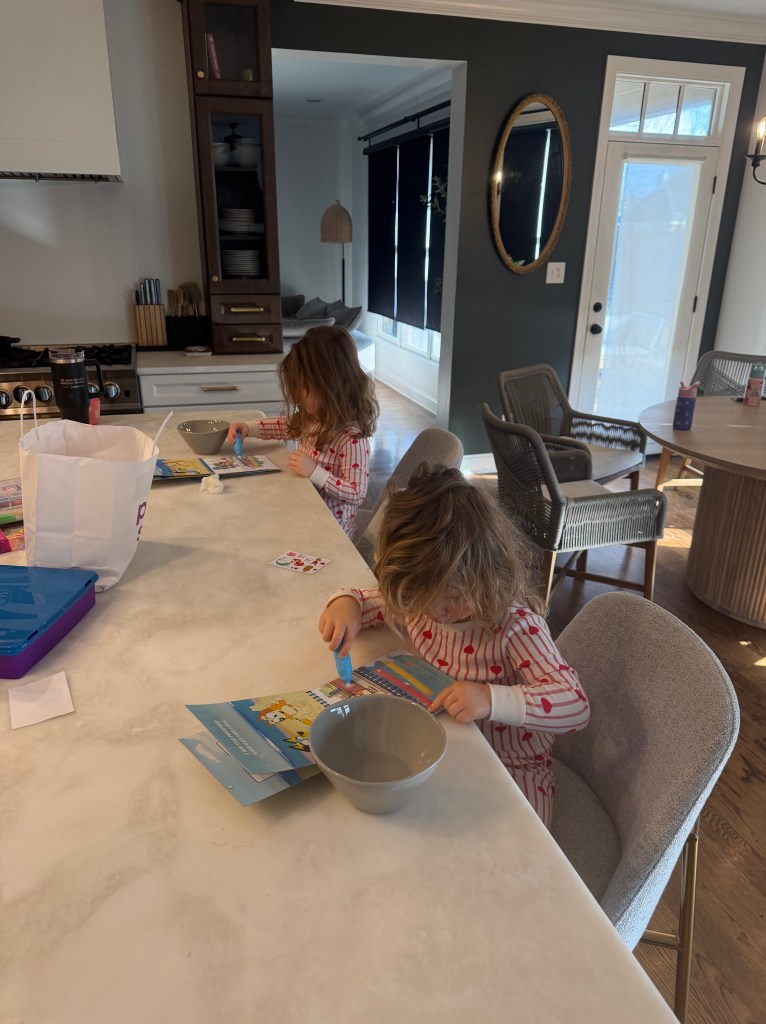
A lazy, rainy morning after-breakfast, before getting dressed, before hair being brushed. The focus? Aqua Art. Paint perfect pictures using nothing more than water and a brush or finger. Allow to dry. The ink disappears, and you can do it all over again. Bluey and Bingo are perfect every time.

Remember what it was like to be focused on an activity? Remember how zoned-in you were to doing it right? Remember how much you enjoyed it?

Somehow, as we grow older, we sometimes allow the worries and problems of our lives to overshadow the simple joys of interests and hobbies. Sometimes we allow those interests and hobbies to occupy too much of our time, to the point of being obsessed or neglectful of those around us. I believe there should be a healthy balance. Having interests outside of work and family can contribute to better mental health as long as those activities aren’t taken too seriously.

I am convinced some of the interests we had as children remain with us throughout our lives. Those interests may manifest in different ways, but the fascination or joy is there.

When I observe my granddaughters, I notice their very different personalities, but I also notice their natural interests and tendencies. I will be very surprised if the oldest doesn’t become a musician or dancer or an actress in school plays–although her shyness may prevent that–and if the other doesn’t become an athlete of some sort. I can also visualize her being into activities like rock climbing, sky diving, and surfing because she is somewhat of a daredevil.

Time will tell.

When I reflect on my own childhood, the constants were (and are) art projects (especially sketching), drama (I was always in school plays), reading, dogs, horses, and, yes, Elvis. We won’t go into that. No, I didn’t want to grow up and marry him. I’m hoping to see the new movie Epic next week, so I’ll blog about the Elvis thing later.

As an adult, the art interest evolved into all kinds of arts and crafts activities. Macramé, cross-stitching, quilting, sewing, oil painting, acrylic painting, and of course, sketching. One of my favorite classes to teach at the local high school was theater arts, and one of my favorite sponsor activities was sponsoring the Drama Club and directing plays. I never “outgrew” that passion.

My husband, who grew up in a family of non-sports people, developed an interest in sports as young as first or second grade when he would actually watch parts of baseball games on television. Not because his dad was watching them or his older brother, because they didn’t watch them. It was an interest he had at a very early age. Football and basketball interests came along later, and he played adult league softball until he was 50. A basketball goal is still firmly fixed beside our driveway, and it still gets used occasionally. To this day, he watches countless sporting events on television, and to say he is a passionate University of Tennessee sports fan is an understatement. He was listening to John Ward (UT fans know that name!) as young as the age of 10. And the first Super Bowl? He watched it. He was eight or nine.

How often have we as parents tried to pique the interests of our children to what we like to do? I was the one steering our sons to sketching while my husband was the one playing baseball and basketball with them as well as coaching their Parks and Recreation teams. I was the one building cabins with Lincoln Logs while he was the one giving instruction on how to shoot a basketball and how to be a better batter.

Yet you know what they both did on their own? They both developed an interest in playing the guitar and piano. They were primarily self-taught, but they did, and do, exceptionally well. As middle-aged men, they still love to play. Not because we taught them or pushed them in that direction, but because they discovered that interest on their own.

In answer to my question in the title, I believe the majority of who we are and what we like to do is innate. Sure, environmental factors come into play. I don’t know if my sons would have had an interest in sketching if I had not encouraged it. I do believe they would have had an interest in sports because it’s the world we live in and also because they’re athletic, but the music thing? Not nurture. Nature.

My husband’s interest in sports? Nature.

My multiple interests? Nature.

I’m sure a psychologist would refute my opinion and give researched-base answers to my question, but I’m going to go along with the nature idea. To me, it’s obvious. No research needed.

Truthfully, it doesn’t matter whether it’s nature or nurture. What matters is the joy brought by pursuing our interests. So to the sports fans, fishermen, hunters, golfers, artists, seamstresses, cooks, musicians, writers, readers, and singers reading this–enjoy!

February is AMD and Low Vision Awareness Month

Imagine a world in which you can no longer drive. You can’t read books, menus, receipts, instructions, or prescription bottles. You can’t see the microwave button. You can’t see your loved ones’ faces, and meeting new people is a challenge since you have no idea what they look like. You can’t see the beauty of autumn colors, nor can you watch television in the way you once did.

This is the life of the 1.49 million Americans diagnosed with late stage age-related macular degeneration. According to the CDC, approximately 20 million Americans have been diagnosed with the condition. Uncontrollable facts that make someone at risk include age (it can begin as early as age 40 but accelerates significantly at the age of 75), family history, and ethnicity. People of European descent are more likely to develop the disease than other ethnic groups.

The controllable risk factors include smoking (someone who smokes is twice as likely to develop AMD), alcoholic consumption (moderate to high consumption increases the risk), a diet high in saturated fats, and lack of exercise.

To understand AMD, it is crucial to understand the biology. The macula is an area of the retina which allows us to have central vision and see detail. The retina is brain tissue, and it contains rods (peripheral vision) and cones (central vision) that are the light receptors that send signals to the brain to allow us to see images.

Dry MD first appears as a sort of smudge in the macular area. This area can spread to the point of losing all central vision in one or both eyes. Research has discovered that taking AReds2 supplements can slow the progression of the disease in addition to eating a healthy diet consisting of leafy, dark green vegetables, colorful vegetables, lean proteins, and limiting or eliminating alcohol as well as quitting smoking.

Wet MD is a condition in which blood vessels form behind the retina and leak blood, causing permanent damage to that part of the retina. This condition is treated with injections of medicines like Avastin, Lucentis, Eyelet, and others to seal the blood vessel and prevent further spread and damage. Don’t confuse the leak with bloodshot eyes. You cannot see the leak from the outside. It can only be detected with specialized equipment.

Warning signs of a leak include seeing wavy or crooked lines, seeing stationary dark spots (not floaters), and blurry vision. You should see an optometrist or ophthalmologist immediately if you notice these changes in vision.

AMD seldom if ever results in total vision loss. Eighty-five to 90 percent of people considered legally blind have some light perception and vision. Most people misunderstand what legal blindness is. If you cannot see the large “E” on the Snellen chart without glasses but can do so while wearing them, you are not legally blind. Legal blindness cannot be corrected.

Although there are other causes of legal blindness like glaucoma, diabetic retinopathy, cornea problems, and other health conditions or accidents, AMD is the leading cause of blindness in adults 65 and older. Experts recommend an annual eye exam for everyone 65 and older to enable early detection of this disease.

The bad news is AMD is on the increase because of an aging population. The good news is there are aids and strategies for those who are losing their sight. I will share some of those strategies next week.

Sources used for this article: The American Macular Degeneration Foundation and the Foundation Fighting Blindness

Life in a Small(er) Town –what makes Martin special

Aren’t these two just too cute for words? Yes, that’s the grandmother in me talking. But I’m right. Aren’t I?

Once again, you may be wondering what this photo has to do with my topic. Bear with me while I sort out my thoughts.

First, let me clarify. I do not hate the idea of living in a city or suburb of a city. There are positives and negatives to any place. Because traffic doesn’t bother me, city traffic is no big deal. Because I like having multiple activities from which to choose, that’s a plus to metropolitan life. No doubt the shopping is better, but it seems that most younger people do online shopping more than in-person shopping, and with malls disappearing…well, it’s just not the same.

But I’ve never lived in a large city. The largest town I lived in had a population of maybe 40,000. I think Martin has a population of about 11,000. So, really, I’m not qualified to extol the virtues of city living because I’ve never experienced it.

The positives of small town life are numerous. Safety, for one. True, we’ve had some tragedies over the years, but thankfully, they are infrequent. Less traffic is a plus, although plenty of locals get frustrated with the small amount of traffic we have at the by-pass intersection near McDonald’s. Another positive is the fact our circle of acquaintances and friends is much wider than it would be in a city. While some may love the anonymity of city life, I like seeing friends and acquaintances on a regular basis.

The obvious factor that makes Martin unique is the university. Unlike other small towns in our state, the university brings us cultural diversity and opportunities for recreation and entertainment. The Rec Center on campus is available to alumni and/or their spouses for the small fee of $35 a month. My husband goes there to play Pickleball, but the basketball courts, running track, weights, and other offerings make it a great option. And think of all the offerings in sports–football, basketball, baseball, softball, volleyball, and maybe some others. Oh, tennis, right? It’s a shame the pool is no longer open. As a college student and for many years while raising my boys, I used that pool a lot. Musical events, plays, special speakers…the list goes on.

Another factor is the schools. This applies to all of Weakley County, not just Martin. From an academic perspective, parents can feel good about sending their children to school in Martin, Sharon, Greenfield, Dresden, or Gleason. The district ranks high in the state. There is no need to send your child to a private school, unless there are other reasons to do so such as religious reasons or socialization issues for your child.

We have a local hospital, but if you prefer the Baptist Health system, those options are just a ten-minute drive away. You’d be farther away than that if you lived in a big city.

Retirees can find affordable housing, lower taxes and insurance, and adequate medical care. We are an hour from Jackson and an hour from Paducah if needed. By the way, Paducah’s Carson Center has all kinds of entertainment offerings (we saw Chicago there several years ago as well as The Beach Boys, Bill Engvall, Martina McBride, and more) and great shopping. Have I mentioned Hobby Lobby is my personal candy store???

We have great locally owned restaurants and shops. Blake’s has been featured in Southern Living, and people come from all over to eat at The Grind. Crave is another favorite (oh, their protein bowls, wraps, pizza…) as well as The Martin Coffeehouse, Higher Ground, Vantage Roasters, and maybe a place I haven’t thought of.

And have I mentioned there is a Chick Fil A on campus? Not one with a full menu (I love those minis made with small rolls and their yogurt parfait but have never tried to order them there).

I could go on and on. Multiple golf courses in the area. The Wellness Center, Dynamic, and other fitness venues. Kentucky Lake isn’t that far away. Reelfoot Lake is popular with duck hunters and fishermen.

Martin is not perfect. It has limited opportunities for college graduates of certain disciplines. Knowing a lot of people can be a mixed bag of good and bad because the sin of gossip and people knowing too much of your personal business is a reality. Yet those same people are there with the casseroles, the hugs, and the expressions of sympathy in times of trouble. They’re there to celebrate in times of joy.

I’m the kind of person who could have lived in cities of any size and thrived. I’m adaptable. But I’ve also thrived living here. Sometimes I’ve been blind to the opportunities, and that’s on me. Sometimes I’ve complained about living here, (well, more than sometimes), but that is because of some personal situations and relationships I will not share.

As I wrap this up, I’m smiling to myself because I know that when I share this on Facebook, most people will not read the blog. They’ll see the photo of my sweet granddaughters and make a comment about them, but thry won’t read this far to find out why I posted it. So, for those of you who are actually reading this, I will explain.

My paternal ancestors were in Weakley County as far back as 1840. My mother, who would be 98 this year if she were still alive, went to Martin High School. My dad was raised in the Dresden area. This town and this county represent my heritage. That may not be important to some, but it is to me.

I want my granddaughters to get to know this place. I want them to spend time with us and experience some of the things I’ve mentioned. When they grow up, I want them to look back with fondness on the times they spent with Gigi and Papa in a town very different from the city where they live. I know they have the advantages of multiple places to go like the zoo, a children’s museum, and other places, but I hope they will find the simple offerings we have here to be a fun diversion from the usual.

Maybe I’m romanticizing small town life a bit (think Hallmark movies, right?), but that’s okay. Each one of us has to find the path that is right for us. And while I didn’t necessarily choose my path as much as it just happened, I am where I need to be.

Learning to let go

I’ll explain the photo later in this post.

It took me a while–years, in fact–to learn how to let go of things I can’t control. That’s not to say I don’t have momentary lapses, but for the most part, I’ve done so.

The benefits? Better sleep. A calmer spirit. An improved spiritual life. Translated: better mental health.

You may be wondering how I’ve managed to do this, but before I explain, I’ll list the things I’ve had to learn to let go.

Goals: the goals I had as a 21-year-old didn’t happen

Control: control of my family members, control of all my health concerns, control of whatever is not really in my control

Dreams: We all have had dreams, whether we realize it or not. Your dream might have been as lofty as becoming a professional athlete, singer, or other celebrity or something more normal like finding the perfect mate, but I have to admit my dreams fell somewhere in between the extremes.

Grief: If we live long enough, we all experience grief. If I continue to live, there is no doubt I will endure it again. So when I say I’ve learned to let it go, that doesn’t mean I don’t have my moments. But I don’t allow myself to stay in it.

Maybe none of the above strike a chord within you, and if so, you are either very fortunate or blind to your own issues. I’ll use my mother as an example. Bless her, she was a worrier. She worried about her children and grandchildren constantly as well as her own security issues. She worried about her health. She feared someone was going to break into their house–from her youth she was that way. She feared germs. Truly. Way before Covid. “I don’t worry,” she used to say. “I’m just cautious.” The rest of us could see the truth. She couldn’t.

It’s possible you’re like my mom in some way. It’s also possible you have been blessed with the innate ability to let things go. tMost of us, though, are either a variation of my mother.

Now for the secret to letting go of the disappointments, heartbreaks, longings, and desire to control things beyond my control: prayer.

Before you stop reading at this point because you think I’ve given a cliché religious answer, let me explainIf. I hope you’ll find something helpful.

You remember the Serenity Prayer that was popular many years ago. I pray it. And I mean it. I’ve blogged about it before. To refresh your memory, here’s my variation of it: Dear God, give me the serenity to accept the things I can’t change, the courage or strength to change the things I can, and the wisdom to know the different.”Let’s think about the “wisdom” part. That’s a rough one since most of us wonder if we have the wisdom. And, to be honest, some of you reading this are afraid of change, so you won’t even try.

But we can all agree we can’t change the past. Maybe we regret a career decision but at the age of 55, we feel stuck. Guess what, the truth is we likely are. That doesn’t mean you can’t explore possibilities, but in this youth-oriented, youth-focused culture we live in, chances of finding your dream job are slim. That doesn’t mean you shouldn’t try. Just accept it if it doesn’t happen, you can still make the best of things.

I have stopped expecting people to be a certain way. I pray about my family members, but as far as trying to change them in some way, no. I accept them for who they are, love them, and let it go. I may be disappointed in choices they make or attitudes they have, but that is on them. I can’t control them.

Years ago, I flew quite a bit then had a scary experience that kept me from flying for many years. Actually, 41 years! In 2023, I flew again and felt so stupid for depriving myself of travel experiences for so long. Since that time, we’ve flown a couple of more trips, and I just pray for safety, get on the plane, and don’t worry about it. Fear kept me from living my best life.

Which brings me to my next point. I became legally blind in 2020. That condition continues to decline. So the regret over desired trips not taken is magnified by the fact that now that my fear is gone, my vision is gone to the point I can’t see beautiful scenery or experience new places in the same ways I once did. True, I use my peripheral vision, but no one has 20/20 peripheral vision, and I’m losing peripheral vision as well so…it’s just not the same. I’ve learned not to live in that regret. I have to let it go, and just make the most of now. I have no doubt in five years I’ll be wishing I had the amount of vision I have today (it’s a lot worse now than it was in 2020), so I don’t dwell on the past, don’t worry about the future, and focus on appreciating the present.

How do you let go of grief? First, give it time. It’s not going to happen quickly. It may take years. But keep trying. A friend once told me you never get over grief, you just learn to live with it. Support groups, volunteer work, serving others–find what works for you. And pray for strength to accept it.

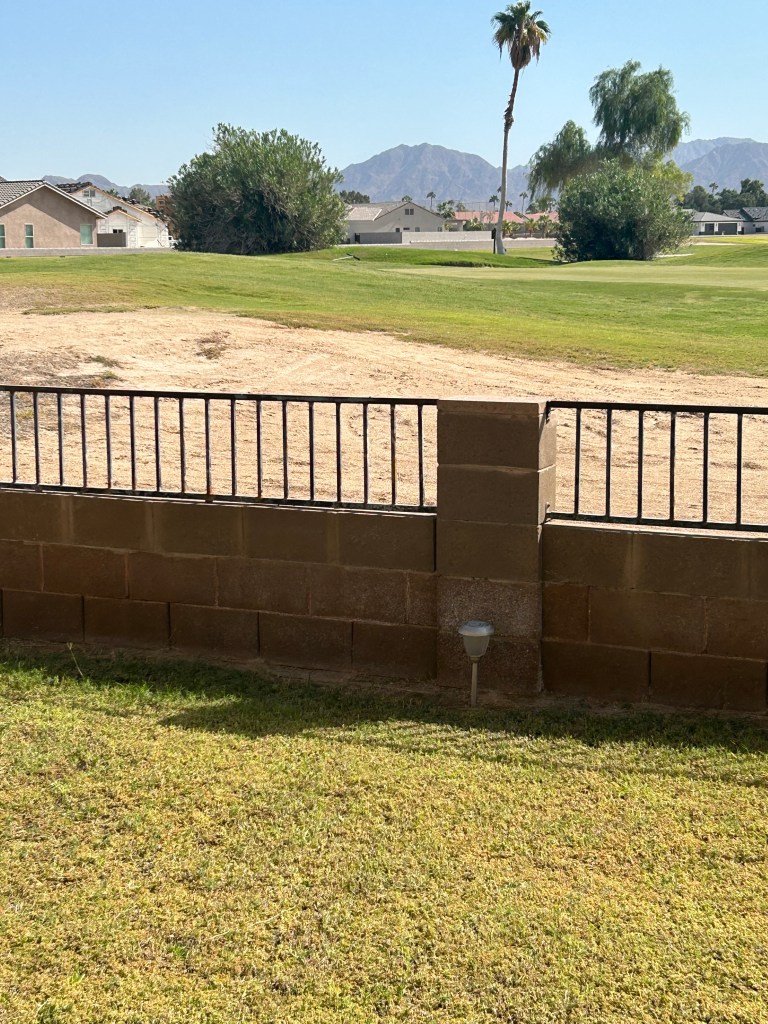
I said I would explain the photo and how it relates to this topic. This was taken in Yuma, Arizona, on the back patio of a relative’s house. I grew up seeing those mountains on a regular basis and crossing them multiple times when we headed back to Tennessee for trips to see the relatives here. When we left Tennessee and made the long trip back to Yuma, seeing those mountains made me happy because I knew we were almost home.

When my parents moved us back to Tennessee, it was hard for me to appreciate my new home. I missed the familiarity of my house, my neighborhood, my church family, my friends. I pleaded with my parents constantly to move back to Arizona where my brother and his family were. I spent far too many years of my adulthood longing to go back there to live.

I accept now that it was not meant to be for many reasons, and I accept that sometimes our personal wants must be sacrificed for the good of others. All too often, our personal prayers are selfish ones. We want what we want, not what our loved ones want or need. And my personality is the type that can’t push hard for what I want because I can’t be happy if the people I love aren’t happy. That’s just the way I am.

But back to letting go–it’s a wonderful feeling. It took me years to achieve it, and I haven’t reached perfection. I’m trying, though.

God, grant me the serenity to accept the things I cannot change, the strength to change what I can, and the wisdom to know the difference. Amen.

A visit from a cardinal–which loved one is visiting us?

It’s cold here!! The wind chill is currently 0 degrees with an actual temperature of 12. I think the high wind chill is supposed to be 1 today, so guess who’s not planning to go outside?

Whenever it is extremely cold or extremely hot, I am always grateful I live in modern times with modern conveniences and that I am in a financial situation that allows me to have these comforts. My heart goes out to those who are not as fortunate, and I can’t imagine what so many are dealing with right now.

Aside from the dangers that come with extreme temperatures, whether high or low, I will admit I do love the four seasons. I know many would rather live where it is a perfect temperature all year round, I often say that’s why San Diego is so crowded. But, for me, I think that would get old.

Why do I feel this way? Well, if you know anything about me, you know I love change and hate routine. I can handle routine for a while, and then I need a break. Variety truly is the spice of life for me, and I am adaptable for the mosts part in any situation. It’s getting a little more challenging the older I get, but that inner restlessness is always there. I blame it on my growing up years when my family moved frequently. By the end of sixth grade, I had attended six different schools. That is a topic I addressed in a previous blog.

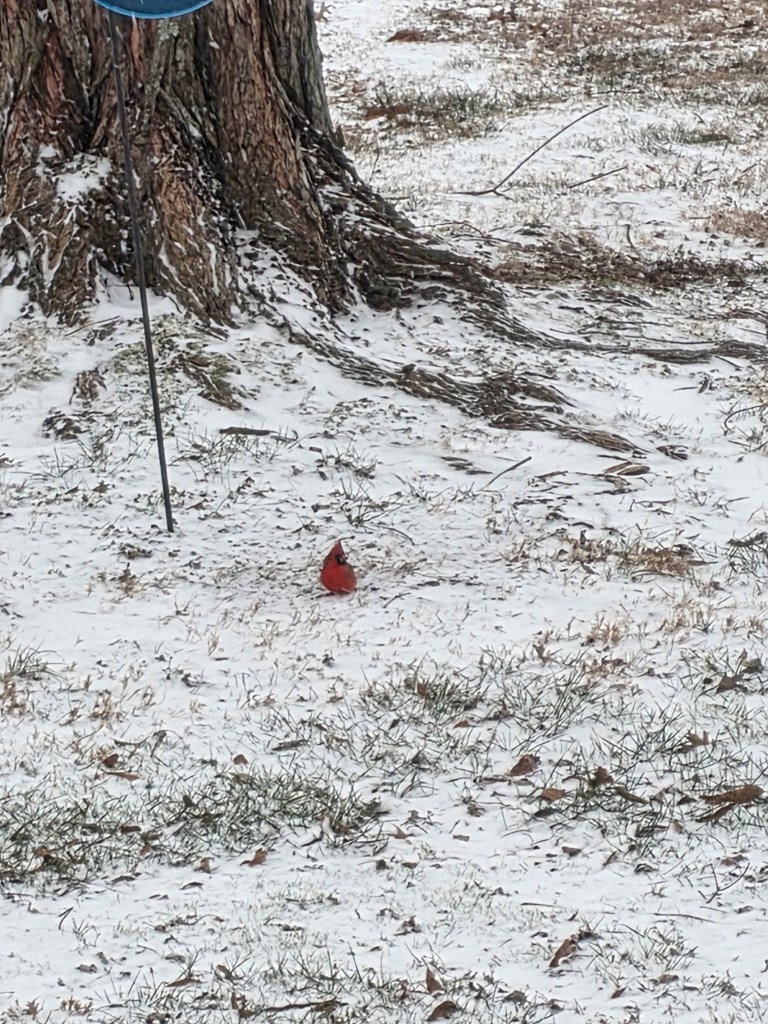
This morning, a cardinal discovered our bird feeder and was brave enough to come on our front porch. We have six-feet tall windows, and the cardinal was just inches from the base of one.

Folklore says a cardinal appearing is a sign someone you love who has passed is visiting you. Of course, I don’t believe that, but I’m thinking about it this morning. Let’s just pretend it is true. Is the cardinal my husband’s mom or dad or my mom or dad? Is it my brother?

The truth is, I don’t need a cardinal to think about my loved ones. They are ever present in my subconscious and conscious thoughts. They are in my dreams occasionally. “Dad would love Draco,” I think when petting our dog. Dad loved dogs and nature in general. He adored our dog Sable who passed away in 2010. “Mom would have loved having a smart phone so she could take all the pictures she wanted,” I remark. Mom always had the camera ready. “Doris was the best cook,” referring to my sweet mother-in-law’s creations. She really was the best cook. “Your dad could keep the straightest face while telling a story,” I might say to my husband when we’re laughing about one of the many times he told something that was not true. Like when he broke a bone from a fall while washing his car and people kept asking him about it, so he started telling them he broke it jumping out of an airplane. Or how he told people his two sons were by his first wife. Totally true because he only had one wife! The truth always came out, but it was still hilarious watching him do his thing.

As for the brother I remember, it’s the 11-year-old boy holding me when I was burning up with fever due to one of my frequent ear infections. It’s the young man I idolized, the young man he was before a tragedy changed him. I like to think that young man was always deep inside of him, and I did see glimpses of it at times. Those glimpses gave me some solace.

I don’t need the appearance of a cardinal to remind me of them, but today it did.

I’m not the type to go to the cemetery a lot and look at their graves. The reason I don’t is because I know they are not there. Their decomposing bodies are no more than an article of clothing left behind. What I do is remember them. Some memories make me laugh. Some make me cry. But the way they continue to live on this earth is in my heart.

The best way to honor our loved ones who have passed? The way that reflects your personal convictions. Frequent changes of flowers on the headstone? That’s fine. Posting memories on Facebook? That’s fine. Talking with others about them? Of course. Looking at old photos and videos? Sure.

The important thing is to remember. Not because of a cardinal who appeared in your yard or on your porch, but because if you truly loved the special people in your life, you can never forget them.

Why these ladies make me smile

It all started with a program I did about Elvis.

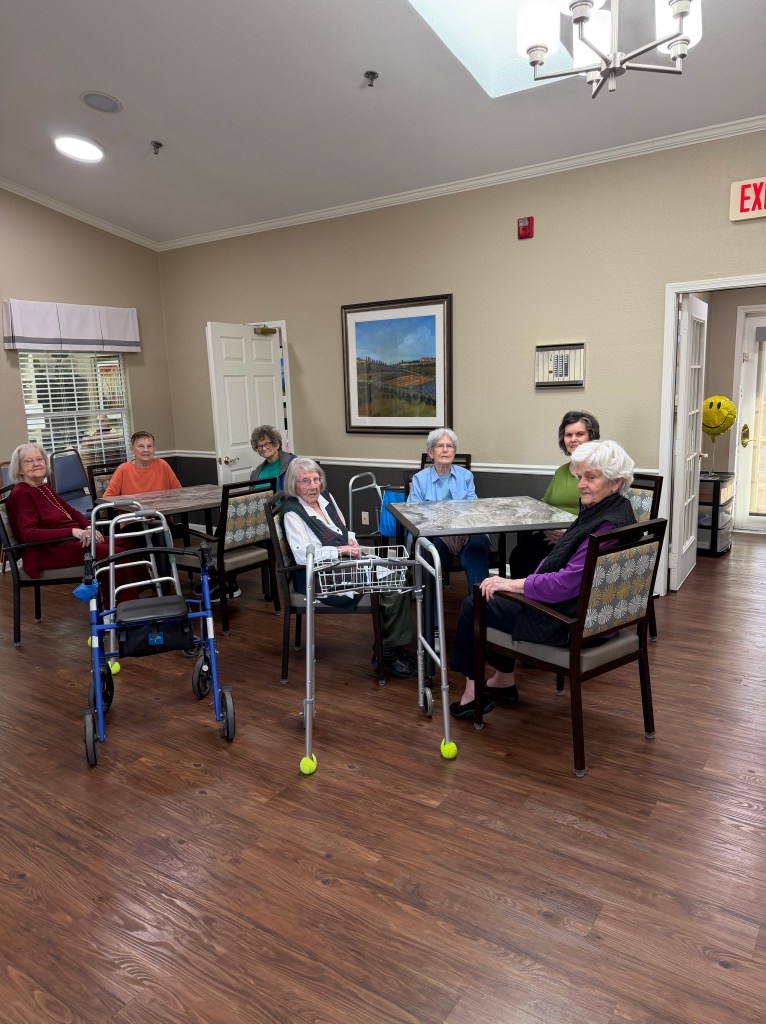
I have volunteered to speak to civic groups about various topics, mainly because I love to share information and because I am always looking for something to do to fill the hours, so I reached out to the assisted living facility last year to see if I could do a program of some sort for the residents. The activities director and I discussed it and decided on a program about Elvis since I am somewhat of an Elvis expert.

The room was packed, men and women. We played an Elvis trivia game (multiple choice), I answered questions, and some talked about their reaction to him when he became famous. I told them my personal stories (my friendship with Elvis’s nurse, how I met George Klein, my interview with Gordon Stoker of The Jordanaires–if you’re an Elvis fan you know whom I’m talking about, and if you’re not, you can look them up).

That event led to regular monthly programs. I talked about vision loss. I did a presentation about Pat Summitt. I’ve shared about books. The number has dwindled to about ten each time, but that’s okay.

Last week, I took some of my sewing projects, and it sparked a conversation about their sewing experiences. I took my old Barbie dolls (yes, I still have them) so they could see some of the clothes my Aunt Hilde had made. We played a trivia game (two teams, multiple choice for the answers) about general topics.

A side note: Because I can no longer drive, my friend Donna drove me to most of these meetings. I’ve now re-scheduled the meetings to a different day when my husband is available to drive me. Donna, I appreciate you so much!

Back to the point of this blog. My original intent was to talk about things I love and to fill my time with something to do. But now it is much more than that. I’m enjoying listening to their personal stories and laughing with them when somebody says something funny. I’m reminded of my own aging process and how I hope if I live to be in my eighties or nineties that someone will care enough about me, wherever I may live, to spend some time with me and brighten my day.

Next month, I’m going to create a playlist on YouTube of songs from their era, and I asked them which artists they liked. “Anything from the 1950s,” one woman said. “Elvis,” said another. “How about The Beach Boys?” I asked. “Their music makes me want to get up and move, so we can all dance!” They laughed at that.

When I visit them on Feb. 10, I will have a playlist ready to mirror on the TV in the meeting room. One of the ladies, who is legally blind due to macular degeneration, will not be able to see it, but she’ll enjoy the music. One of the ladies is often confused and not able to communicate that well, but music is the universal communicator. Several have some hearing loss, so I’ll crank up the volume. That may bring us a bigger crowd.

Inside each one of those women is a young woman who once loved to skate, to ride a bike, to go out with friends, to spend time with family. I know because a younger woman lives inside of me along with the maturity and wisdom gained through the years. And there’s nothing that takes me back to that young woman like music from “my era.”

So, we’ll enjoy music. And maybe, just maybe, we will get up and dance.

The wisdom gained with age

When I was growing up, I had three dreams that lasted well into adulthood: I wanted a dog (my parents wouldn’t allow me to have one), I wanted to own a ranch someday, and I wanted to be a writer.

Pretty simple, right? I didn’t have dreams of being a famous model or actress (well, I did for a short time like a lot of girls in middle school), and no doubt my dream of owning a ranch someday was totally unrealistic due to the fact my family did not own land nor did we own horses, but that didn’t change the fact that I loved the idea of it. No wonder I loved Janet Dailey’s Calder series.

In adulthood, our family has had two dogs, sweet Sable and our current dog Draco (the shelter had already given him that name and when we got him at seven months old, that’s what he responded to), and my joke is that with him I got a horse-dog because of his size. He’ll be five next month. All 70 pounds of him.

I never got the ranch, nor did I even spend time at a dude ranch at any point, something I regret. I don’t want to go now because I don’t want to chance getting hurt on a horse, but I loved the opportunities I had of riding horses belonging to friends or paying to ride at public stables.

As for the writing…well, you see how that is playing out. Not a best-selling author and not huge sales, but with the technology we have today, I am able to continue that passion. I love to write, whether fiction or non-fiction. And while I would love to make some money at it, I’m okay with just doing it because it’s something I love to do.

It’s like you sports people, those of you who grew up playing sports. Maybe you aspired to be good enough to get a scholarship to college or even to go straight from high school to a professional baseball team, but the high number of would-be professional athletes is tiny compared to the number of college athletes. Some who aspire to greatness achieve it. Others indulge in their love of sports by coaching or being passionate fans.

We all pursue what interests us.

There aren’t many perks to being “a certain age,” but one perk, in my opinion, is being able to look back on my life and realize that it’s okay to have achieved just one of those three childhood dreams–the dog thing. Have I mentioned I love dogs? And our oldest son is a dog magnet. They sense his attitude toward them.

But that ranch dream…unless I could have been wealthy enough to pay lots of hired hands, it would have been a grueling seven-days-a-week obligation. No rips to the beach. No trips anywhere. The vet bills, the reality of mucking out stalls and cleaning hooves and the ongoing expense…I’m glad that dream was never realized.

I know I’ll never be a best-selling author for many reasons, but if just a few people read what I write and enjoy it, I’m good with that. I always have story ideas spinning in my mind, so maybe one day I’ll be able to achieve some real success in that endeavor. To me, there are no negatives about writing. I love the whole process, including re-writing and editing and meeting deadlines for the publisher.

Maybe you can relate. Maybe your childhood dreams dissipated like the early morning fog as the sun comes up, and maybe you’ve found other ways to pursue your interests. And for the few who achieved their childhood dreams, I have this question: Was it what you had hoped it would be?

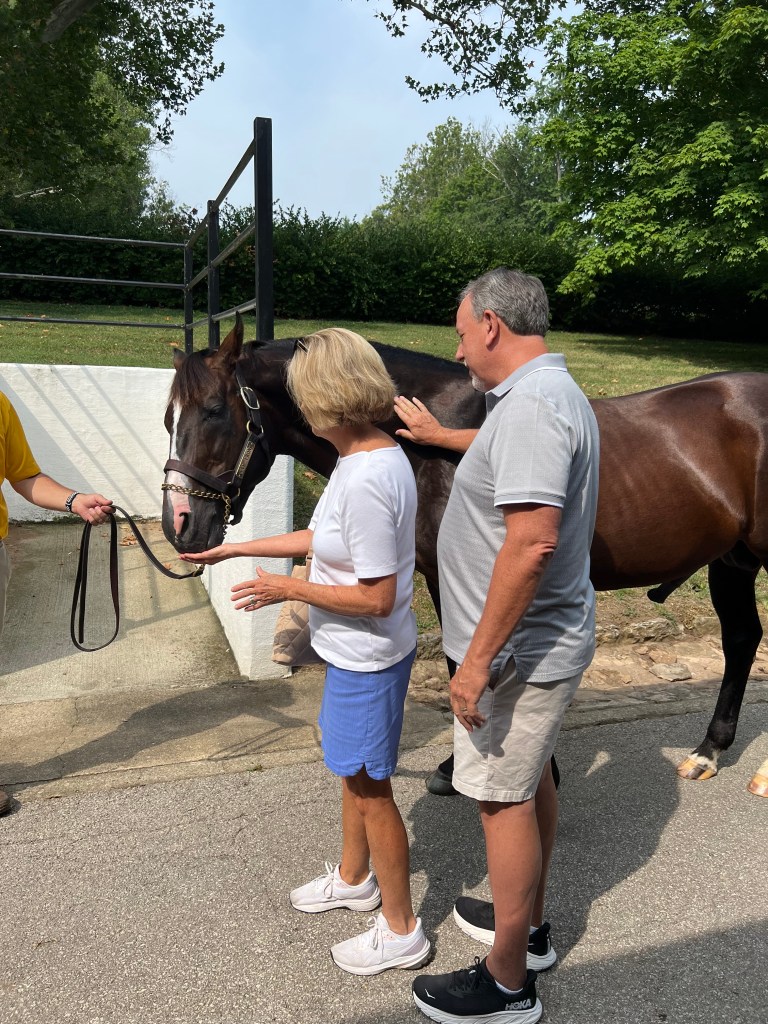
You may be wondering about the horse in the picture. This is the photo for my Facebook profile, and it was taken in July of 2024 when another couple and my husband and I did a quick trip to Lexington, Kentucky, where we toured a racehorse breeding farm. Claiborne Farms in Paris, Kentucky. The guided tour was about an hour long, and it was fascinating.

I fed a peppermint to two of the horses. This particular horse is worth–brace yourself–$85 million. That’s right, $85 million. The other horse? A mere $11 million. I doubt the quarter horses I planned to have on my dream ranch would have been worth anything close to that. And no matter how you feel about horse racing, you have to admit those animals are beautiful.

Wisdom gained as we age is a blessing. It helps us to appreciate what we have instead of what we don’t. It helps us to accept compromise and change. And it gives the ability to have peace and acceptance of whatever our situation may be, not to mention the joy we have in enjoying the adjusted versions of our goals and dreams.