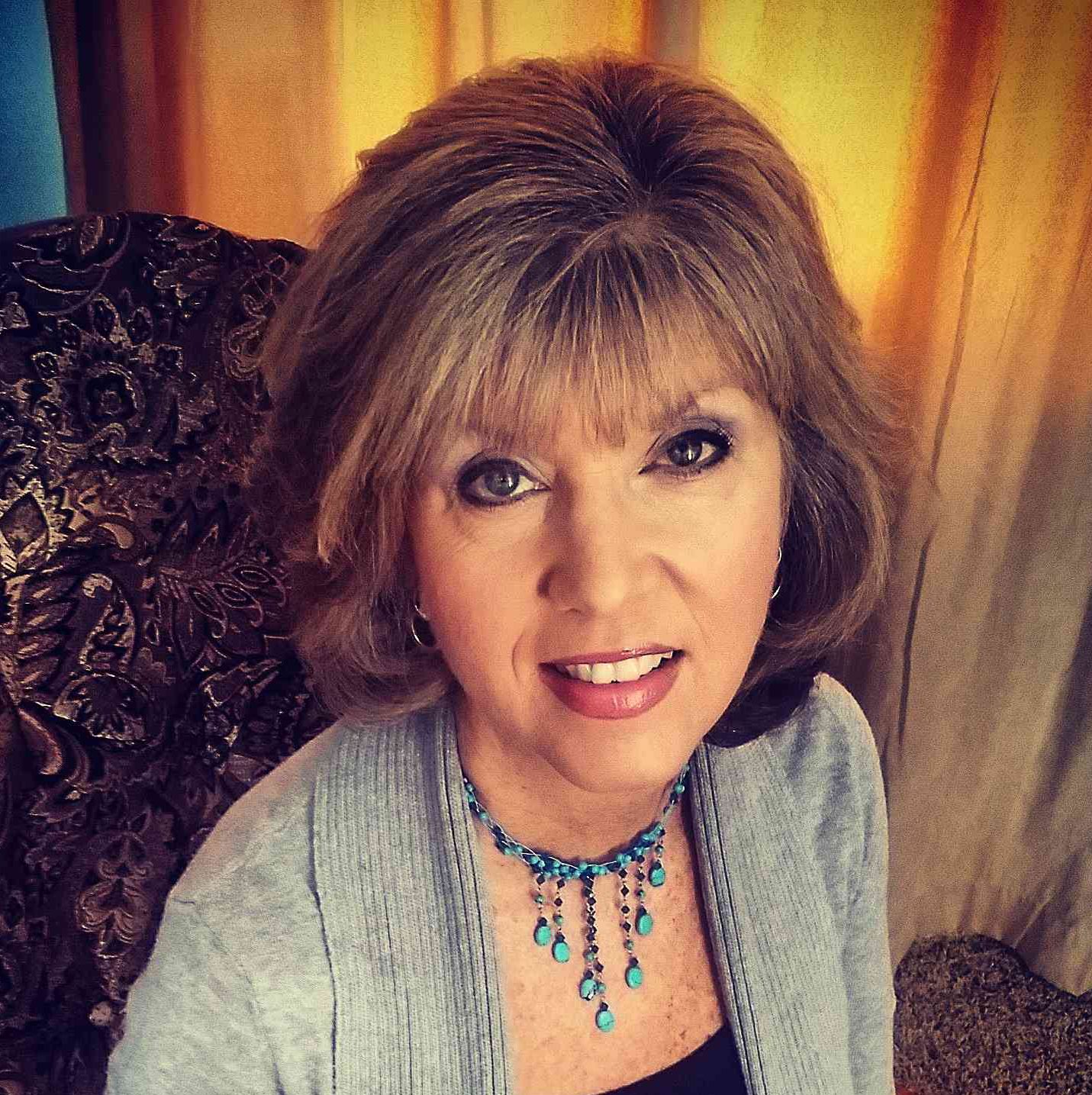

Once again, the photo doesn’t seem to match the title of my blog, but bear with me. I’ll explain.
A fitness/health expert with multiple degrees and certifications recently spoke to one of the civic groups of which I am a member, and this statement shocked me. “Loneliness,” she said, “is as harmful to your health as smoking 15 cigarettes a day.” She explained the research that backed this up, but I am still amazed.
I know some people prefer being alone, and likely they are perfectly happy spending most of their hours alone. But loneliness can affect anybody at any age in any circumstance.
The wife or husband whose spouse is not the companion they hoped for, whose distant demeanor or even abusive treatment creates a sense of isolation. The elderly shut-in who has no family to come visit and no friends who seem to care or whose friends have already passed away or in the same shut-in situation they are. The young single whose friends have all married and are living their lives with jobs and raising children.
When I was working and raising my family, there were times I dreamed of just a day to myself. There were times I suffered from what I called “people pollution” and wanted nothing more than time away from the crowds. I’m sure many have felt the same.
Loneliness, though, is as much a state of mind as it is a circumstance. We’ve heard the saying that someone can be lonely in a crowd, and that’s true. And being alone doesn’t always equal loneliness.
Those of you who read my blogs regularly know I’m always advocating for people to reach out to shut-ins. If that person is content with the situation, there is no need to push him or her to get out or make phone calls. Just give them a book to read or a remote they can operate, and they may be perfectly fine. Others, however, may need visits, outings, and phone calls to alleviate the loneliness they experience each day. That’s why I advocate and remind all of us to keep those people in mind and actually DO something to help them.
But let’s say you’re lonely. Maybe you’re divorced, widowed, never married, or in a bad marriage that you remain in for personal reasons. What do you do?
First, seek groups you can join. Sign up for fitness classes, art classes, and volunteer organizations. If you’re a person of faith but have neglected attending corporate worship services, find a church and attend long enough to get to know some of the people. Participate in some of the activities available instead of being simply a pew warmer. ” Obviously, I am referring to Christian faiths, but the same idea applies to any religion.
Be the instigator of social events. Invite people into your home, but if that doesn’t work for you, invite people to join you for lunch or outings. Invite someone to participate in one of your hobbies–playing golf, pickleball, tennis, etc.
In my town, our Friends of the Library group is active and involved, and I’ve gotten to know people outside of my normal circles. I’m active in our local retired teachers association. I’m in three other civic groups (invited to join) that, at first, were foreign to me, but as time went on, I began to feel like a part of the group as I strengthened acquaintances into friends and met new people.
Side note: (you know I always have a side note) For the visually impaired, meeting new people is especially challenging because we can’t see what you look like. It takes time for us to learn your voice and body type (tall, short, etc.). That means we may know you in a specific situation–as in a group meeting–but we have no idea who you are in a restaurant or some other public place. So, we do one of two things. We pretend we know who you are until you say something that clicks with us, or we do as I usually do and ask, “Who am I looking at?” If you see us out and about, it’s very helpful to say, “Hi, Pam, it’s Jean, Jones, how are you today?” I’ll eventually recognize you. Oh, another side note: If my husband is with me and sees someone he realizes I know, he says in a low voice, “Jean Jones is coming our way,” and I’ll say, “Hi, Jean!” as she gets near us.
Okay, back to my topic. I think one reason I found this statistic to be so impactful is because I talk with, by phone, several older women with vision loss who are living in loneliness. They’re sad, depressed, and discouraged, yet they’re trying so hard to be upbeat. One lives near Nashville. Another lives in Maryville. Another lives in Virginia. They are always thrilled to get a phone call. One of them told me when I called that she hadn’t talked to anyone in several days. She has mobility issues and is completely blind in one eye with glaucoma affecting her vision badly in the other. A nearby family takes her to church services each Sunday morning, but I know she would love it if her granddaughter would bring the great-grandchild over every now and then or if some of those church members would visit or include her in activities.
If you know someone like that, please consider reaching out. If you are one of the lonely and have the means to get out and about, do it! If you have the health and ability to drive, your choices are wide open. You just have to look for the opportunities.
The cure for loneliness is to get out of your comfort zone. You can’t expect to keep living the same way and for things to change. You have to find the courage to change them.
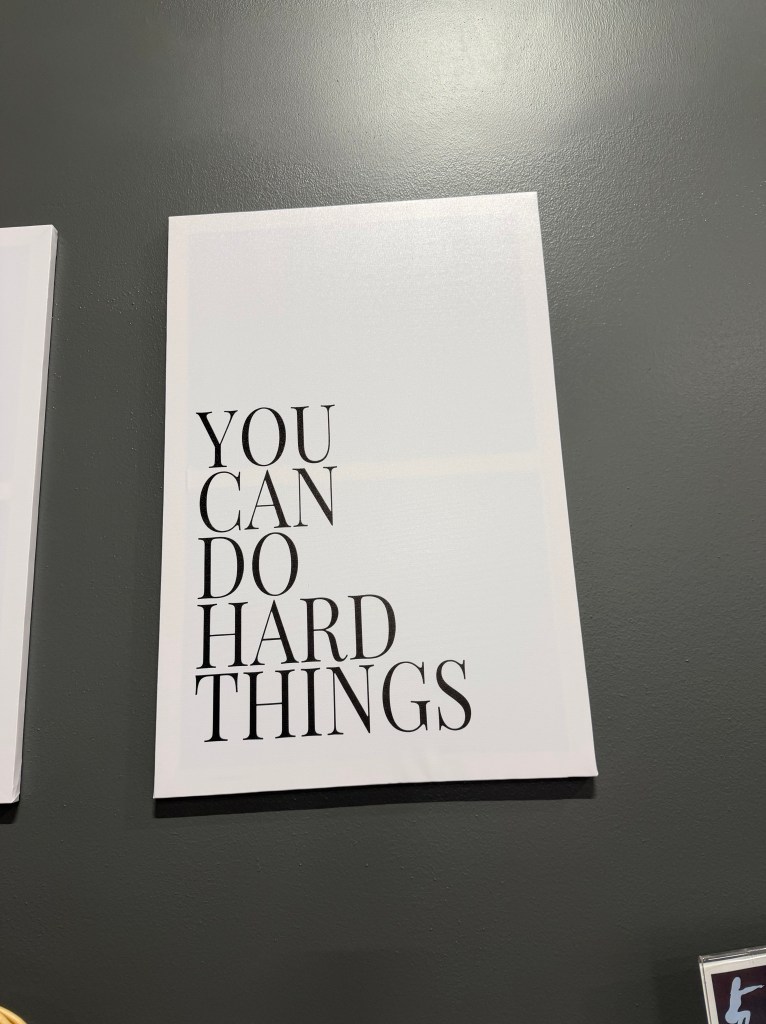
We have about 40 in our Silver Sneakers classes at the Wellness Center, ranging in ages from younger than I am into their eighties. The reason most attend? Yes, it’s for the exercise. But primarily it’s for the social interaction. “You can do hard things” a sign on the wall reminds us.
Yes, we can for as long as we can. But we have to have the mindset to do it.
 Life As I know it