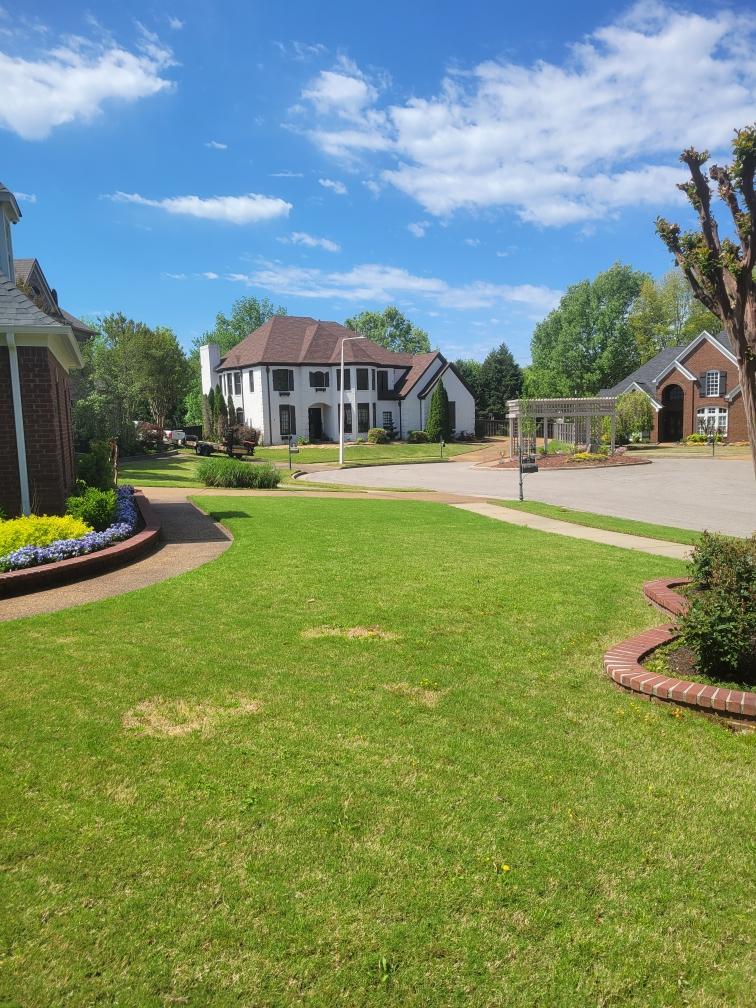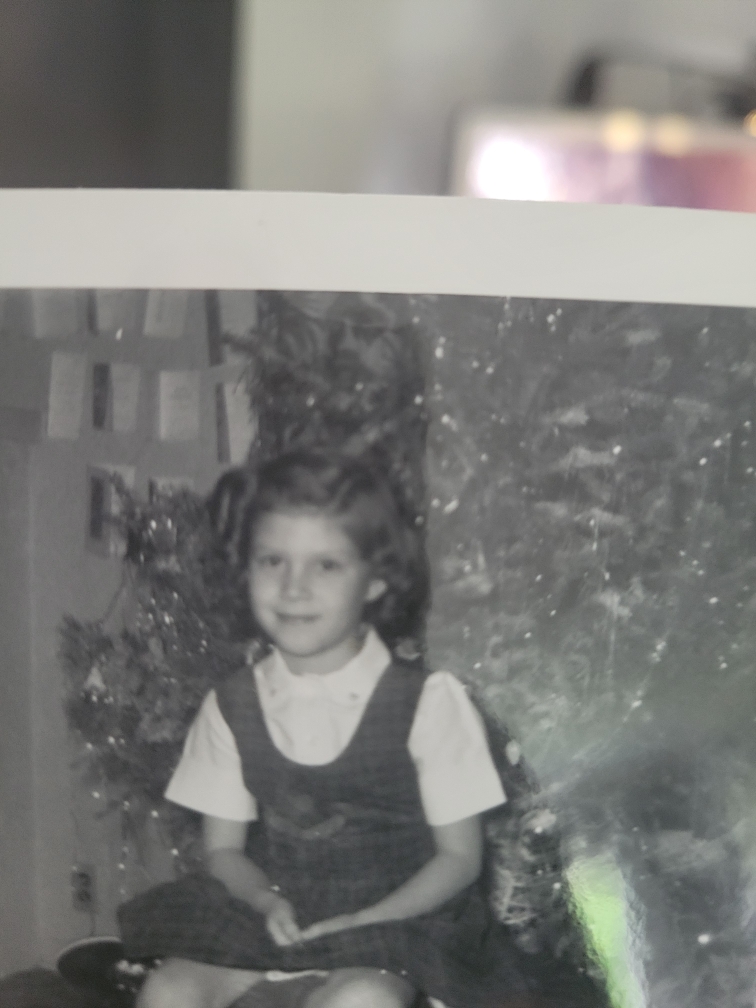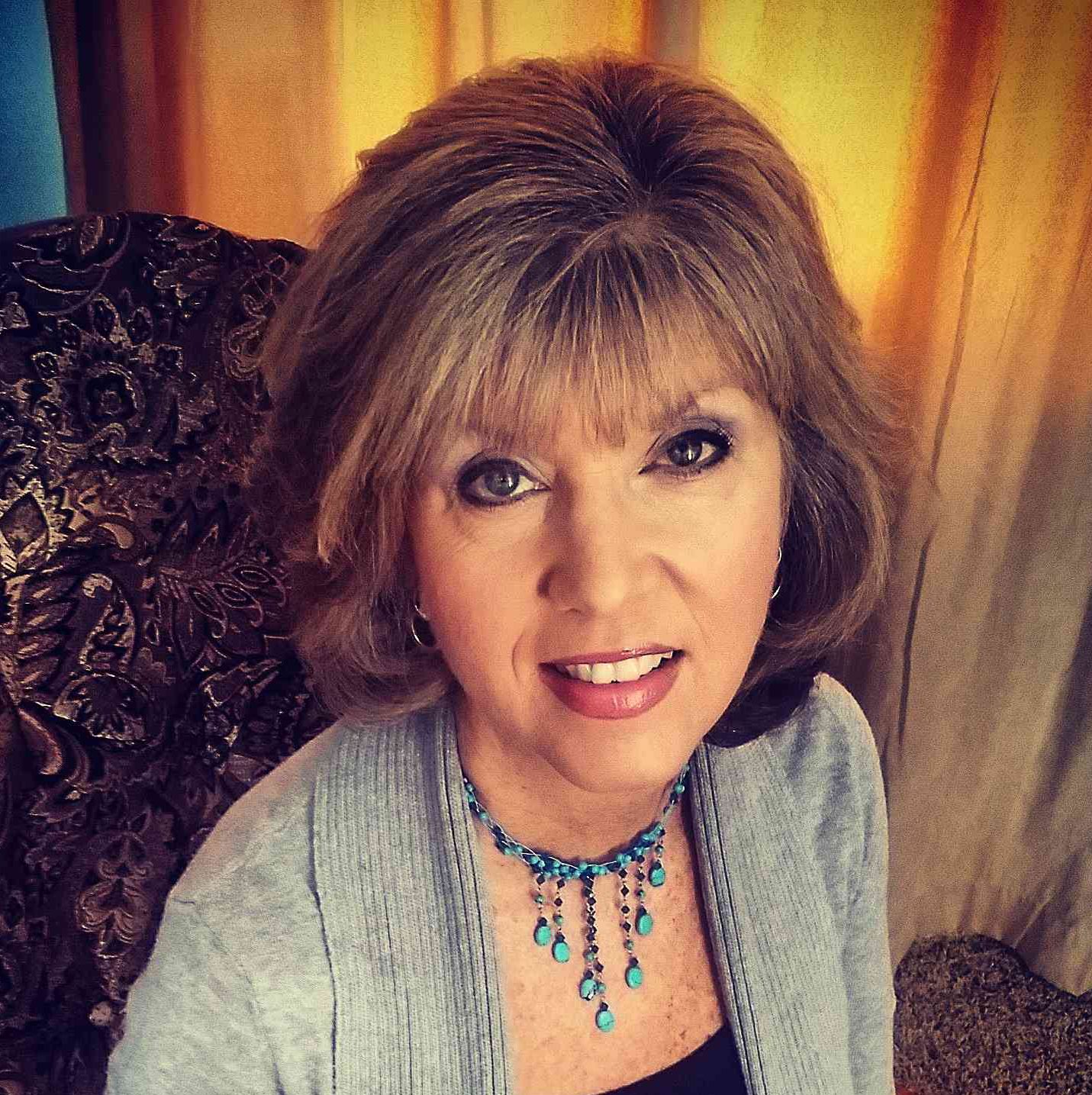

No real reason for this photo except I couldn’t find anything in my library. Plus I’d much rather share photos of my younger self than my current self!
How weird am I? Well, read the list, and you tell me.
I’m not a huge fan of chocolate. I’ll eat it but don’t love it. I’d rather have vanilla.
Although met teen and college years were in the 70s, I prefer music from the60s.
I don’t particularly like hamburgers or pizza. I can eat them, but it would be fine with me if I spent the rest of my life without eating either.
I love, love, love to go for long fitness walks.
I love aerobics like the old Jane Fonda exercise tapes and Jazzercise.
I’d rather iron clothes for an hour than unload a dishwasher for five minutes. I actually enjoy ironing. Stand in front of the TV and have a talk show on or listen to an audiobook, and I am perfectly content.
I liked Elvis when liking Elvis wasn’t cool.
I don’t love retirement.
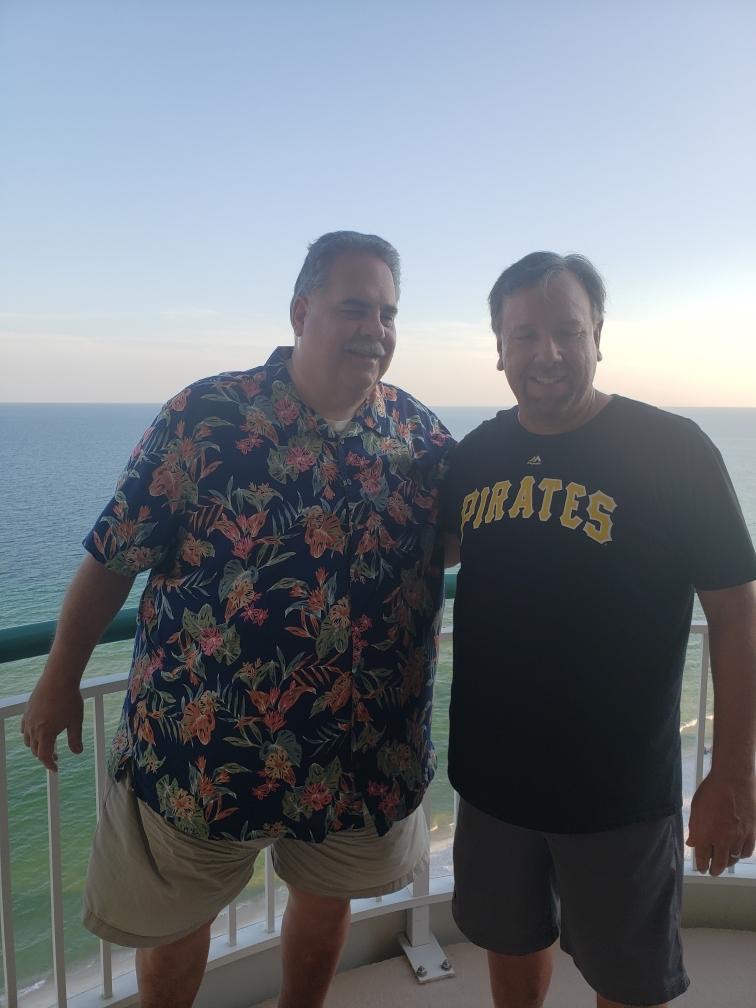
Going to the beach and doing nothing more than sitting on the beach and going out to eat does not appeal to me. I’d rather be spending some time on the beach then going and doing other things. I think I posted about how much better our trip to the Outer Banks in 2018 was than any trip we’ve made to the Gulf.
I thrive on change. I’ve been fortunate that most changes in my life have been positive ones, but I would never be the type to work in the same job for 40 years. Too boring.
The idea of moving doesn’t bother me. Part of it is actually appealing. Maybe because I moved around quite a bit the early years of my life.
I love broccoli. Really. Without cheese sauce.
Speaking of which, I’m not a huge fan of cheese. I definitely don’t like cheeseburgers.
I also love Brussels sprouts, Cracker Barrel turnip greens, and most vegetables.
I don’t like just sitting and watching television. I like to be doing something while the TV is on. Before vision loss, I used to put jigsaw puzzles together while watching TV. Or I worked on a cross-stitch project. Or I did a lap quilt project. Can’t do any of those things anymore, but I have learned to use a loom to make crocheted caps for premature babies and cancer patients, so I’m enjoying that.
I could keep going, but how do I rate on the weirdness scale? Pretty high, I bet.
Okay, okay, I’m not blind in the way you think. I am legally blind, though, and if you’re confused by that term, go to Amazon and get my book “Learning to Live with Vision Loss” for free if you have Kindle Unlimited (until the end of June) or for $2.99 as an e-book, or for $5.99 as a large-print paperback. In case you choose not to buy the book, though, I’ll give a brief explanation. What being blind means for me is that I have no central vision in either eye as well as some peripheral loss, and my peripheral sees 20/400. What that means is what a person with normal vision sees from 400 feet away, I have to be as close as 20 feet.
But that’s not the point of this post. Nor does this post have anything to do with the sketch above, other than to share that I used to enjoy sketching people and animals, but that once very enjoyable hobby is now very challenging and not quite as much fun.
Being unable to sketch like I once did is not the worst part of my vision loss story.
The worst part is being unable to drive.
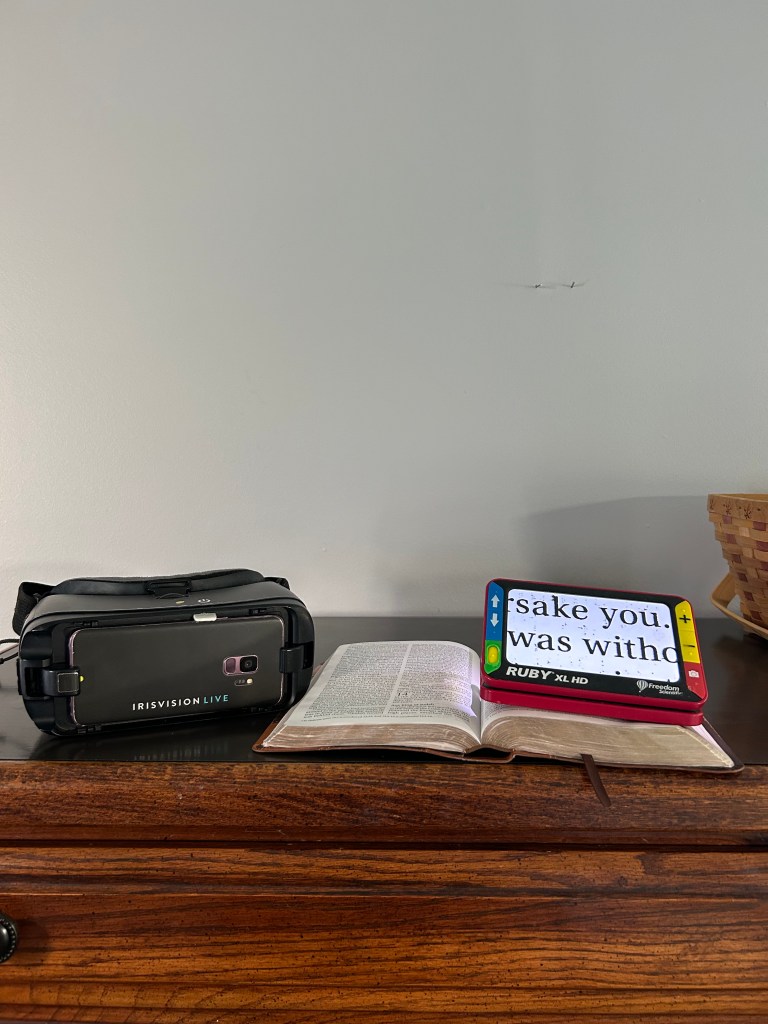
I have devices that help me do things like use the computer, watch television, read short amounts, and other activities (once again, explained in my book). I can still enjoy being around people and doing physical activities like walking for fitness, yoga, dancing, swimming, even playing miniature golf. My life is good. No, make that great. I’m extremely blessed.
Yet one negative continues to resurface despite my best efforts. That little voice in my head that whispers, “If only I could still drive…” There are so many things I could do if I could still drive. I could run errands again. I could go to town or to visit shut-ins or go walking somewhere else besides my neighborhood whenever I wanted. I could drive to bigger towns for a day of browsing the stores. I could help others by running errands for them or taking them places instead of someone else having to do those things for me. I could go see my granddaughters, who live over two hours away. I could help my family more.
My complaint (and it is a complaint although I don’t like to admit it) is common among adults who lost their vision later in life. We went from being independent to being stuck in our homes or neighborhoods and having to rely on someone else to get us to the places we need or want to go. Maybe people in large metropolitan areas that offer public transportation or people with limitless money who can afford Uber or Lyft anytime they want don’t share these feelings, but for most of us, the inability to drive means we have lost much of our freedom.
That’s a hard pill to swallow. It can be done, but it takes a long time.
I’ve been extremely fortunate to have family and friends to take me places. I know there are many not as blessed. I appreciate it more than they know while at the same time feeling embarrassed to need their assistance. I’m strong and healthy. I can walk five or six miles at a fast pace and not even be tired. The thought of me living like an elderly shut-in while still as healthy as I am seems wrong somehow, like the universe is out of kilter.
I guess I am writing about this for selfish reasons. I guess I want to vent, to make people understand what it’s like. It could be I’m writing this in case you know someone who is unable to drive for any reason so you will understand what they’re going through if they have the health and the will to get out and about. If you do, maybe reading this will persuade you to reach out to them, to go visit them, to take them places without them having to ask you.
After five years of not driving, it has gotten easier. I am adjusting and accepting, but I still have my moments. I’m getting there.
And if you’re still fortunate enough to be able to drive, don’t take it for granted. Try not to get worked up about that person in front of you driving five miles under the speed limit or staying in the left lane when he should be in the right or any number of things that can go wrong when traveling from Point A to Point B.
It’s annoying, no doubt. But at least you can drive. I’d gladly drive slower than the speed limit or behind a driver in the wrong lane just to be able to drive again.
Fifty years ago, on May 28, 1974, I graduated from high school. Our reunion was this past weekend, and the thought that kept going through me head was “how did we get to this point so fast?”
Of course, it only seems fast when looking back. That’s what my parents used to tell me, but I had to reach this point on my own to understand it.
You may be wondering why I posted the photo of a research paper I did for Advanced Biology my senior year, but it is relevant because it is a part of the memories we shared. There were probably 350 or so in my class, and we had almost 100 in attendance at the main event Saturday night. Twenty-seven of us, though, showed up on Friday for a tour of our old high school with stops in important spaces to share stories. One of those stops was Mr. Stubblefield’s classroom, the teacher who had us do a 40-page research paper during one six weeks period of time. If you’re old enough, you remember typing on that lined-margin paper and having to use white-out or white tape for all those typing mistakes.
Ironically enough, my topic was the human eye. Some kind of preparation for what lay ahead for me maybe? Just think, when learning about the structure of the eye and the diseases affecting it, I had no idea I’d be legally blind due to myopic macular degeneration. Weird, huh?
Anyway, back to reunions. I think people who had unpleasant high school experiences resist going, and I understand why. People who were not close to classmates have no desire to go. And some people just don’t like looking back on the past. Reunions, then, are not for everyone, but even for those of us who enjoy them, they can be bittersweet.
Sweet because of reconnecting with classmates and old friends who helped make us become the adults we became. Bitter because of those we’ve lost and the obvious effects of aging. We’re no longer those young hopefuls with an exciting life ahead of us. We’r enow adults who have experienced loss of loved ones, health crises, broken relationships, and loss of dreams. For most, if not all, life has not turned out like we’d imagined.
That doesn’t mean life hasn’t been good to us, and for those who have had more than their fair share of adversity, they still manage to focus on the good instead of the bad. One of my classmates shared he has been near death four times, bad enough that the doctors told them to call in the family. But he pulled through each time. He told us all how blessed he is, how grateful he is, and how happy he was to be with all of us Saturday evening.
For those of us who moved away and seldom return to our former hometowns probably have a different perspective than those who have remained and changed along with the town and each other. I, along with many others, found ourselves hugging each other, even “school-only” acquaintances, as though we were long-lost friends. And in a way, we are.
Our class of 350 has lost almost eighty classmates. We no longer have concerns about things that don’t really matter, like social status, economic status, being “big man (girl) on campus,” or part of the in-crowd, however that is defined.
Instead we are united by common experiences, shared memories, and a common realization of how precious time together is, however brief.
To the ones who planned our wonderful reunion, thank you. A tremendous amount of planning and work created a special experience for us all.
And if you are undecided about attending your own, try it. The worst that can happen is you will not enjoy it, but you will never know until you try.
This morning I watched some interviews with mothers and daughters openly talking about how their relationship changed when the daughters became mothers. These mothers and daughters were extremely close, but when grandchildren came into the picture, the relationship changed. The daughters wanted and needed their mothers to respect their choices in child-rearing. The grandmothers wanted to give their advice.
Listening to their stories helped me understand myself. My mom and I had a great relationship. We went shopping together, walked together, went to the movies together. When I became a mother, however, that close relationship created some conflict.
Mom had set ideas on how things should be done. She was my greatest cheerleader when I did things she approved of or encouraged–my writing and drawing efforts, my activities in drama club in high school, flying by myself to Arizona at the age of 18 to visit my only brother and his family, and my career change from banking to teaching. She and Dad thought teaching was one of the highest callings, probably just a shade below nursing. Mom had always wanted to be a nurse.
She wasn’t a cheerleader if she didn’t approve of the choice. Go to Europe with a well-chaperoned group following high school graduation? No way. The plane might go down over the ocean. Go to art school in Atlanta instead of college? No way. Atlanta was a dangerous city. Continue to live in my apartment after she and my dad moved to the town I was living? Of course not. It wasn’t proper for a young woman to live away from her parents if they lived in the same town. There was no question I would have to move in with them, even though it was 1979, not 1939.
When I became a mother, then, the unasked for advice, meant to be helpful, began to flow. I listened to some things and made my own choices in others, but listening to that advice was hard at times. “Better put him in bed with you tonight,” she told me and my husband on cold Christmas Day referring to our then six-month-old son. “The electricity might go off, and he’ll freeze to death.” No, I’m not kidding, she actually said that. Or, “I can’t believe you’re going off and leaving him,” she said when I took my five-year-old youngest son to my parents’ house for him to spend the night while I drove to Nashville to meet up with one of my best friends at the Opryland Hotel. “I never left you and Ronald.” It was Friday. I was going to be home on Saturday.
You get the idea. But as strange as these things sound and as annoying as they were, the good things outnumbered the bad. She and my mother-in-law insisted on keeping our boys so they didn’t have to go to daycare, which saved us a huge amount of money. The downside is it gave my mom more free rein to do her own thing as though our sons were hers.
We made it through without a rift. Sure, we had our moments, our hurt feelings, our spats. My mother was a loving, well-intentioned mother whose love I never doubted. If anything, her crime, if you can call it that, was loving too much. As her independent, ambitious, dreamy daughter, I often read her reservations and concerns as being a wing-clipper.
But maybe she was right in most things. Maybe she was right about me going to Atlanta alone. I have a feeling I would have been homesick. Maybe she was right about not going to Europe. If I’d gone to Europe instead of flying to Arizona, my life would have turned out very differently because I wouldn’t have made the choices I did. And no doubt she was right about the times I resisted taking the boys to do the doctor because I thought whatever they had would run its course when they needed antibiotics.
Please understand I loved my mother very much while still recognizing her flaws. And I guarantee my sons look at me and see my own flaws, the ones I don’t see in myself. I’ve done things over the years that have embarrassed them or made them think I’m too old-fashioned or set in my ways or whatever, but I’ve tried to avoid interfering. I haven’t always succeeded, but I continue to try.
The women this morning described how they still have a strong bond and relationship, and my mom and I stayed close until she died. Sure, I could have been one of those daughters who separated myself from her, full of resentment over her perceived bossiness, but how could I do that? My mother loved me in a way no one else ever would or ever could. To dishonor her by shutting her out of my life was never an option.
I am not meaning to dishonor her now. She and I had these conversations, and I know in her mind she meant well and wanted only the best. She had a strong sense of family commitment and rook care of her own mother the last three years of her life, even though their own relationship was a little bumpy at times. Mom knew the bonds of family were stronger then the rifts that sometimes occur.
If your mom is still alive and your relationship is sometimes a struggle, I ‘d encourage you to find a way to overlook what’s bothering you or have a conversation to resolve your differences. If you and your mom have a great relationship, count your blessings. From what I saw this morning, most adult daughters and their moms travel a bumpier path.
Above all, if your mom is alive, honor her this Sunday. When my husband’s mother was dying, she told him, “There’s nothing like a mother’s love.”
I know that statement is not always true, but if you’re one of the fortunate ones who has/had a loving mother, no matter what her flaws, realize how fortunate you are and recognize your own shortcomings. Your mistakes as a mother don’t mean you don’t love your child. It just means you’re human.
Thank you, Mom, for loving your children and grandchildren so ferociously, no one and nothing could ever kill that love, no matter how we treated you, no matter what happened.
Yes, I was there. No, I wasn’t this close to Elvis. A friend sent me the picture. But those are my ticket stubs.
What was the concert like? Actually pretty decent. They made an album from it–well, from this particular night and the previous night’s show. The entire concert from May 7 is on YouTube. I remember when he told the young mother sitting near the stage that she had her baby too close to the speakers.
I was one of the younger ones in the crowd. Most were women in their late 30s and 40s with the teased high hairdo’s still common at that time.
The tickets were $10 each. That seemed expensive at the time, but I was working and used my own money!
I’ve seen other entertainers/groups who put on better shows. Elton John, The Eagles, Little River Band, and many more. But I was floating when I left the arena that night. At that time, he was the most famous celebrity I’d ever seen. Unless you count James Brolin and Rosie Greer, whom my parents and I saw at a telethon in Nashville. But here’s the catch: no matter what your age, you know who Elvis Presley was. If you’re younger, you may have no idea who James Brolin or Rosie Greer is.
I’ve outgrown the starstruck mentality because I’ve learned that celebrities are just people like the rest of us who just happen to have careers that put them in the limelight. Elvis was a flawed human being whose fame elevated him to some sort of bigger-than-life status that I kind of think he loved and hated at the same time. People may argue about his talent (or lack of talent) and they may choose to believe the negative things publicized about him or the positive, but I think there’s one fact they can’t deny.
Elvis had a fan following like no other entertainer, and that following is still going strong as younger people jump on the fan-wagon. I know of no other entertainer that was as famous and beloved almost 50 years after his death as he was in life.
I love this photo of my parents taken at Reelfoot Lake many years ago. Dad passed away in 2012 and Mom in 2021. She lived to be almost 94, and while I respect her memory and always loved (love)her, she had a very human weakness that consumed her. That weakness was worry.
She didn’t see it that way. She was a Christian who prayed regularly, attended church as long as she was able, and read her Bible daily.
But she lived in fear and worry. Fear of someone breaking into the house, constant worry about her children and grandchildren, fear of doing many things, and a worry that caused her to try to control the lives of her loved ones.
For years, I was critical of her tendency to worry without realizing I was doing the same thing at times. I worried about things going on with my job, about my children, about the future.
Thankfully, I had an awakening of sorts. I don’t know what prompted it, but I began to learn to let go. I learned to pray about my concerns then forgot them. The only person I could control was me. I couldn’t control what my co-workers did, what my family members did, or my declining vision.
Mom always worried when my children were flying somewhere and wouldn’t rest until “they have their feet on the ground.” She worried anytime any of us were traveling on the interstate. She worried about our souls and salvation. She worried about choices her children and grandchildren were making.
I understand those concerns. But concern is one thing. All-consuming worry is another.
Yes, I have concerns at times, and my loved ones are always in my heart. But I don’t worry about them. Why? I can’t control their health, their choices, their actions, nor their attitudes. All I can control is me, and even with me there are things I can’t control.
I can control my health and safety to the best of my ability, but even I have limits in how much I can control my own life.
That’s not to say I don’t have my moments. When loved ones have serious illnesses, sure, I worry. If they are experiencing a crisis or serious problem, sure, I worry. But like I said, I pray about it and try to let it go.
We sometimes spend too much time focusing on choices or mistakes of the past and fears of what the future holds, and doing so robs us of joy in the present. What a shame to live a life like that.
I don’t think Mom would mind me using her as an example. If she were alive, she’d be denying it. “I don’t worry,” she used to say. “I’m just cautious.” Or “I can see things you all can’t.”
But if her faith in what follows death was correct, she knows better now. She knows she wasted days and nights living in fear and worry about things she could not control. So I think she’d want to tell us all not to follow her example.
Let’s face it. I have some computer skills. But a gal born at a time when black and white photographs were the only options, most people were just then being able to afford televisions, and telephones had party lines, technology still amazes me.
I’m continuing to learn about assistive technology for the visually impaired, and as a lover of books, I wonder how many other people don’t know, as I didn’t, that Alexa can read any ebook I purchased on Kindle.
That’s right. I don’t have to get a more expensive audio book on Audible. I don’t have to be unable to read books that have no audio format. Thanks to Alexa, if the book is sold on Amazon, I can buy the ebook and have it read to me for free.
I realize you younger or more tech-savvy readers already know much of what I’m sharing, but for the benefit of the “older generation” who may not know these things, I’ll share what Alexa can do to make life easier. As a visually impaired person, I use the Echo dot daily, usually several times a day.
I know some people have concerns that the dot is listening to them, but guess what? So is your phone.
I use Alexa to: ask the time, the weather, the UV index, hear recipes, ask medical questions, ask nutrition information, play games (Jeopardy, Question of the Day, Song Quiz), learn, listen to podcasts, listen to music (including Sirius radio), ask about celebrities, and more. I use Alexa for learning activities. Alexa can call anyone in my contact list. If I were to fall and not have my phone, I can ask Alexa to call someone or 911 for help.
If the information is on the Internet, Alexa knows it. Sometimes I say, “Alexa, I’m bored,” and she suggests some games I might like. If I misplace my phone, I can ask her to call it (although I have an iPhone and can just say, “Siri, where are you?”).
I especially like using Alexa for recipes since I hear the instructions and don’t have to use a magnifier to struggle to read one.
Back to the reading a book to you topic. If you’re listening to a book and tell her to stop, when you decide to go back to it, even days later, she will pick up where she stopped.
So for someone who grew up with no cable, black and white TV until I was 15, no microwave until I was in college, no cell phone until I was middle-aged, and no way to record something on TV until I was in my thirties, Alexa is pretty amazing. I would hate to be without it!
My youngest son, now age 35, became an Elvis fan when we visited Graceland when he was ten years old. For years after that, every birthday and Christmas, we made the two plus hour trip to Memphis so he could tour the mansion and go through the exhibits. As he got older, we always included friends so they could explore on their own while we (or usually I) just chilled somewhere.
I became so familiar with Graceland and the plaza (now gone), I began to imagine stories connected with it. My first book was for girls ages eight to 12, a mystery involving their stay with a great-aunt who lived behind the Graceland property. When I wrote this novella, my publisher told me to write a romance involving a female veterinarian who took care of the horses at Graceland. That was the only direction she gave me.
I created a novella involving Kyla Porter, a veterinarian with a secret, and Cole Weathers, the handsome man she encounters on her first official visit to the Graceland stable. I learned about the stable from the woman who at that time managed the stables (she answered my questions via email).
My son and his family live on Mud Island (getting ready to move), so I had to include that beautiful section of Memphis in the story as well as Olive Branch, Mississippi, a town just across the state line where my husband’s cousin and his family lived.
I always like to write what I know, and because these places (as well as Knoxville and the Smoky Mountains) are familiar to me, I included them all in this short novella.
It is free with Kindle Unlimited as an ebook, so if you want to read a clean romance involving all these places, maybe you’d like to download it and give it a try.
By the way, the book begins on April 1 (there is significance to that date), so I guess writing about it now is sort of timely!
It’s now available! A short book, only 20,000 words, available as an ebook or paperback. $2.99 for the Kindle ebook and $5.99 for the paperback (large print). Audiobook is in the works.
When I lost all central vision in my one remaining “good” eye four years ago, I didn’t know where to turn or what to do. My life was impacted in a negative way, and I needed to find ways to do normal things. My husband and I researched and sought help, and the knowledge I’ve accumulated in the process needed to be shared.
From an explanation of what blindness is and isn’t to strategies for doing things around the home, using assistive technologies, using smart devices, participating in support groups, online resources and YouTube channels, and more–this short book has information designed to help others find their way in a partially sighted or even totally dark world.
It is also for family members and friends of those dealing with vision loss as I explain the emotional struggles, explain how we function, and list resources to help.
If you know anyone dealing with macular degeneration, glaucoma, cornea problems, diabetic retinopathy, or any other eye condition, this could be the book they need to get them on the path to living as normal a life as possible.
Ah, retirement. It’s what we dream about when we’re burned out with our jobs or feeling stuck or exhausted from the hectic pace of life. We envision how wonderful life will be when we are not controlled by the clock or obligations. The freedom to travel, to sleep late, to do what we want to do when we want to do it. What could be better?
That was how I felt when the above picture was taken at The Outer Banks of North Carolina in 2018. I had retired a week earlier, but the reality of my new situation had not yet sunk in. As a teacher, I was used to summers off, so I knew I wouldn’t realize I was retired until school started back in August.
It was a wonderful feeling to be sitting out by our pool on the first day of school. I thought of my teacher friends and how that first day was affecting them. I remembered my own experiences and was glad those days were over for me. I had signed up to be a substitute at the school where I taught, a perfect set-up for me. I could sub if and when I wanted. I had the freedom to choose.
But the newness of retirement wore off. True, I had freedom, but almost all my friends were still working, so I had no one to do things with. My husband was still working, and he was too tired at night to go anywhere, so life became a routine of…boredom. My vision loss soon declined to the point I could no longer sub, which made it worse, but even if I’d had the vision to keep substituting, I think I would have felt the same.
I know plenty of people who love retirement, and maybe I would also if I could drive and go and do things on my own. Yet I know my personality. I’m high energy, very sociable, and goal-driven.
Six years have passed, and my feelings about retirement haven’t changed. Don’t get me wrong. I don’t miss the 5:30 A.M. alarm, the rushing to get ready, the days so full I’m exhausted at night. I enjoy taking my time to drink coffee, listen to a podcast, listen to a devotional, and get my inner self strengthened before beginning my day. I’m in two book clubs, three civic clubs, and the president of our local retired teachers association. I volunteer for activities at our church.
But there are still many hours to fill each week. TV, especially daytime TV, gets boring. Audiobooks are great–for a while. My hobbies–sketching, acrylic painting, doing crosswords with the use of a assistive technology, playing solitaire with cards for the visually impaired, cooking–sound like a lot, but even those things can get to be more of a chore than a pleasure because I can do them whenever I’d like.
When you retire, you lose something. You no longer have the weekends to look forward to, so every day blends into the next. You miss out on what’s going on in your community because you are not around people on a regular basis. If the weather is bad and you’re stuck at home…well, it gets boring.
My advice to anyone contemplating retirement is to know your personality. If you’re ambitious, goal-driven, and all those qualities I’ve described about myself, you might want to ease into it. See if your employer will allow you to work part-time (ideal for me, if I could) or retire from this job and find a fun part-time job. I used to dream of moving away from our town and living in a city so I could work somewhere fun. Something simple like being a docent in a museum or selling tickets at a place like Graceland or the Country Music Hall of Fame or relocating to the Smoky Mountains and working in one of the many tourist attractions there.
But family relationships and other circumstances prevent those “fun” jobs, so that is why I’m writing again. I’d prefer to have an office to go to where other people are working to do my writing. An ideal work schedule for me would be 9:00 to 3:00 three days a week. Anyone know of a job like that for a legally blind gal? Ha ha!
Like I said, these are just my thoughts. There are plenty of people who love, love, love retirement. Maybe I would if not for my vision issues.
I often say I’m an odd duck. I don’t love chocolate, pizza, or hamburgers. I prefer salads and fruit and yogurt and vegetables. I force myself to eat fish and chicken because of the protein. I enjoy walking several miles most days of the week. Yes, that’s right, I ENJOY walking. I enjoy exercise videos and swimming and would love to roller skate if not for my age and would definitely love to ride horses again.
So if you’re an odd duck like me, you might want to rethink your retirement plants. Just food for thought!