Lessons Learned from a Friend

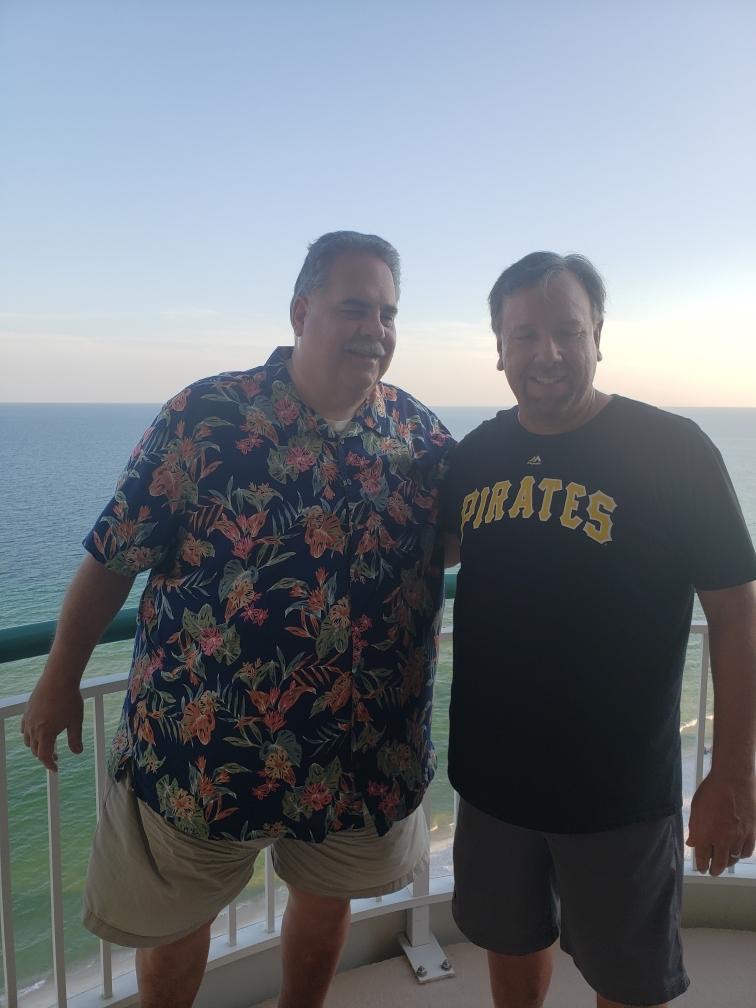
I wish I had a better picture of him, but for some reason I don’t. I wish I had a picture that shows the twinkle in his eyes, his contagious smile, even a picture that depicts his famous bear hugs.

This Thursday, family and friends will honor Gregg and his life, sharing their memories, funny stories, and no doubt some serious ones. I’m sure there will be many tears. There already has been.

A few things about him that make him exceptional, especially in the world in which we live. He married his high school sweetheart after he graduated from college, and they recently celebrated 44 years of marriage. There was no doubt he adored her. He had a way with words and was not afraid to use them to honor the people he loved. He was the father of three children and three grandchildren. He was a dedicated employee, working more hours than he should to help the company succeed.

He loved his adopted hometown, and he enjoyed nothing more (other than time with family) than being with his classmates and friends he made growing up here. At class reunions, I always noticed how he talked to every classmate there, whether they had been good friends or not, and how he asked questions about their lives and truly listened.

He and Barry were high school friends, and Barry was a groomsman in his wedding. He and his wife moved away, and the two in pre-email and pre-cell phone days lost touch. But when they moved back to Tennessee just a little over a couple of hours away, they reconnected, and so began years of activities. Weekend trips to the Smokies, week-long trips to the beach, multiple get-togethers with our unit of four couples at different houses. Card games, trivia nights, putt-putt competitions, even an escape room adventure–we enjoyed our time together.

A former DJ at a radio station, he loved music, and I can only imagine how long his playlist is. He loved sports and was a loyal Cardinals baseball fan, unlike Barry who has been a Pirates fan since his Little League days. But they never argued about their difference in loyalty.

He was the type of guy who, if he hadn’t seen you in a while, would give you a big hug and hug you again when he left, as did his wife. He (and she) were always the first to tell us “Love you guys.” He told his friends how much he appreciated them, even in text messages.

Like any of us, Gregg was not a perfect person, and he wouldn’t want us to think he was. He could get worked up about politics at times, and maybe some other things, but normally he was an even-keeled, kind man who was always ready to laugh, to share a good memory, to praise others for the good things happening in their lives.

So what are the lessons learned from our decades-long friendship? We don’t all have his outgoing personality or ability to be open in our affection for others. But we can all smile, laugh, be kind, be good listeners, and value our friends and family. We can all be the kind of people that when it’s our time to leave this earth, people will miss us, say kind things about us (and mean it), and maybe say they learned a few things from us.

His passing was sudden, so it is taking us a while to accept. It is surreal. But how comforting it is to know the last thing he said to us the Thursday before he passed away was that he loved us, and we told him the same. He meant it, I know.

And so did we.
Small town or big city? Or something in between?

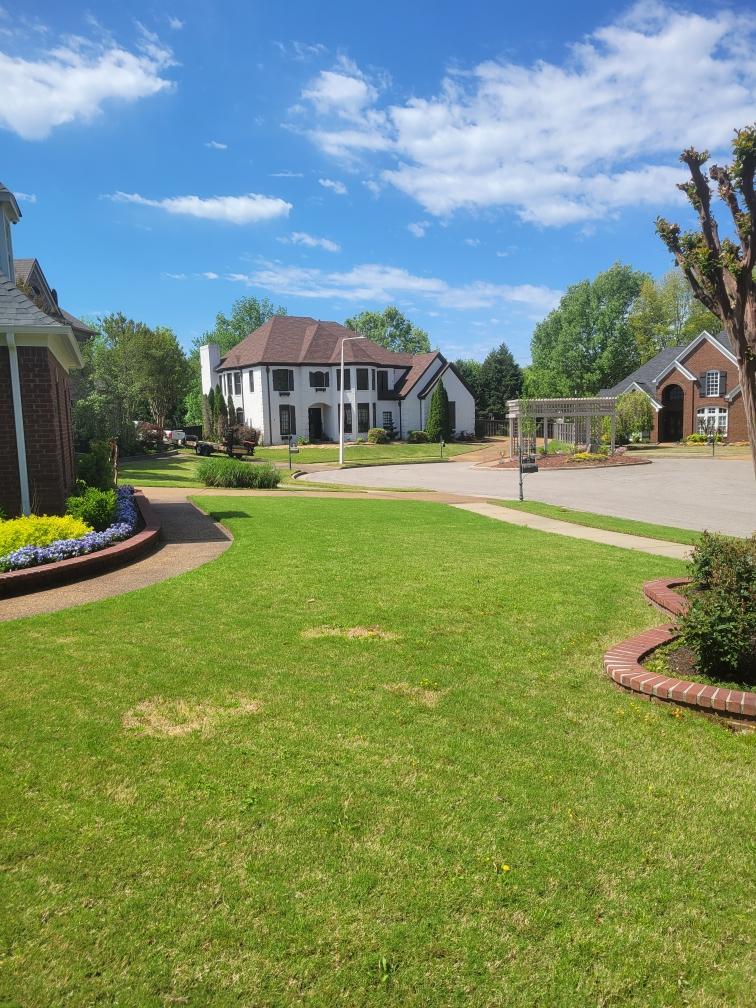
Is this neighborhood In a small town or city? Can you even tell?

There are clues. If you can’t figure it out, I will reveal in a bit.

I have lived in towns with populations of 30,000, 15,000, 10,000, and currently a town of about 11,000. So I have no experience with “city life” other than when visiting my son and his family in Memphis. By the way, that town of 30,000 in 1970 is now over 100,000. That town of 15,000 in 1960 is now 53,000. My town of 11,l000 in 1980? 8,900. I guess you could say we haven’t had much growth.

Where am I going with this? I guess I’m reflecting on what makes people choose to live the places they live. Why do so many stay in Chicago, New York, Los Angeles? Why do so many stay in very small towns with limited opportunities and economic hardships? What motivates someone to live where they live?

I think the answer is obvious, at least for most. Family and friends, and maybe not in that order. Behind that comes temperament (those who fear change), abilities or education (can’t get a job anywhere else or think they can’t), and those who love the opportunities that place has to offer. Someone who loves to hunt and fish wants to be in a rural setting, while the ones who love professional or collegiate (big university) sports and entertainment like theater and musical events will prefer the city.

Once again, all of this is obvious. I’m just stating what you already know.

It’s pretty cut and dried for many. For people like me, though, it’s not so simple. The town I live in is wonderful. It has a university (where I attended and loved it so much I stayed), and it has more to offer than many small towns. It’s safe. It’s clean. Caring, interesting, and community-minded people live here. It really is a great place to live.

But we’re an hour away from great in-person shopping. We’re at least an hour away from medical care for the more serious issues. We’re two or more hours away from big-name sports events. We’re over five hours from the #1 locale in our sports world, Knoxville (Go, Vols!). We have limited job opportunities for college graduates, which explains why so many of our children move away once they receive their degrees. Even manufacturing jobs, once the mainstay of America, are limited.

But is a city any better? Higher crime rates, traffic, anonymity (which can be a plus or a negative), and a higher cost of living may offset the benefits of entertainment and medical care. The jobs found may still require a long commute instead of a five-minute one in a small town. The in-person shopping may be too much of a hassle on busy days off, leading to online shopping, especially by the 50 and under crowd.

What’s the answer then? For me, something in between. Paducah, Kentucky, is an hour from us. It has an excellent TV station, shopping, medical care, entertainment options, and educational opportunities. It is intersected by a major interstate. The population? Only 27,000. If I could take my friends and my church family with me, I’d be tempted to move there. Well, maybe not. Kentucky has a state income tax and a personal property tax. We don’t.

I’m a dreamer. I’m restless. I thrive on change. So sometimes my mind goes down these rabbit trails, thinking about how it would be to live somewhere else while knowing all along I wouldn’t really do it. And while traveling those trails, I wonder if I’m the only one who thinks like that or if there are others like me, people who have read too many books and dreamed of traveling to or living in amazing places. People who wish they could make some big changes in their community. People who dream and envision possibilities.

Have you figured out the location of the houses in the photo? Look closely. There’s a telltale sign it’s not a small town like mine.

It has sidewalks. How I’d love for us to have sidewalks so I could walk to town and feel totally safe from the cars flying toward me. How great it would be to have sidewalks to push my granddaughters in their riding toys in our neighborhood. I dream of sidewalks.

Back to the photo. This is a neighborhood in a town of just over 50,000. It has sidewalks everywhere and is a five-minute drive from a top-notch school, from restaurants, grocery stores, and places like Target and Home Depot. It’s in a suburb of a city, so it has the benefits of city life without the negatives except for traffic when going into the city, which any of us would have anywayI.

You can guess what gets my vote (if not for my friends). Something in between. And, of course, something in Tennessee.

What about you? What gets your vote (and take family and friends out of the equation)? And if you love where you live, what, if anything, would you change?

Funny “blind” moments

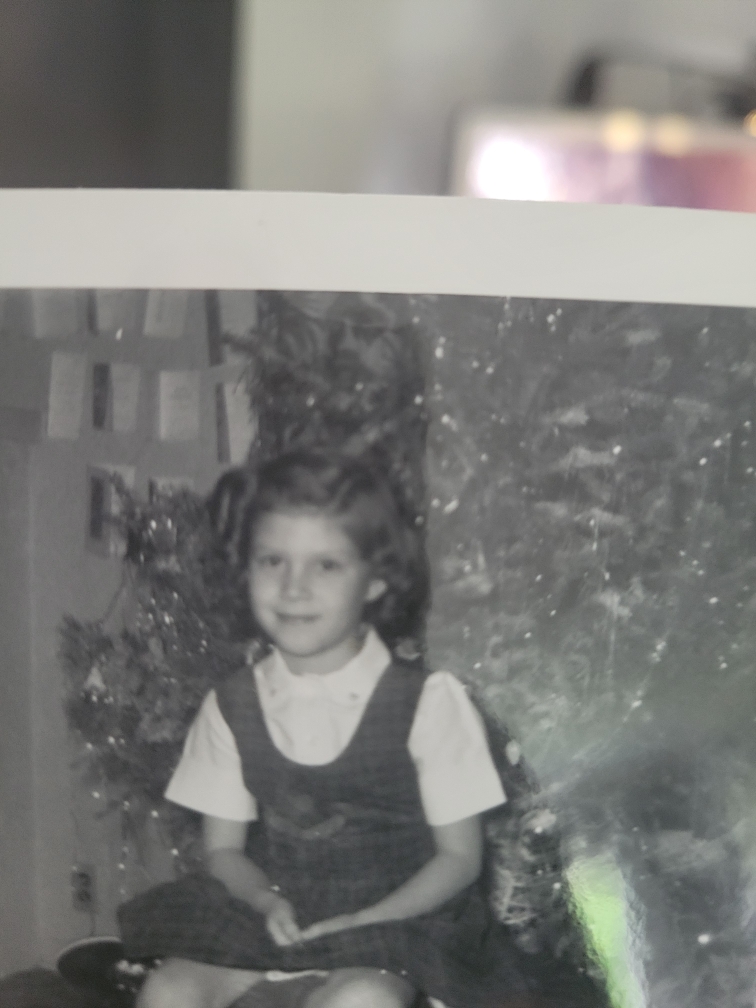
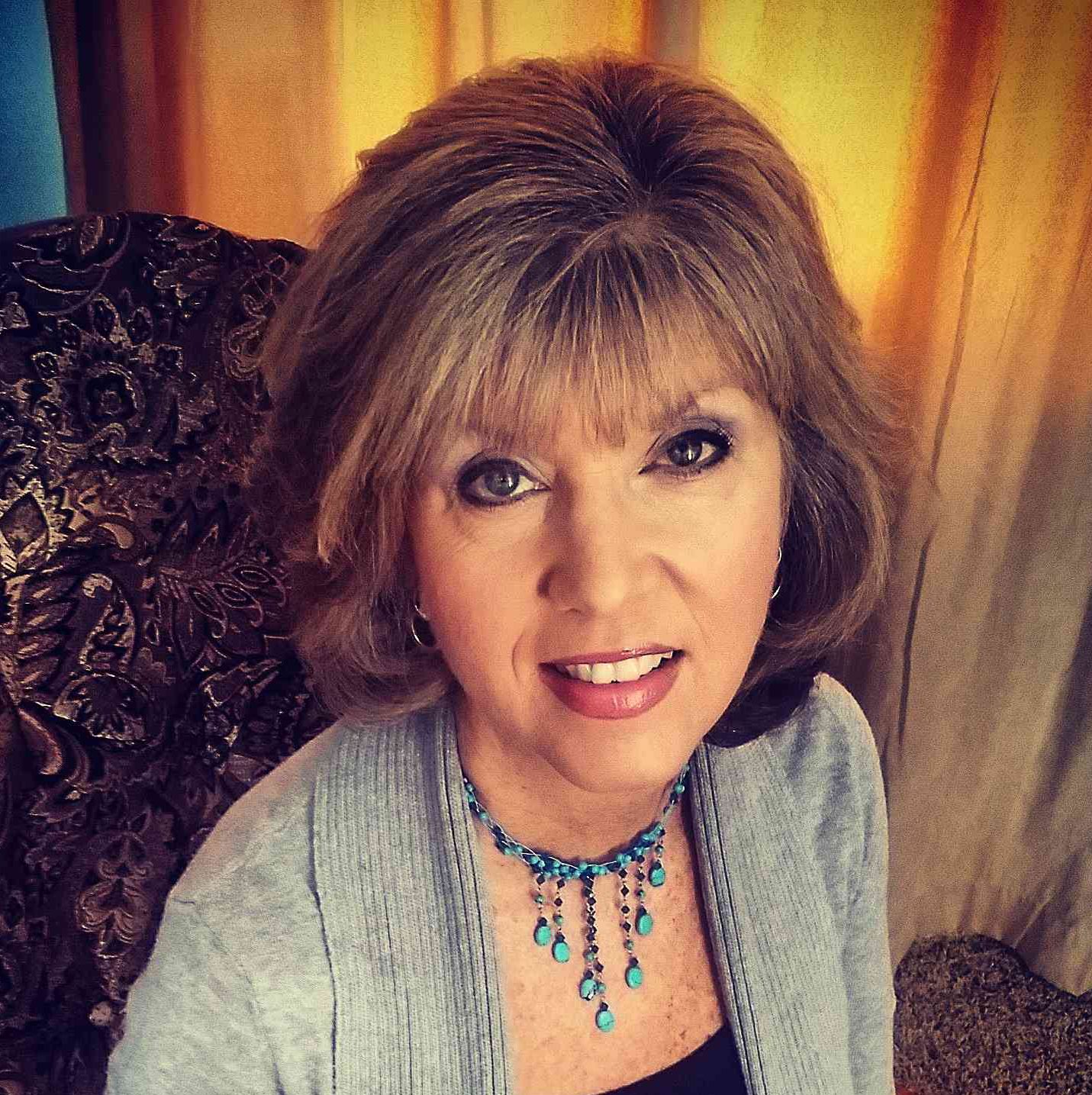
No, there’s nothing funny about low-vision or legal blindness or total blindness. And no, this picture has nothing to do with my post other than to share a blurry image of me many, many years ago before vision loss, before wrinkles, and before…life.

Life has its highs and lows, its joys and griefs, and its “blah” moments when we feel like we’re plodding along with not much hope ahead for better days. Whatever your coping strategies are for dealing with those times, I think keeping a sense of humor about some things can help.

If you read my book Learning to Live with Vision Loss, you already know this story. One day s fly in the house was annoying me at every turn. I had tried several times to kill it, but I missed each time. Finally, about the time my husband arrived home from work, I hit my mark. “Got it!” I told him as he entered the kitchen. He looked at the counter. “You sure did,” he said. “You definitely got that popcorn kernel.”

We had a good laugh. He killed the fly.

Another time we stopped at a rest area along the interstate. “Do you need me to walk you to the building?” he asked. “No,” I replied. “I can find it. And I know where you’re parked.” When I was returning to the car, I walked with confidence to the red vehicle and opened the passenger door. When I did, my peripheral vision picked up some bags of chips in the seat. “Wait a minute,” I thought. “I didn’t have any chips” I lifted my gaze, and a man (not my husband) was staring at me, speechless. I Immediately started babbling. “I’m so sorry!” I said. “I’m legally blind and thought this was our car. I’m so sorry!” I backed away and closed the door. Barry was in the next space. That red car had not been there when we had pulled in, so I’d just assumed the vehicle was ours. I’m sure I gave that man a story to tell!

I am president of our local retired teachers association. Our secretary has hearing loss, and even though she wears a hearing aid, she still struggles. At our meeting Wednesday, she told the group if someone else wanted the position because of her occasional errors in the minutes, she would step down. Of course, the group was only too happy for her to keep the post. I told her afterwards how much I appreciated her efforts and said, “Hey, our group is unique. How many organizations have a blind president and a deaf secretary?” We both laughed as did a member standing nearby. “I was thinking that,” he said. “But I was afraid to say it.”

Let’s not talk about the times I’ve put on shirts wrong-side out or thought I was talking to one person and it was someone else or tripped over obstacles (in certain lighting our son’s dog blends in with our carpet, so I’ve stepped on hi or almost tripped over him more than once). The point is, stuff happens.

I can take myself too seriously like member of an online support group who is offended by terms like “blind alley,” “blind drunk,” “blind as a bat,” and so on. I think that’s being overly sensitive and taking yourself too seriously.

Don’t get me wrong. Many things in life are not laughable. But being able to laugh at myself makes me feel a lot better than being upset by those things. After all, laughter is the best medicine, right?

Cancer is on my mind these days

No, I don’t have cancer, at least not that I know. But my niece does.

She’s not just any niece. She’s my only one, except for my niece by marriage. I have no nephews. I was 12 when she was born, and she was more like a precious little sister than a niece. While life’s circumstances and distance has reduced the amount of time we can spend together, I believe the bond we share is still strong.

So when she was diagnosed with lobular breast cancer almost a year ago and began a battle that has included the usual treatments along with a few complications, I began to research, trying to understand her journey. I have tried to encourage her and to let her know I’m thinking of her and praying for her. I’ve tried to do what I can, but it doesn’t seem to be enough.

Thinking about her situation and the others in my family and friends circle who have been touched by cancer made me want to do more. Being the teacher and writer that I am, it made me want to learn and inform. I want others who have not been touched by cancer to learn how to prevent it. I want those who have been affected by cancer to know they’re not alone and that research is ongoing to help fight this dreaded disease.

I interviewed a local cancer doctor and wrote an article for the local newspaper. What follows is the article. I hope you benefit from it in some way.

Ask anyone who has beaten cancer, and they are likely to tell you it is always in the back of their mind. No matter how many years have passed, they wonder if it will come back.

Ask anyone who has battled or is battling cancer, and you’ll hear stories as varied as the people telling them. There are similarities, of course, in treatment and the emotional impact, but cancer is not a “one size fits all” disease. Its impact depends on factors unique to each person.

The American Association for Cancer Research shares a calendar for National Cancer Awareness Months, which are every month of the year except December.  The purpose of the designations is to raise awareness about cancer, promote education on the disease, and advocate for research, early detection, and better access to quality care for patients. September focuses on several types of cancer such as childhood cancer, leukemia and lymphoma, and prostate cancer. Breast Cancer Awareness Month is October.

That is the most common cancer seen and treated by Dr. Margaret Gore, hematologist/oncologist, of the Baptist Cancer Center in Union City. She has been practicing medicine in the clinic since 1997 when she relocated to the area from Memphis. In her practice, she diagnoses and treats patients referred to her by their primary care doctor as well as treats patients already diagnosed by a referring physician.

The staff at the center provides everything a patient needs, including surgery (done in another location) and chemotherapy, radiation, and immunotherapy treatments. “The treatment is individualized,” she said. “We have a wide range of treatments depending on the biological markers found in the tumor and sequencing of the DNA.”

Colon or lung cancer ranks second in the number of conditions she sees, and while she and the staff provide surgical services and treatments for most cancers, lung cancer surgery is done elsewhere. After surgery, however, patients can receive treatment at the center. She does not limit patient care to those who are patients in the Baptist Medical Group. “If someone has surgery or is diagnosed somewhere like Vanderbilt, I work with their doctor. Our goal is to do what is best for the patient.”

A common misconception is that most cancers are due to genetics. Dr. Gore said only about 10 to 15 percent of cancers are due to genetics. Lifestyle choices are the leading causes. High fat diets, whether animal or plant fats, make a person more likely to develop cancers. Research indicates that people who exercise regularly are less likely to get cancer, and having as many as four servings of alcohol each day puts someone at a higher risk. She said the most preventable cancer is lung cancer since most cases are caused by smoking.

“If someone quits smoking,” she said, “the cancer risk reduces for each year following. After 20 years, the risk is the same as that of a non-smoker.”

In addition to high fat diets, insufficient exercise, and excessive alcohol consumption, smoked foods such as smoked sausage and smoked ham have been shown to be a link to gastral cancers. For women, hormone replacement therapy consisting of estrogen and progesterone therapy for more than five years increases a woman’s risk of breast cancer while short periods of estrogen-only therapy do not show much risk.

Dr. Gore emphasized the willingness the Baptist Medical Group has to provide care for people, even if their insurance is inadequate or if they have special financial need. Financial advisers will work with them and find resources to enable them to receive appropriate treatment. If someone has full medical coverage, there may not be a need for a separate cancer insurance policy, but she recommends people research to find out if they need the policy based upon on their financial need and major medical coverage.

Dr. Gore wants people to know that if they are diagnosed with cancer, they shouldn’t assume the treatment will be too horrible to endure. It depends on the person’s unique biological make-up. While some people may experience bad side effects, for others the side effects are mild. Immunotherapy, which has been used for about 25 years, normally does not cause sickness or pain, and radiation is well tolerated by most. “Fair-skinned people have more problems with radiation than darker-skinned people,” she said. “It also depends on the targeted area of the radiation. For example, if the radiation is in the neck area where the skin is thinner, it may be more uncomfortable than areas of the body where the skin is thicker.”

She said a positive attitude goes a long way in battling cancer. “There have been multiple studies that have shown that. That doesn’t mean someone has to be constantly cheerful. “You’re allowed to have moments of grief. But people who pick themselves up and say ‘Yes, I’m going to fight this’ do much better.”

Her final bit of advice is to those who sense that something is not normal, yet their doctor finds nothing out of the ordinary. “The squeaky wheel gets the grease,” she said.  “If something feels not quite right, keep telling them. Doctors are not perfect. If you think something is not right, pursue it. You know your own body.”

Baby boomers–wow, was our life different!

A lot has changed since the 1950s and 1960s, and I’m sure much of it is for the best. Stricter safety measures and laws, awareness of toxins, and “stranger danger” instruction keeps the younger generation safer and healthier. But when I think of how we lived back in the day, I’m amazed that most of us survived the hazards of growing up.

In 1960, the population of the United States was around 170 to 180 million, according to one source. In 2020, the population was 331 million, so it is understandable that certain aspects of life had to change. It’s much like living in a small town versus a big city. While dangers exist everywhere, a city’s crime and accident rates are usually higher than most small towns.

But back to The Wonder Years era. Things we did that would never work today.

Piling into the back of your dad’s pickup truck to go somewhere. Riding in the middle of the front bench seat of the car without wearing a seatbelt, even standing up there if you were small enough. Crawling into the little space behind the back seat to stretch-out and see the cars traveling behind you. Riding bicycles and skateboarding without helmets. Drinking water from the garden hose, licking fruity powder from the palm of your unwashed hand.

At my house, my germ-phobic mother used bleach and Pine Sol regularly. My cloth diapers, I’m sure, were soaked in a bleach mixture before being washed. Our only bathroom was sanitized daily. The smell of Pine Sol was the air freshener of choice since she mopped the floors religiously.

On Sundays, Mom always took off her church dress and hung it up to wear again to Sunday night services. She wore a cotton housecoat all afternoon. Dad took off his coat and tie, but kept his dress pants and shirt on for the same reason. We kids played outside at all times. I don’t remember ever playing inside at a neighbor’s house. We roamed the neighborhood and walked as a small group to a small store to spend our nickels and dimes on candy like candy cigarettes and pink bubble gum cigars. Mosquito trucks sprayed the streets, and although my parents instructed me to come inside when they came by, it wasn’t unusual for other kids to run behind the trucks or ride their bikes and get the spray all over them as well as breathe it in.

We jumped on trampolines without protective sides, walked home from school without an adult, and sat close to the TV to watch our favorite shows, of which there weren’t many since most programming was targeted to adults. Romper Room, the Mickey Mouse Club, and a local kids’ show were my fare.

I’m not saying life was better then, although in some ways it was. I’m not saying the dangers we were exposed to out of ignorance weren’t present. But I’m glad I grew up in a time when kids were still fairly innocent, when doing chores for your allowance and playing outside with friends for hours was the norm, and when families could watch TV shows together without worrying that something might not be appropriate for kids. Sure, someone died on Gunsmoke every week, but it didn’t scare us because there was no blood and it had happened in the past, not the present. Besides, we knew it was just pretend.

We endured name-calling and bullying just as kids do today. We had mean teachers and nice teachers, and we had the popular crowd and the rest of the school. We had all of that. We grew up hearing about Vietnam and said good-bye to loved ones who went there to serve. Anti-war protests kept the news media hopping, and the Cold War with the Soviet Union was ever present.

It was not a perfect time, but it was our time. And if you’re a baby boomer and reading this, you understand that it was, in many ways, a special time for many.

The joys of aging…wait a minute, the JOYS??

If it hasn’t happened already, it will if you live long enough. You’ll be going through your life, being busy I whatever way your world is busy, experiencing the ups and downs we all have and maybe some a little more extreme than others. You may or may. not take care of your health by exercising, eating right, avoiding bad habits, and getting enough sleep. You may or may not deal with constant health issues like diabetes, MS, or other conditions that can affect anyone at any age.

But one day you notice the world around you is changing. Cooking instructions on a cake mix box, for instance, are in a much smaller font than they used to be. And if you’re trying to read any kind of vitamin or medicine bottle, forget it. That’s what phone magnifiers are for. Conversations in noisy restaurants are a challenge. People just talk too loudly in public these days, so you can’t hear what someone across the table from you is saying. Throw in some occasional aches and pains without any real cause, skin as dry as the Atacama Desert (thank you, baby oil and iodine or Hawaiian Tropic), and hair that no longer flows back to your shoulders after being out in the wind and stands straight out instead, then you can recognize that you are aging.

As if the physical changes aren’t bad enough, your place in the world shifts. You become invisible in many ways. In stores, strangers once made eye contact with you. Now they look past you as though you don’t exist. Your children, who began to question your wisdom and intelligence as teen-agers but got over it in their twenties and thirties, now think of you as older while at the same time thinking you’re Superman or Wonder Woman (which is a compliment). Yet they think you’re a dinosaur when it comes to technology, a fondness for network television shows, or an appreciation for the best music ever, meaning the 1960s and 1970s.

I confess. I never understood my dad’s love of Johnny Cash nor my mom’s devotion to The Lawrence Welk Show. Guilty as charged.

But back to my original point. With all these negatives, then, is it possible to find joy in this process?

For me, it’s several things. Some might say retirement is the biggest joy, and to some extent that’s true. But not for everyone. So I’ll leave that out of the equation.

The joys I’ve discovered are simple. The feeling of freedom in no longer caring if people approve of my fashion style. I wear what I like, and if I’ve had an outfit for more than ten years and I still like it, I’ll wear it. I’ve found joy in my sons finding wives with whom to share their lives and build their own families. I’ve found joy in the simple things in life, activities that might have once bored me, like drinking my morning coffee on my front porch very early as I listen to the world around me waking up.

Even though I’m older, I’m still making new friends in my church community, in civic groups, and through other friends and family. Old friendships hold a special sweetness and are even more special as time marches on.

When you’re older, you know who you are. You can look at your flaws and acknowledge your strengths without being too preoccupied with either. Sure, you try to improve (or at least I do), but you are able to put things into perspective. While past hurts may surface at times, they no longer torture you. You truly learn the meaning of “It is what it is.”

In the Christian community, the word “JOY” is used as an acronym: Jesus, Others, Yourself. In learning to put others’ needs before our own (something you do constantly while raising children), you learn to let go of your own wants, worries, and fears, and that attitude can bring you peace. Doing things for others to bring them joy is a blessing to you as much as it is to them if not more so.

When you’re working, raising a family, and juggling responsibilities and activities, life can be a bit overwhelming. This, though, will pass, and someday you will have time to appreciate who you are, where you are, and what you have.

I realize this post does not apply to people going through extremely difficult times that the rest of us can’t or don’t want to imagine. This post is for those of you like me, people going through life with occasional bumps and bruises or people who have gone through extreme hardship but managed to find strength to overcome. No doubt life is a rollercoaster of experiences and emotions, and no doubt there are negatives to aging, but there are also joys.

We just have to look for them.

“Horse” by Geraldine Brooks

Three time periods. Four human main characters. Horse racing. Art. Racial issues. Romance. Clean fiction based upon real life.

All descriptors of the book Horse by Geraldine Brooks. I’ll add one more descriptor: one of my favorite books.

When my friend Judy gifted me the audiobook a couple of years ago, I’d never heard of it. I was intrigued, though, because I was one of those girls who loved horse books. From Black Beauty to more contemporary books involving horses, I read as many as I could. Dreams of someday living on a ranch and having my own horses were a constant in my life, even into adulthood.

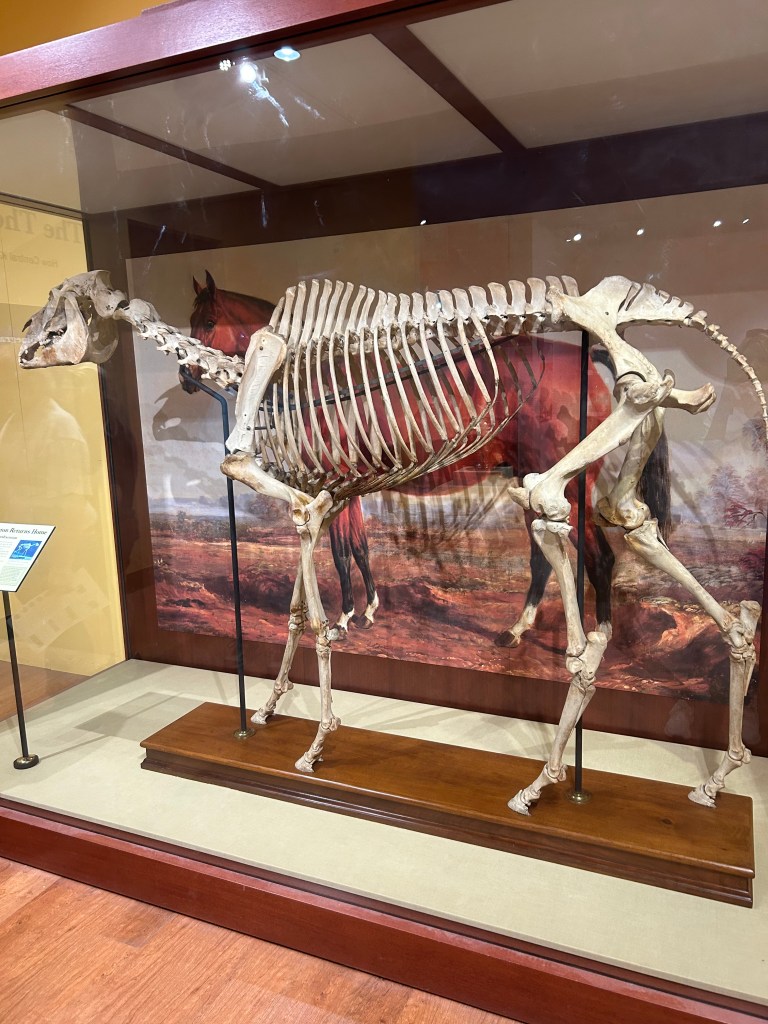
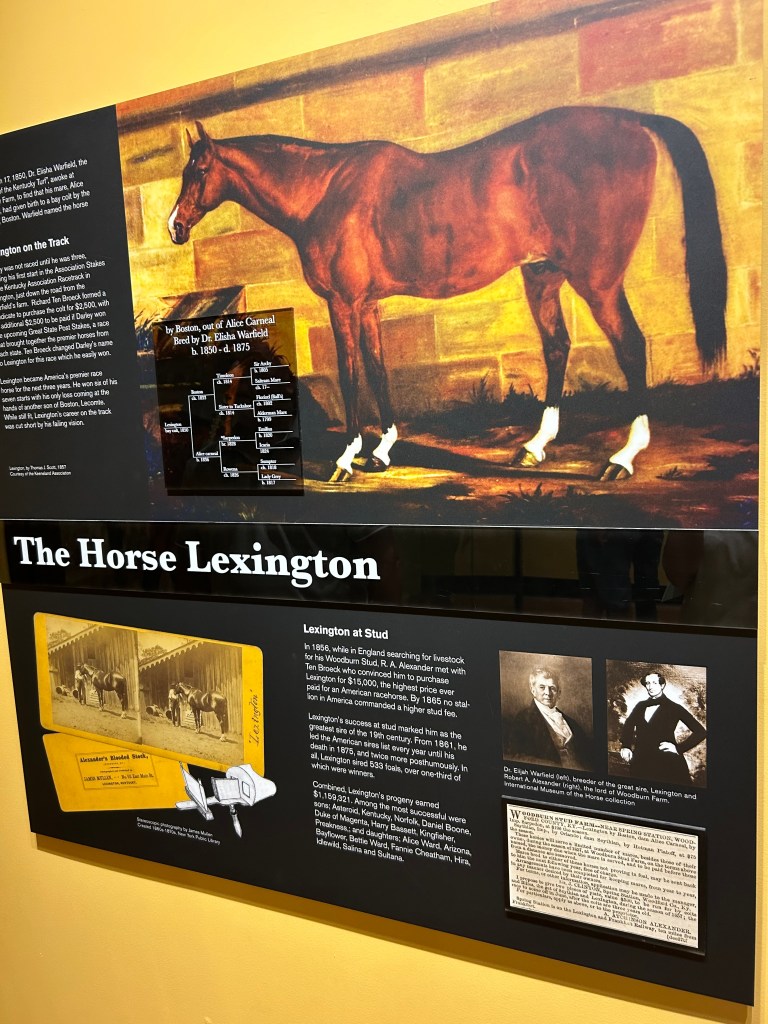
The horse Lexington, who was known as Darly until he was sold, was a real horse upon which Brooks created a a story by interweaving real people and events with her imagination. The result is a book that you don’t want to put down. Well, I didn’t. I’ve listened to the audiobook three times and am getting ready to do so again since I will be sharing information about it with one of my book clubs in October.

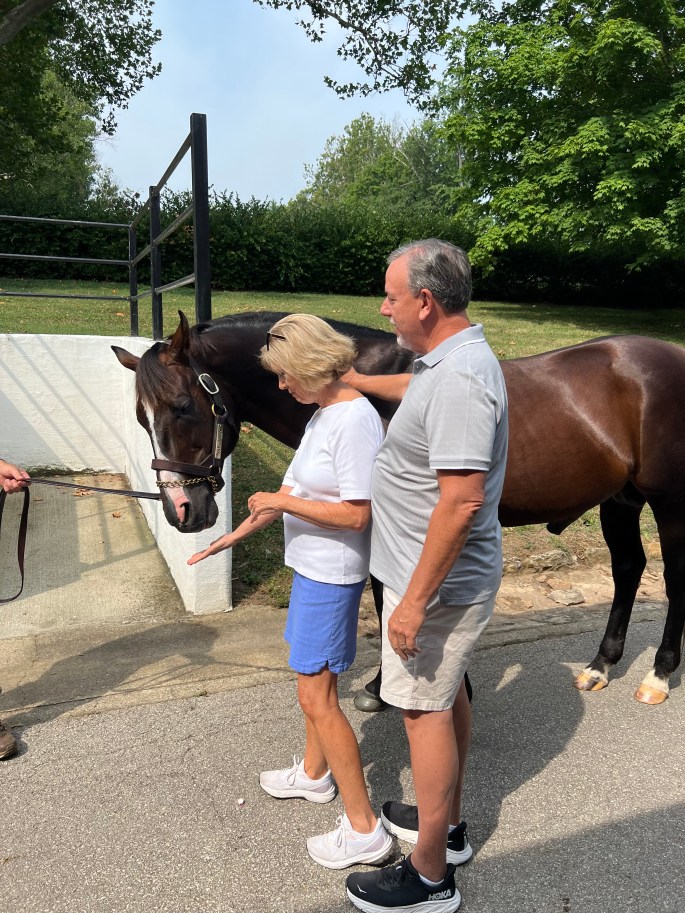
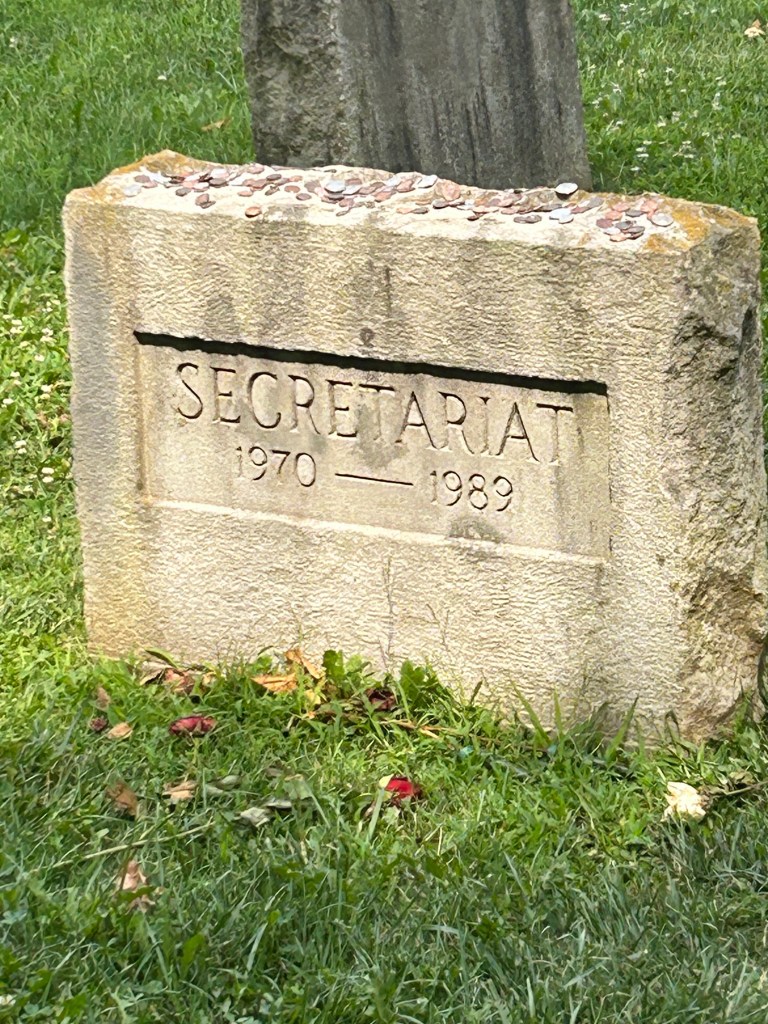
Two weeks ago today, some friends called to see if we wanted to take a quick trip to eastern Kentucky. Along the way, they said, we’d stop at Abraham Lincoln’s birthplace and childhood home and then go on to Lexington to tour Claiborne Farms, a breeding facility where Secretariat is buried. Lexington is only about a four and a half hour drive, so we were up for it. During the drive, I wondered aloud about the location of the International Museum of the Horse, the place described in the book where Lexington’s skeleton is on display. Was it in Louisville or Lexington?

Lexington at the Kentucky Horse Park. I couldn’t believe it. I was thrilled.

Not only did I get to see Lexington’s display, I also was able to pet and give peppermints to two race horses, now used for breeding, at Claiborne. The first horse was worth $11 million. The horse in this picture is worth $85 million.

If you love horses, I encourage you to the read the book. And however you feel about horse racing, you might enjoy touring one or more of the many horse farms in the area as well as the Kentucky Horse Park. I hope to go back someday.

Boredom—the catalyst for discontentment

When I was a middle school principal, the school’s bookkeeper and I agreed that working kept us sane. Our days were full of things we had to do and people with whom we had to interact. We had no time to think about what was troubling us. Sure, there were days that were too long and exhausting, and the human body is not programmed to live like that seven days a week, and our lives are often a case of feast or famine (either too busy or not busy enough), but I’ve noticed in others and in myself that boredom is perhaps more dangerous than being too busy.

I get it. Some of you are never bored. You’re busy with children and grandchildren and maybe caring for a parent from time to time. But we’re all bored at times. Sitting in a doctor’s office waiting too long for an appointment. Sitting with someone in a hospital. Sitting through a long-winded speaker who’s just not very interesting.

But too much boredom leads to crime, unhealthy habits, and depression. Loneliness may play a role in some cases, but even lonely people can find contentment in productive activities. An old saying that dates back several centuries is something like “idle hands are the devil’s workshop.”

We live in a world of need, even here in the United States that is blessed beyond measure. There are always things to do and people to help if we look for them.

I’ve had to learn that lesson. As my regular readers know, I’ve struggled with retirement. Not that I want to go back to full work days, but I have too many empty hours to fill. So I look for ways to fill them.

If you’re struggling with boredom or loneliness, allow me to share what has worked for me:

  1. Try new things. A new hobby, cook something different, invite people over for a simple lunch or a potluck dinner.
  2. Call or visit a shut-in or even just someone who lives alone and is unable to drive. Go to the nursing homes and see how you can help.
  3. Volunteer at your church or find a civic club of which you can be a part.
  4. Be the organizer of activities instead of waiting on someone to reach out to you.
  5. Think of things on your bucket list, and do as many as you can afford or do physically. For me, it was being on the Sirius XM Elvis Radio Quiz Show, participating in the St. Jude half-marathon in Memphis (I mostly walked), and a couple of trips I’d always wanted to do. I’m adding to the bucket list.
  6. Learn something new. With the Internet, countless courses, both free and the paid kind, are available. I’m learning Braille, but I also want to keep my Spanish and French language skills, so I watch videos to keep me from forgetting. Audit a class at a local university.

I could keep going, but you get the idea. Don’t let boredom control you. I’ve been guilty of it more days than I like to admit. But I’m working at it.

What is your passion?

I’m not talking about the passions common to many of us–our faith, our family, our friendships. I’m talking about the hobby that brings you the most joy and never fails to pique your interest.

For my brother, it was fishing, specifically bass fishing. For my husband, it’s sports, especially University of Tennessee sports, NFL Fantasy Football, NBA’s Boston Celtics, and MLB’s Pittsburgh Pirates. For my friend and neighbor Ruth, it’s painting (and she’s very talented). For several men in our church, its’ golf.

“I can’t imagine being so obsessed by a hobby,” I told my husband one day. I wasn’t being critical. I was actually envious. What would it be like to be so enamored with a hobby you were guaranteed never to be bored because you always had something to do that interested you? I’ve been very open that retirement, for me, can be pretty boring, likely due to my circumstances, so I wanted to have that passion, that interest, that diversion from the routine of everyday life.

Today, though, while walking Draco, it hit me.

I do have a passion for something. It goes back to my childhood and is the one activity I never tire of, the one activity guaranteed to bring me entertainment. It makes me laugh, makes me cry, and makes me dream.

Reading. I’ve loved to read ever since I learned how.

When I was growing up, my parents ate breakfast earlier than I did because of my dad having to leave for work before I was up for the day, and I can remember eating my cereal while reading the cereal box. That’s right, I read the Cheerios box just to have something to read.

I was a regular at the local library, and the highlight of my school experience was when the teacher passed out the Scholastic magazines for us to order books. My parents were not the type to buy toys for me unless it was my birthday or Christmas, but they always allowed me to order a book through Scholastic. What a treat!

I read Nancy Drew and Trixie Belden books and every horse book I could find. I read the classics like Black Beauty and Beautiful Joe, and I read Little Women so many times, the cover was worn with use.

I graduated to more mature fare in my teens, and my author preferences have ranged from Janet Daily’s Calder series to Jeffery Archer and John Grisham. My current favorites are Kristin Hannah and Lisa Wingate, and my current favorite book is Horse by Geraldine Brooks. I’m in two book clubs, and what I love about them is I am forced to read books out of my usual genre, books I wouldn’t have read otherwise. Most of the time, I end up enjoying the book and resolve to be more diverse in my selections.

Unfortunately, I can’t hold a book and read it anymore, but fortunately there are other options. I can read e-books (only Kindle books) on my iPad with the font set as large as it will go. While this is manageable, it’s not ideal. There are about eight to 10 words per screen. Plus my reading speed is about like a second grader, so sometimes it’s just not worth the effort.

But audiobooks are available 24 hours a day and only a touch away. I have two apps on my iPad and phone. One is the Libby app through Tennessee Reads. All you need is a library card through your local library, and you can check out e-books and audiobooks as well as magazines. Because I’m considered to be blind, I also have Bard, a service for the blind that allows me to download audiobooks or have Braille books sent to my house, free of charge. Another trick I have learned is if I purchase an e-book on Kindle, Alexa will read the book to me. I can use some accessibility features like Voice Over on my phone also.

So do I have a hobby about which I’m passionate? Absolutely.

Reading, or in my case, listening to books. From the Bible to fiction to biographies to educational to magazines, my world is ever expanded beyond the confines of my home and my community. I can travel to places I’ll never go and visit past and future time periods. I can be a lawyer, a member of the French resistance during World War II, or deliver books on horseback to rural Appalachia during the Depression.

I could go on about the fun and benefits of reading, but this post is already too long. Please don’t misunderstand. As much as I love to read, I don’t want to listen to books all day. I still enjoy other activities and believe in the motto “variety is the spice of life.” But the one constant has always been reading.

What about you? What is your passion?

The Importance of Today

If you’re like me, you’ve heard wise sayings all your life. From “a penny saved is a penny earned” to “life is like a box of chocolates,” we’ve heard plenty. The one, however, that I read in a devotional book or even on Facebook has impacted me the most. I may not be quoting it exactly, but it is basically this: Dwelling on yesterday and worrying about tomorrow robs you of joy today.

What a wise saying.

The truth is, we all think about the past. We remember the happy childhood that seems so perfect now or dredge up past hurts and disappointments that continue to hut us today. We miss the happier times without realizing how lucky we are to have endured the bad times. We plan for the future and worry about finances, our loved ones, our health, and our jobs.

We can be so busy looking back or looking forward, we fail to appreciate where we are right now.

No doubt there are times we don’t want to focus on the now. Going through a health crisis or grieving the loss of a loved one or dealing with a broken relationship can make us long for better days, and that is perfectly normal. After all, we are human, and how we react to negative events is unique to each of us because of our varied personalities and abilities.

But what about all the times when life isn’t hitting us hard and dragging us down? What about the day-to-day events that are part of our routines and irritations? If we could remember that wise saying, could we not do a better job of handling and accepting things that really aren’t that important?

I have been guilty more than I want to admit of failing to appreciate the here and now, and I’m not saying I will never be guilty of it again. But I am sharing these thoughts in the hopes it will remind me, and maybe you, that we really do need to “stop and smell the roses” at times.

My favorite kind of day is a busy one. Whether it’s cleaning house or working in the yard or spending time with my young granddaughters, I love being so weary at night that sleep comes quickly and I can appreciate the bliss of a good night’s rest. When I’m inactive and bored, my mind goes places it doesn’t need to go. I wish for things I can never have, like my vision back or a fun job (I used to imagine myself selling tickets at Graceland so I could listen to Elvis music all day, ha ha) or living in a community with sidewalks and stores I can walk easily to since I can’t drive.

But the truth is, in both situations, I am learning to focus on today and look for the joys it has to offer. I’m doing my best to make the most of each moment and doing my best to help others in whatever small way I can. Doing that gets me out of my own head space.

As I write this, I realize maybe ten people will read it, and that’s okay. But if you, like me, feel the need to learn to appreciate today, I hope this blog is an encouragement to you. Whatever distractions and worries are bringing you down, I hope you can let go of them, at least for the moment.

Embrace today. It’s all we have.