
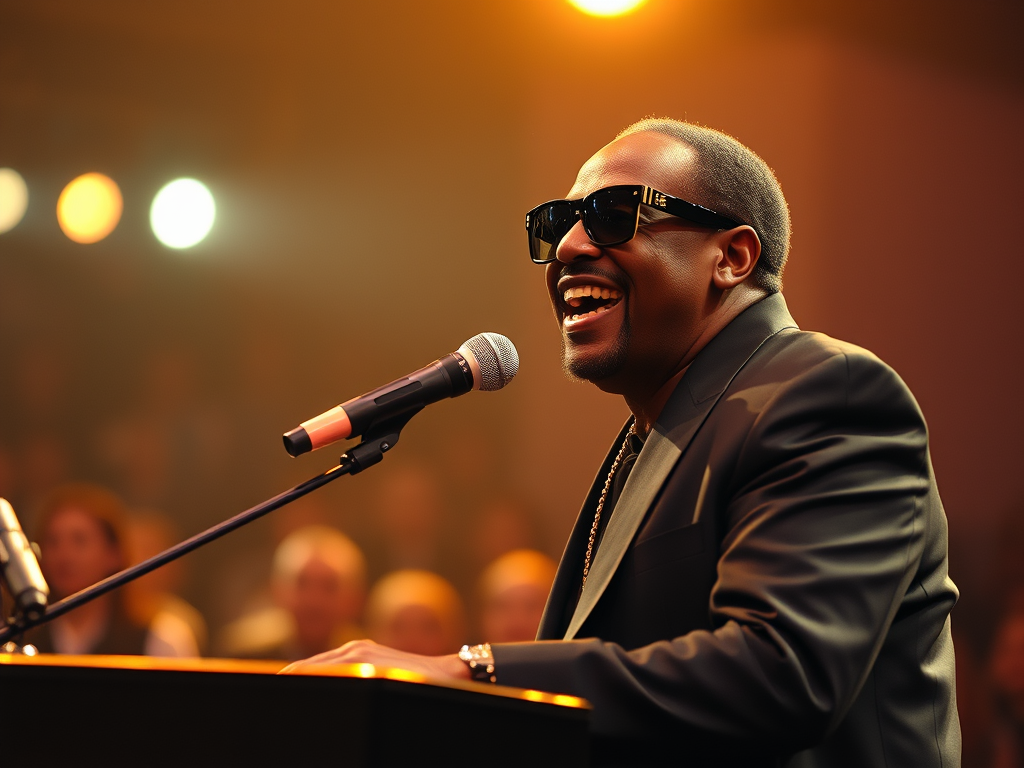
When people think of “blind,” they normally think of someone like Stevie Wonder, who is completely blind due to being born prematurely and lacking oxygen, which destroyed his eyesight.
But completely blind people, meaning people with no light perception at all, only make up 10 to 15 percent of the more than one million people in the United States considered to be blind. The other 85 to 90 percent have some light perception and even some functional vision. Another estimated four to six million people in the U.S. live with vision loss that cannot be corrected with glasses, contact lenses, or medical treatment.
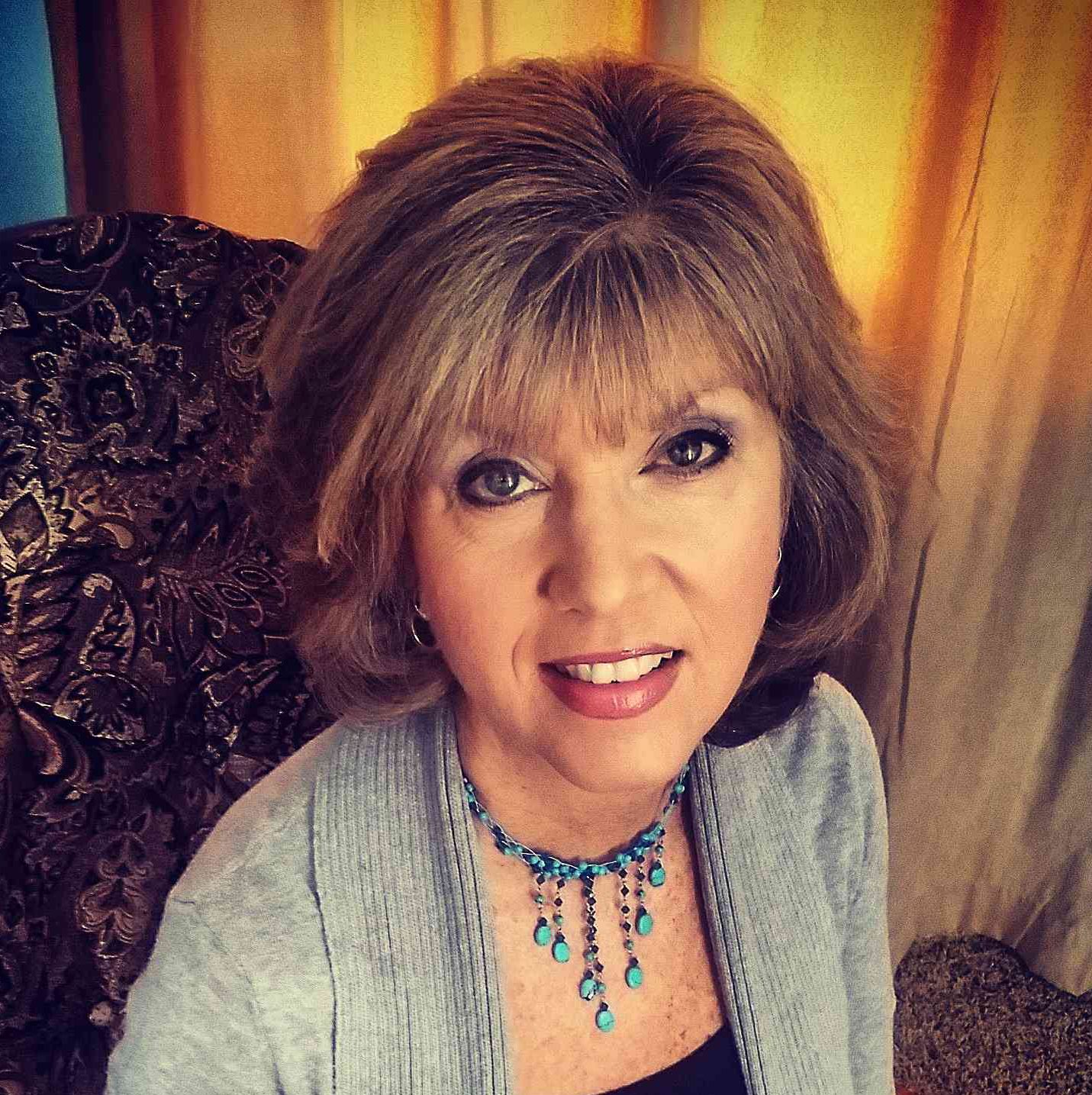
October is Blindness Awareness Month, and since joining that one million in February 2020, I have made it my mission to learn how to live as normally and independently as possible utilizing techniques and assistive devices and apps to enable me to do most everyday activities. I will write about those things next week.
People in the VIP (visually impaired persons) community want those of you who are sighted to understand a few things. First, blindness is a spectrum. It is different for each individual. For me, I have no central vision in either eye and some peripheral loss, and the amount of vision I do have is 20/400 or sometimes 20/300 in the right kind of lighting. My friend Trent, however, has no vision at all in one eye and extremely cloudy vision in the other due to cornea issues. Diane has lost all vision in one eye due to glaucoma, and the other eye is declining rapidly.
I have more functional vision than either. I can see to walk just fine, although I have tripped over objects or dips in the sidewalk/road. I can cook using specialized tools, although I usually have some spills or make a mess. I clean my house, do laundry, do all the normal things a sighted person does.
But I can’t drive, I can’t read. I can’t see people’s faces. I can’t see the house next door if I look directly at it, but I can see it if I look up to the sky or down to the ground (peripheral vision). Like Trent, I have a constant fog, although it’s not as bad as his. I can see a car if it’s as close as 10 yards from me, but my blurry distance vision can only make out shapes if anything at all. Yet I have functional vision. And with the devices I use, I can function very well.
Confused? Of course you are. I would be, too, if I wasn’t on this journey. Sam Seavye of “The Blind Life” on YouTube has a great shirt available that says it all: I can see, but I can’t. It’s complicated.” Yes, it is.
I think I speak on behalf of the VIP community when I say that, as difficult as it is to understand, we have some days of better vision than others. We can do more than you might think possible, but at the same time don’t assume just because my peripheral vision picked up that dirty sock on the floor that I can see what you can. Understand that distance matters. Understand that lighting matters. Understand that contrast matters.
The term for people like me is “legally blind.” You might say you’re legally blind without your glasses, but you’re not. Legal blindness means you can’t see the big E on the chart even with glasses. Legal blindness might mean you only have a 20 degree field of vision when the sighted world has 90. Legal blindness might mean you see nothing more than light and dark.
For most of us, our vision continues to decline. We go along for several days and maybe even weeks and begin to think, “Well, I think it’s stable,” but then there’s a sudden drop. Most of us have had days of depression (or months or years), and we still experience frustration. But we accept. We have no choice.
My purpose in writing this? My mission is to educate the general public, inform the VIP community about ways to live an independent life, and offer support to those new to vision loss so they can have an empathetic ear. It always helps to talk to someone who understands what it is you’re experiencing.
I hope you’ll read my blog next week when I write about the devices I use and some of the apps. And if you’d like more detail, my book Learning to Live with Vision Loss is available for $2.99 as an ebook and $5.99 as a large-print paperback. Sorry, no audiobook, but if you have Alexa, you can purchase the ebook, and Alexa will read it to you.
Thanks for taking the time to read this lengthy blog. Please help spread the word: there IS hope after vision loss.
 Life As I know it