
Blog

Fantasy writer Brett Armstrong talks about his new release

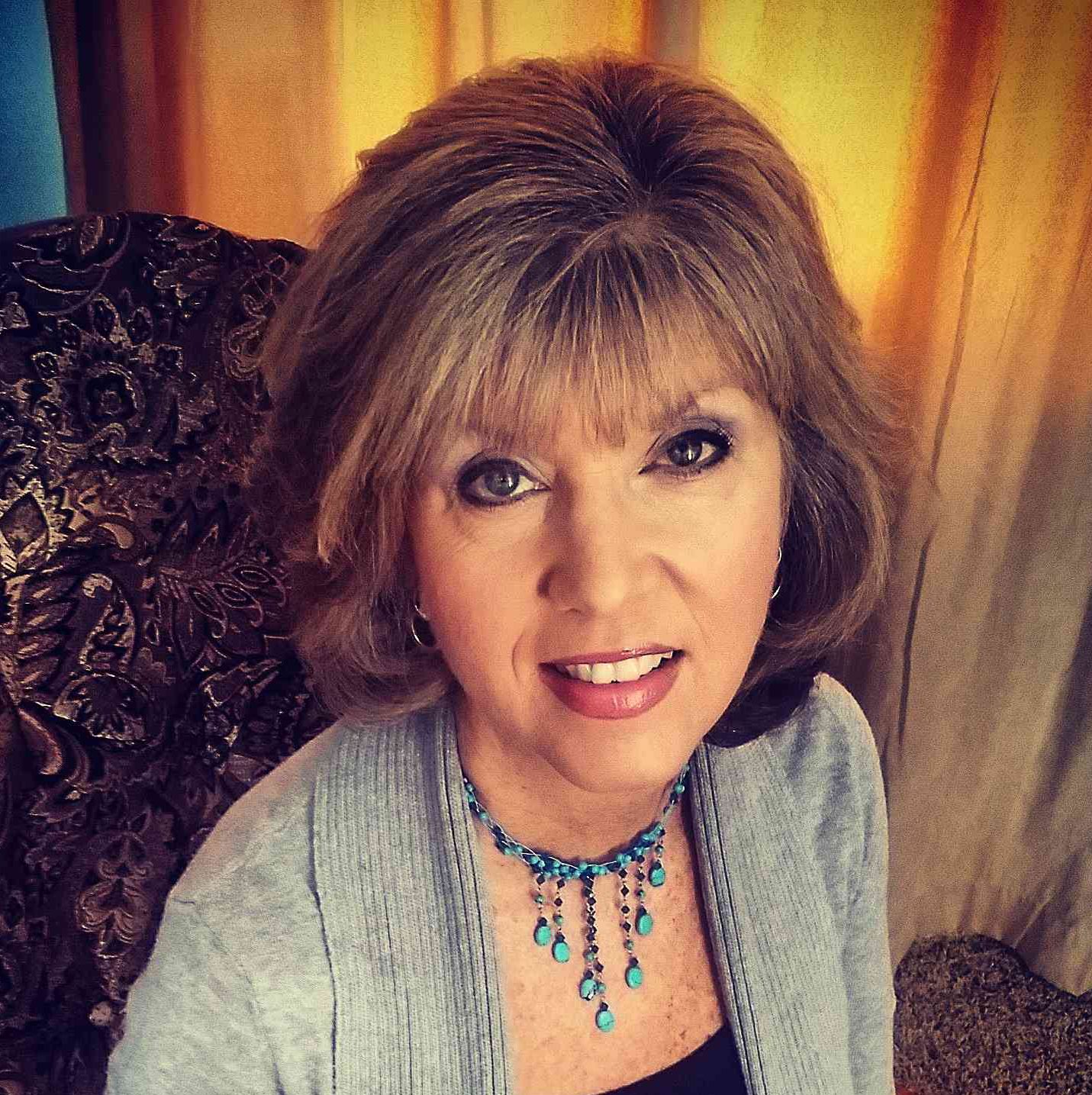
Author-picture-close

Today I welcome Brett Armstrong to my blog. Brett’s debut novel, Quest of Fire, was released this past Tuesday. Brett, when I was a high school teacher, many of my students who loved to read especially loved fantasy. When did your interest in the fantasy genre begin?

I suppose it depends on where you draw the line for fantasy. If you include the legends about King Arthur and his knights, then fantasy was pretty formative for me. I read a lot of the classics as a kid, and the Arthur legends were among my favorites. I also devoured pretty much any modernized offshoot of Arthur legend, like Jane Yolen’s Young Merlin Trilogy. I also really enjoy Star Wars, which is essentially space-fantasy.

The most definitive moment I became aware of fantasy as a genre unto itself was when I saw The Two Towers. I couldn’t even get half way into The Fellowship of the Ring without drifting off to sleep, but after The Two Towers, I was hooked. I saw the extended versions and then read the books and really enjoyed them, they’re almost like poetry. A true epic.

So, the short of it is I guess I’ve enjoyed fantasy since before I can fully remember. I simply wasn’t aware of it until I was in high school, and Lord of the Ringsblew me away.

I am a novice to fantasy, and I have heard the term “speculative.” Can you explain to nme and my readers what fantasy writing is and some of the terms associated with it?

Like a lot of things in the literary arena, some terms mean different things to different people. To a fairly large group of people, fantasy means any sort of medieval era story. Most would qualify that by insisting some form of magic or fantastical creatures—dragons, unicorns, gryphons, etc. —must appear in the story world. Some lump all of science fiction and fairy tales and swords and sorcery and monster stories and medieval-style political thrillers like Game of Thrones into one giant bag as fantasy. There’s a fair amount of differences between Dracula and Star Trek and Peter Pan. That’s why some people use speculative as a term to catch that huge range of fantastical stories in one term.

I mentioned before that Star Wars could quite comfortably sit inside fantasy. It’s got all the trappings of sci-fi, but it really fits better as fantasy. The biggest reason is it focuses less on science itself and more on a central quest. Luke/Anakin/Rey are all trying to do something that requires them to leave a rather mundane desert home and go to exotic places. They face incredible challenges and overcome them heroically. There is a very definite contrast in good and evil, though some fantasy tries to subvert that dichotomy. Then there’s the magic inherent. Though it’s called the Force, Jedi Knights use esoteric powers to complete their quest. Apart from the sci-fi setting and name difference, you really can’t tell the Force and the way it’s used apart from magic. And I think that is the formula for fantasy. Heroic characters leaving the normal behind to accomplish some great task and seeing people/places/creatures and experiencing phenomenon that are outside the scope of our world.

 I was under the impression this was your first novel to be published, but I learned I was wrong! Tell us about your other books and your latest release.

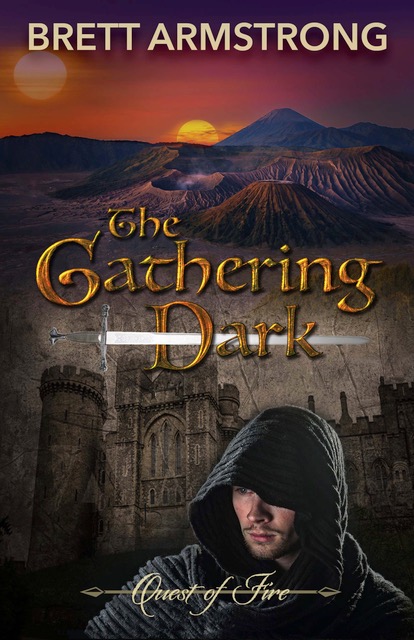
I have two others: Destitutio Quod Remissio (historical fiction) and Day Moon (dystopia/sci-fi). This is my first foray into fantasy though. Quest of Fire is a two part saga told simultaneously. The Gathering Dark is book one and introduces the two threads of history in a place referred to the Lowlands where a teen with a dark past, Jason, hears the stories of another teen who lived long before, Anargen. The Gathering Dark focuses more on Anargen’s story, but as Quest of Fire progresses Jason begins to wonder if those stories were true and whether he’s a part of the very same quest Anargen was trying to complete.

I saw your book trailer. Care to share the link with us so my readers can enjoy it as well?

Absolutely!

https://www.youtube.com/embed/t3KEBnl7E80?rel=0

 What other writing have you done? Do you have another work in progress?

Right now I’m finishing up on a sequel to Day Moon. I’m hoping to have the edited manuscript to that publisher in a couple weeks. I actually have a trailer forDay Moon, too, to give people an idea what it’s about: https://www.youtube.com/embed/n8RdGQ6jQiE?rel=0.

I’m also working on Quest of Fire book 2 and its companion novella. Though it’s got competition from another fantasy project I’m excited about that I call The Dead of Zarim. I don’t want to take up too much space here, but if anyone’s interested, they can read about it on my website’s works-in-progress page:https://brettarmstrong.net/works-in-progress/

 Writing is challenging, especially finding the time. How do you manage to work writing into your schedule?

Sleep deprivation. For the most part. I try to squeeze it in on breaks at work. That’s one reason working on multiple books at once helps me. There’s always an interesting scene to write in one book or another. Having a compelling tether to a story helps the words to flow. Which is important because most of my day is taken up by work (I’m the infectious disease data manager for the state of West Virginia), playing with my little boy (who is a hurricane of silly and sage at the same time), and making time to just be with my wife once our little guy nods off. If I outlast my wife, which I usually do, I can eke out about an hour before midnight or two to three if I’m willing to be a zombie the next day.

 What lessons have you learned during this process that you were unaware of prior to being published?

I think I’d need a book’s space just to tell it all. I knew nothing of publishing as an industry or subculture before my first book won a contest with CrossBooks (a former imprint of LifeWay), and I leapt into it. Marketing was, of course, a weak point for me, but there are other things. Getting acclimated to best practices in writing for the market has been a major challenge. I’m one of those writing is art first, craft second, and a shared journey types, so realizing that there were some extra things to pack for the shared journey part really threw me. But mostly, I don’t do a great job of being a salesman.

 Please share below any social media or website links so readers can stay connected with you. Thank you, Brett, for your time!

Amazon E-Book:  https://www.amazon.com/Gathering-Dark-Quest-Fire-Book-ebook/dp/B07QTF5KRX/

Facebook:       https://www.facebook.com/brettarmstrongwv

Twitter:        https://www.twitter.com/BArmstrongWV

Instagram:      https://www.instagram.com/BrettArmstrongAuthor

Pinterest:      http://www.pinterest.com/ChristianKid044

Website:        https://BrettArmstrong.net

GoodReads:      https://www.goodreads.com/author/show/8281587.Brett_Armstrong
QOF-TGD_Cover


Why I write what I do

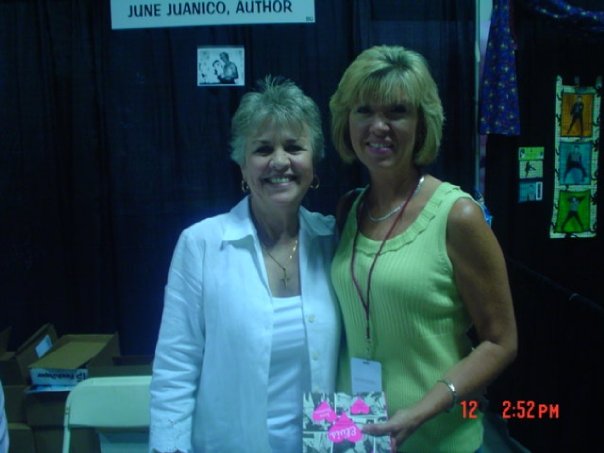
Pam and June Juanico

Years ago, I was at an expo and met June Juanico, who was one of Elvis Presley’s girlfriends in the 1950s. At the time I was  a middle school principal and had no time for writing, so I was not yet a published author.

But an author was what I’d always wanted to be. June wasn’t an actual author. I’m sure she had a ghost writer, someone to put her memories into words for an enjoyable read, which he/she did.

I had written for newspapers and magazines, but what I really wanted was to write fiction. And me being who I am, I couldn’t write mainstream fiction if it meant writing sex scenes and using profanity in dialogue. That’s now who I am.

So I discovered the genre of Christian fiction. That genre is pretty broad, but I learned Christian fiction can be something as simple as no sex scenes, no profanity, and characters that acknowledge God in some way. Think of “Little House on the Prairie” and you get the idea. Clean books. Books I felt comfortable writing.

My first book was The Ghosts of Graceland, a mystery targeted to girls ages eight to twelve. It is set in Memphis, in a neighborhood behind Elvis Presley’s estate, and is a mystery as well as a book dealing with family relationships. The second book in the series, Music City Mayhem, takes Mandi and her twin to the world of country music. Both books are available on Amazon for 99 cents as ebooks and $6.99 as paperbacks.

My third book was Aimee, an 1895 Arizona wilderness story, was harder. The publisher sent it back. It wasn’t interesting. Didn’t grab attention. So I rewrote it. Resubmitted it. This time it was accepted.

Okay, I’ve bored you with talking about my books. I haven’t told you about all of them, just the early ones. What is my point?

Well, the first is that writing is harder than I thought it would be. You truly do have writers’ block. You get stuck. You write poorly at times. Your pride can be hurt by critiques and rejections.

Because you don’t go to an office to do you work, your friends and family don’t always understand that you need to keep regular hours for writing just as you would for any other job. They don’t realize how slow the process is or how much rewriting takes place. Rewriting and rewriting.

I work as an editor, too, so sometimes my own writing has to take a back seat to the project at hand, the one needing to be published.

In spite of all that, I continue to write because I love it. I love creating stories because so many story ideas play about in my head all the time. I’ll never be a John Grisham or another best-selling author, but maybe I have a small fan base who enjoys my work.

And if I bring a little enjoyment to someone while using my creative energy, that’s okay with me. Sure, I’d love to be hugely successful with my books on some best-seller list, but if not, well, that’s okay. Thanks to Mantle Rock Publishing, I am an actual, not self-published author. I have achieved the dream I’v had since I was seven years old.


Easy peach cobbler with a touch of cinnamnon

round orange fruits
Photo by Markus Spiske temporausch.com on Pexels.com

Don’t let the photo fool you! Fresh peaches won’t work for this recipe. If you’re not the best at baking, you can make this quick and easy cobbler with no extra help. No mixer needed, just a wooden spoon and a whisk. It is a hit with friends and family and a common dessert at pot lucks!

Ingredients:

1 large (28 or 30 oz.) can of sliced peaches in heavy syrup (this is important–not juice or light syrup)

1 stick butter, melted

1 cup of sugar

1 cup of self-rising flour

1 cup of milk (whole or 2%)

2 teaspoons of vanilla flavoring

Sugar and cinnamon

Directions:

Preheat oven to 350. Place butter in a glass (not metal) casserole dish (9 x 9 or 11 x 9) and place in oven until butter is melted. Remove from oven and add one cup of sugar. Stir with a wooden spoon. Add one cup of milk and whisk until blended. Add vanilla flavoring and stir well. Add one cup of flour and whisk until flour is well mixed into other ingredients. Stir in peaches and juice with spoon until well distributed in the dish/batter. Bake at 350 for approximately 40 minutes. Remove from oven and sprinkle sugar and cinnamon on the top, about four tablespoons of sugar.  Add cinnamon to taste, just a light dusting on top of the sugar. Place back in the oven and cook for five to ten minutes. Cobbler is done when toothpick inserted in batter comes out clean, but 50 minutes should be long enough.

Serve warm.

How will people remember you? The same way they think of you now.

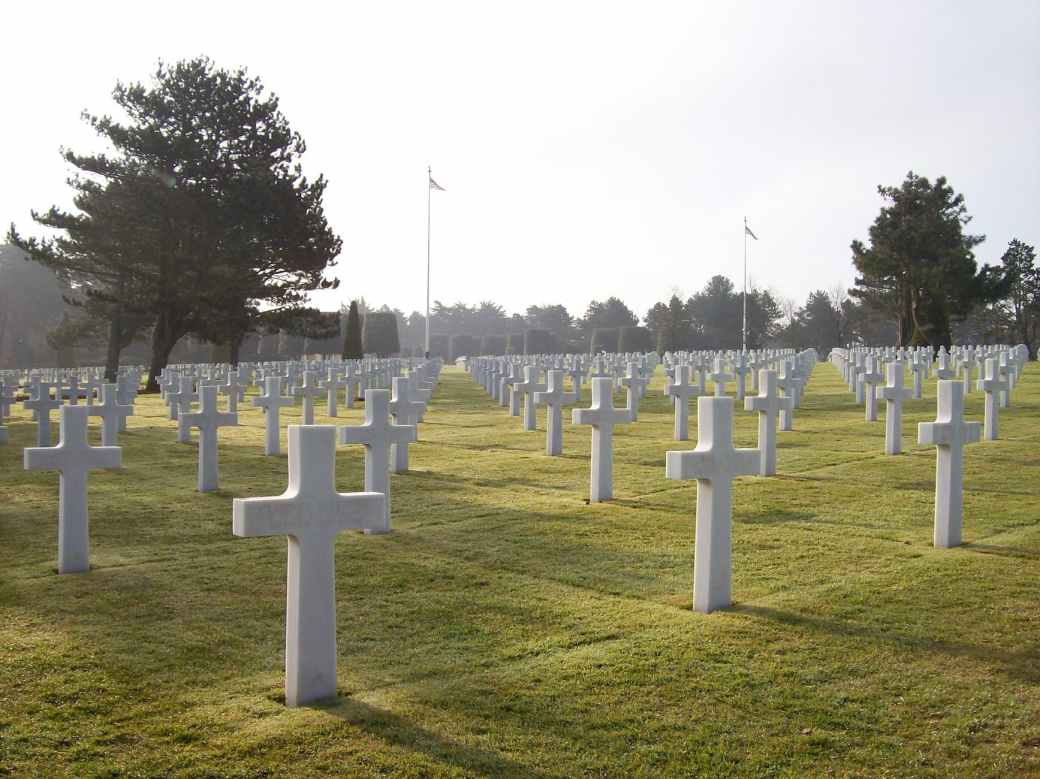
d day cemetery
Photo by Veronika Valdova on Pexels.com

It’s a morbid though, I know. No one want to think about death.

But the reality is it will happen. As you get older, you think of it more. Those of us who have lost parents or who are caregivers for elderly parents think about it. You can’t help it because the reminder is always there.

Yet today I’m not thinking of death as much as I’m thinking of people. Who we are, how we behave. What makes some people kind while others are not? What makes some people angry while others are calm? What makes some people selfish while others are giving?

The truth is, we all have elements of our personalities that need improving. The other truth is that a lot of people simply don’t care how others perceive them.

Will people miss you when you’re gone? Will they have fond memories of you and your time together? Or will they be unaffected or worse yet, relieved when you’ve passed from this life?

That’s a harsh question, but it bears repeating. Will people be relieved when you pass from this life? Are you so obnoxious or overbearing or hard to get along with that your very presence in a room saps the life out of everyone else? Are you the type that uses sarcasm to bring others down to the point they don’t want to have a conversation with you? Do people avoid you?

Maybe you don’t care about how others think of you or how they will remember you. But if you do, maybe you (and I) would benefit from examining how we behave now. How we treat others. The words we say, the things we do.

If we strive to be kinder, more helpful, less temperamental, more caring, not only will others notice, they will feel fortunate to have us as a friend or family member. We will enrich their lives instead of tearing them apart. We will be better husbands, wives, children, parents, co-workers, fellow church members, club members, etc. Our presence in this world will make a positive difference instead of a negative one.

And we will be remembered in a good way. Something to think about.

Retired educator and author Rebecca Waters talks about life, faith, and writing.

Becky

Welcome my guest, Rebecca Waters, to my blog today! Rebecca, tell us a little about yourself.

Thank you, Pam. I think I have always been a writer. (My first story was published in the school newspaper when I was in second grade.) But my journey to make this my profession was a long one. I was a wife, mother, and teacher. Then I was a mother-in-law, grandmother, and professor.   I came to be a published author when I retired from the university. I’ve lived in the South and in the North. I’ve lived abroad. Each experience brings with it growth as both a believer and a writer.

When did your writing journey begin? 

Apart from the aforementioned second grade experience, I became serious about writing when my husband and I decided to retire. He said he was going to fish and golf every day. I like to fish and I like to golf. But every day? No. I prayed about it, woke up one morning, and told Tom I was going to be a published author. I developed a business plan for my writing during the college spring break. And I have never looked back.

What authors, if any, serve as models for the books you write or would like to write?

I read everything from John Grisham to Cynthia Ruchti. And I love them all. 

How important are writers’ groups to you? What about attending conferences?

I am a part of two writers’ groups. One is  a face-to-face group and the other is an online group. The smaller face-to-face group is made up of Christians. This is where I can get help at any time. Struggling with a situation, name, scene? They are there to read and give me counsel. They are good at editing and critiquing. I depend on them to grow as a writer and put my best work out there. The other group is online and has members from all over the world. They offer a different perspective and they will challenge me in ways I don’t always consider. For example, I had written a scene where a man ran out of the church at the first strains of the doxology. A critique partner from that group didn’t know what a doxology was. I try to remember that when I write. I don’t want to use language people can’t understand if they are not part of the church community.

As for conferences…They are a necessary tool for any serious writer. I did the research when I wrote my business plan. I included time at a conference as part of my plan. I learned stuff at that first conference I still use today. And I pitched my first novel, Breathing on Her Own, at that conference. The conference was the end of May, and I received a contract for the book in August. Conferences are a must.

Every author has his or her unique way of handling the writing process. John Grisham wrote his first book on a legal pad while waiting for his turn in court, and Danielle Steele always set a 20-pages-per-day requirement. What works for you?

Once I have the concept for the story, I create eight to ten scene cards. I plot those cards using an old calendar (Don’t you hate it when someone got so lost in their story they have a character picking apples on their farm in what could only be winter?) Once I have that down, I write from scene to scene. It doesn’t take long before the story takes on a life of its own.

What book would you like to talk about today?

My newest novel, Libby’s Cuppa Joe is scheduled to release (drumroll) tomorrow! March 8. I am really excited about this book. It takes place in Door County, Wisconsin. The main character, Sonja Parker, is sweet and identifiable but terribly flawed. She has lived under the umbrella of her parents’ faith, not her own. She makes blunders—some small and one big one until she finally comes to understand God’s love for her in a very personal way. One of my favorite parts is when she compares a quilt her grandmother made her to the way God takes the fragments of our lives to piece together something useful and good and yes, even beautiful.

Here is the buy link if you’re interested:

Christian fiction is a broader term than people realize. Some writers incorporate Scripture, salvation themes, and ideas aligned to church doctrine. Others write clean stories with a Christian world view. How would you describe your books of this genre?

Well, I’m something of a mix. My work is coming from a Christian world view, indeed. But it is sprinkled with scripture here and there.

People sometimes ask me how I get ideas for my books. I always tell them I have more ideas than time and ability to write them all. What triggers ideas for you?

I’m with you on that one, Pam. I keep a running list of ideas. Most of my work is sparked by conversations or travel. All of it seems to start with “What if?” What if that were me? What if that happened to my daughter? That sort of notion.

Marketing is essential for a writer’s success. How do you market your books?

The key to marketing is, of course, visibility. People have to know it exists before they can even think about buying it. Social media is powerful I tweet nnd use Facebook and Instagram to let people know about my books. But I really love connecting with readers personally. I do a lot of talks for women’s groups and such. (Hey, feed me and let me talk about God and my own journey and I’ll show up!)

What other books of yours have been published? Do you have a work in progress right now?

Breathing on Her Own was my first novel. I also have a novella in an anthology called From the Lake to the River, Several contributions to Chicken Soup for the Soul, and three ebooks for newbies to writing: Designing a Business Plan For Your Writing, Marketing You and Your Writing 101, and Writing with E’s.

Just for fun, tell us your favorite:

Color: Today? Light blue

Meal: Anything Italian

Movie: Legally Blond (Don’t ask…I have no idea why I like it but I do.)

Book: The Firm by John Grisham

Vacation spot: Anywhere with a beach

Hobby: I like a number of crafts and built each of my granddaughters a dollhouse for Christmas this past year.

How can we keep connected with you:

Drop by my website and read my blog at http://www.WatersWords.com

I have a FB page. You can find it at RebeccaWatersAuthor

And my Twitter handle is @WatersAuthor

Is there anything you’d like to add?

My first book was published in March of 2014. Seven months later my husband died in a bicycle accident. I couldn’t write. I didn’t have the energy to even seek publication of books I had completed. I thought I was letting God down. Now I realize he gave me those “works in the mill” because he can see around corners. He knew it was Tom’s time. He knew I would be living in a fog for a while and unable to write anything. So He gave me those books before I lost Tom. My point is this: God has your back. Trust Him. He’ll never let you down.

Thank you, Rebecca, for sharing your writing journey, your personal experiences, and your faith. Best wishes as your writing journey continues!


A tasty recipe using ginger from authorSusan Page Davis

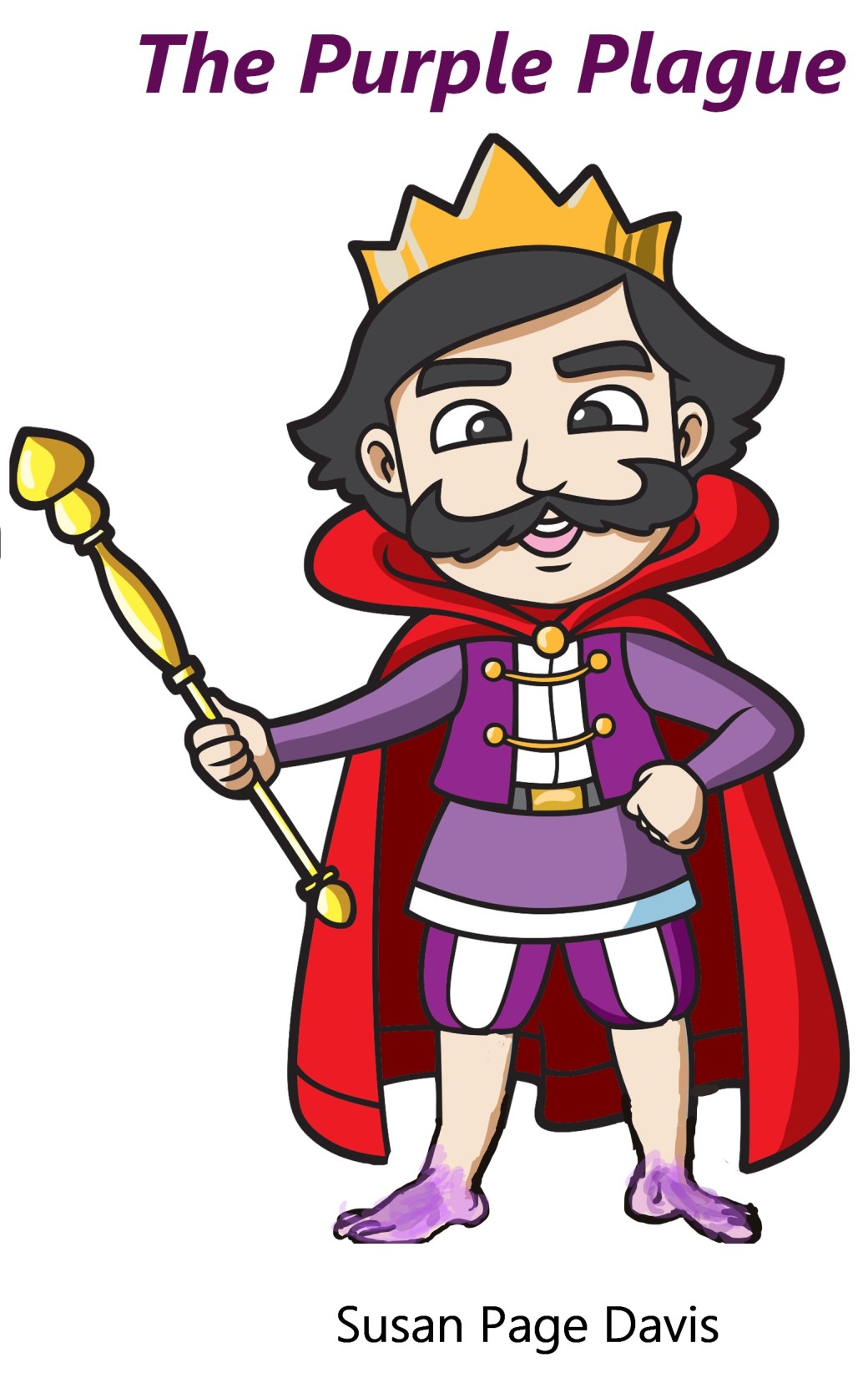
Purple Plague FinalLast Thursday I featured author Susan Page Davis on my blog, a multi-published author whose newest release is a children’s book, a fairy tale. If you missed the interview, check it out. Today she shares a recipe from her sister that will undoubtedly please the kids as well as the kid in you!
Ginger Chews
1/2 cup butter, softened
1/2 cup Crisco (I use butter flavor)
1 1/4 cup light brown sugar
1/2 cup molasses
1 teaspoon vanilla
1 egg
Cream till fluffy

Sift together:
2 1/2 cups flour
1/2 tsp. salt
2 tsp. ginger
1 tsp cinnamon
1/2 t. cloves
1 tsp. baking soda
Add to creamed mixture

Roll in balls (1 inch or so)
roll in sugar (I use equal parts brown & white for this)
Bake at 350 (or a little higher) for 10 minutes.  Let sit on pan for a minute or two
before moving to racks.
Melt 1 cup white chips and drizzle over cookies when they are cooled.
Makes 3-4 dozen depending on size of cookies.  Adjust time depending on time.


Multi-published author Susan Page Davis talks about writing and her newest venture.

Susan Page Davis cropped

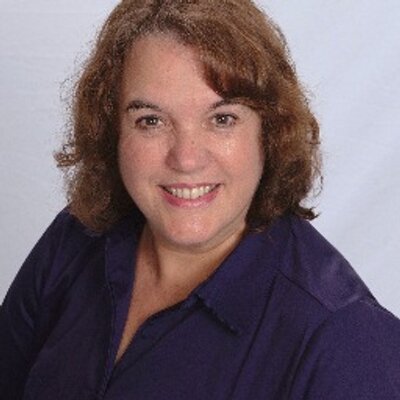
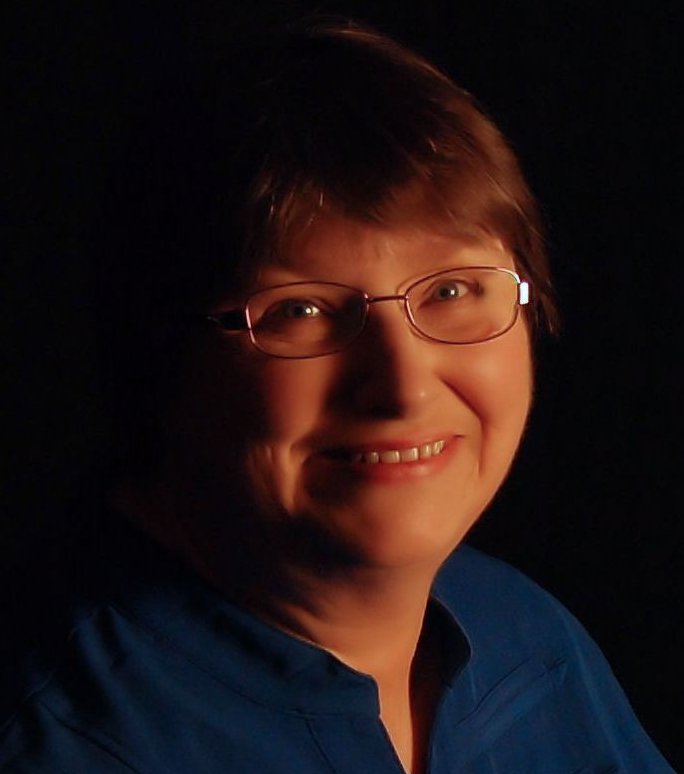
I welcome multi-published author, Susan Page Davis, to my blog. Susan, tell us a little about yourself.

I’m a native of the state of Maine, but when my husband retired we moved to western Kentucky. We have six grown children and ten grandchildren. My hobbies include needlework, reading, and family history.

How did your writing career begin?

I used to work as a newspaper correspondent. Then I started branching out into magazine articles. After I wrote my first novel, but before it was published, I sold quite a few short stories to magazines like Woman’s World and Alfred Hitchcock’s Mystery Magazine.

What was your first “big break” in having your fiction published?

One evening I watched a television program I enjoyed, but I wasn’t happy with the way it ended. I kept thinking, “They should have done this.” I kept returning to it in my mind, and after a while I was plotting out a story. It had nothing to do with the television program that sparked it, but I invented my own characters and had them working on a totally different mystery and ended it in a way I found satisfying. After a week or so, I said to my husband, Jim, “I have a story in my head. It’s complicated, and I think it may be a book.” His reply: “You have to write it down.” That summer he took over the grocery shopping and shuttling the kids to karate and other activities, so I would have more writing time. This was during the time I worked for the newspaper out of our home. To my surprise, by the end of summer I had a complete 100,000-word novel. That one (The Priority Unit) didn’t get published for a long time, but after realizing I could write novels, I never looked back. Four years later, my first book (a historical romance, Protecting Amy) was accepted by a publisher.

What genres have you written, and how many books have you had published?

I now have more than 80 books published. They run the gamut from romantic suspense to a couple of children’s books. I have the most titles in historical romance, cozy mystery, and romantic suspense.

The book we’re talking about today is a new venture for you, I believe. Tell us about it. What inspired it, and what is it about?

The Purple Plague is a fairy tale without fairies or magic—a medieval-style “once upon a time” type story. It’s fun to read with kids. I know, because I tested it on my own grandchildren. I started writing it about 12 years or so ago, at a writers’ group in Maine. We were all given a few items to include in a short story for the next meeting. One was the color purple, I remember that. Also a boat, and maybe a ladder. Beyond that, my memory fails me. Anyway, I started writing this story, but I didn’t finish it at the time. 

     Alaric, a cook’s helper in the palace, is the only one who doesn’t get sick with the Purple Plague. The king’s evil brother chooses this time to oust the king and take over the throne. He throws the king in the dungeon. Alaric wants to rescue the king, but he’s too short to reach the key to the dungeon. He has to get creative to help his sovereign.

      The group loved my premise, and I tucked what turned out to be about half a story into a folder. Years passed. We moved to Kentucky. Many, many books were published. 

      Then a few months ago, I was looking online at a calendar of special days. I noticed that February 26 was National Tell a Fairy Tale day. That struck a chord with me, and I remembered The Purple Plague. I found the folder in my file cabinet, and I decided to finish the story and publish it on Feb. 26. Over Christmas, seven of my ten grandchildren visited, and I read it to them. They liked it a lot, and they were able to give me a few suggestions for making it better. On February 26, I published my story. I hope you and the children in your life love it!

Purple Plague Final

I often ask writers about their routines. Do you use an outline approach, a “pantser” approach, or a combination of both?

I started out as a pantser, but my first publishers required a detailed synopsis before they would even look at a book, so I was trained to do that first. Now I find it very helpful to start with careful planning. I also realized that even in my “pantser” stage, I was doing a lot of mental planning. I just wasn’t writing a formal synopsis, so I told myself I was working seat-of-the-pants. But I was actually doing my outlining in my head. Not planning well enough got me into literary trouble a couple of times, so now I don’t launch a new book without a synopsis.

I have heard that established writers are often able to query without having completed the entire novel before a company agrees to publish it. Has this been the case for you?

Yes, that’s true with companies I’ve worked with previously. If I haven’t worked with them before, I still need a complete manuscript.

Which resources for the craft of writing are your most helpful? Books, conferences, writers’ groups, anything else?

I have a lot of books that I use, and I turn to them often. I also do a lot of online research. Websites like timeanddate.com save me a lot of time and headaches. I can print out calendars there for any year or month, and it can tell me what the phase of the moon was on a particular date.

 Two of my favorite books are English Through the Ages and The Timetables of History. The first, ETTA, tells me when a particular word came into common usage, which is a big help with my historical novels. TTOH helps me if I want to quickly look up something like important happenings in a particular year or decade. For example, I can look in the Literature and Art column and see what books came out recently, so I don’t have a character in the 1880s reading something that didn’t come out until 1895. And it helps me rough out my story against a background of historical events.

One of the hardest things for writers to accept is a developmental edit that takes out a favorite part. Describe how the author-editor relationship works with a large publishing house.

It’s different at each house. Sometimes the editors are quite cut-and-dried in their editing methods. They take what’s submitted and shape it to best fit their standard. At other publishing houses, the editors work with the authors more in developing a story before the author begins writing, but that’s usually when you’ve worked with a house quite a bit and they know what they’d like to see you produce next. If you stick with one house for a while, you will develop a closer relationship with the editors there.

Do you have any works in progress right now?

Always! I just finished the first book in a historical series that my agent is marketing, and I’ve started a new mystery. I also just re-launched a novella that was reverted to me, Love Comes to the Castle. 

https://www.amazon.com/dp/B07NJ7891C/ref=sr_1_1?keywords=love+comes+to+the+castle+davis&qid=1549669031&s=Kindle+Store&sr=1-1-catcorr


Please share below how we can stay connected with you.

Visit my website at: https://susanpagedavis.com

You can sign up for my occasional newsletter there, enter my monthly drawing for free books, and read a short on my “Freebies” tab.

Find The Purple Plague at: https://amzn.to/2Gl1zpL 

My Facebook author page: https://www.facebook.com/pg/susanpagedavisauthor 

Thanks, Susan, for answering my questions. I’m looking forward to reading your newest book!

“Between you and I”––if you don’t know what is wrong with that phrase, maybe you should read this.

20190221_070227

As a licensed high school English teacher and editor for a publishing company, I often joke about being part of the grammar police. My English teacher son is even more so, which is why I had to buy this coffee mug for him.

I’m not saying my grammar is perfect. As an editor, I am constantly double checking and researching. I make mistakes. But I am hearing public speakers, news anchors, and others in the media making some common mistakes, and it makes me cringe. They’re professionals. They are supposed to know better.

The following list is to help writers and others interested in using correct grammar. My motivation for sharing is to help, not condemn.

  1.  The phrase “between you and I”  is wrong. It should be “between you and me.” People use “I” because they think it sounds correct, but “between” is a preposition. Here is a list of pronouns used after a preposition: me, you, him, her, it, us, and them. You wouldn’t say “between we.” You would say “between us,” right? The other night I heard someone say “with (name) and I” on television. Yikes! “With (name) and me” is correct. One trick to help you decide is to eliminate the other noun or pronoun. For example, when trying to decide whether to say “to you and me” or “to you and I,” eliminate the “you.” Does it sound right to say “to I?” No, it doesn’t. So don’t use it in the compound object. The correct phrase is “to you and me.” There are too many prepositions to list, but you can go online and search for a list. Keep it handy for reference.
  2. It is correct to use “I” as part of a compound subject. For example, “Johnny and I went to the game.” Subject pronouns, whether used as single subjects or with other nouns or pronouns, are: I, you, he, she, it, we, and they. Some of you may wonder why I am including such a simple rule. Well, I taught high school. You’d be surprised how many seniors said things like “Johnny and me went to the game.”
  3.  Fiction writers, journalists, and bloggers have the freedom to use incomplete sentences for effect, so the rules for writing essays don’t always apply. When I am editing a book, if a writer has written something like “No reason to go there,” I leave it alone. It is just an effective way of writing the story. But if a writer has written a complete sentence, I want it punctuated correctly. The most common mistake I see is comma placement with sentences containing “and” or “but.” Read point four to continue this thought.
  4. Incorrect: Maggie walked into the kitchen, and went straight to the refrigerator. Correct: Maggie walked into the kitchen and went straight to the refrigerator.” Why is the first one incorrect? The subject is still “Maggie.” There is no new subject after “and.” The way to determine if the comma is needed is to determine if the phrase after “and” can stand alone. If it can, it needs a comma. If it can’t, it doesn’t. So in the first example, can “went straight to the refrigerator” stand alone? Of course not. Let’s change the sentence with a subject. “Maggie walked into the kitchen, and she went straight to the refrigerator.” “She went straight to the refrigerator” can stand alone, so the comma is needed.
  5. What if there are more parts to the sentence than two? Correct: Maggie walked into the kitchen, went straight to the refrigerator, and pulled out a bottled water.” In this case, the commas are needed because of a series.

Grammar rules and style manuals evolve as our culture evolves. Some of the rules we were taught in school no longer apply. For now, however, the issues I addressed hold true, so I hope it helps!


My mother-in-law’s easy cheesy crescent chicken recipe is quick and tasty.


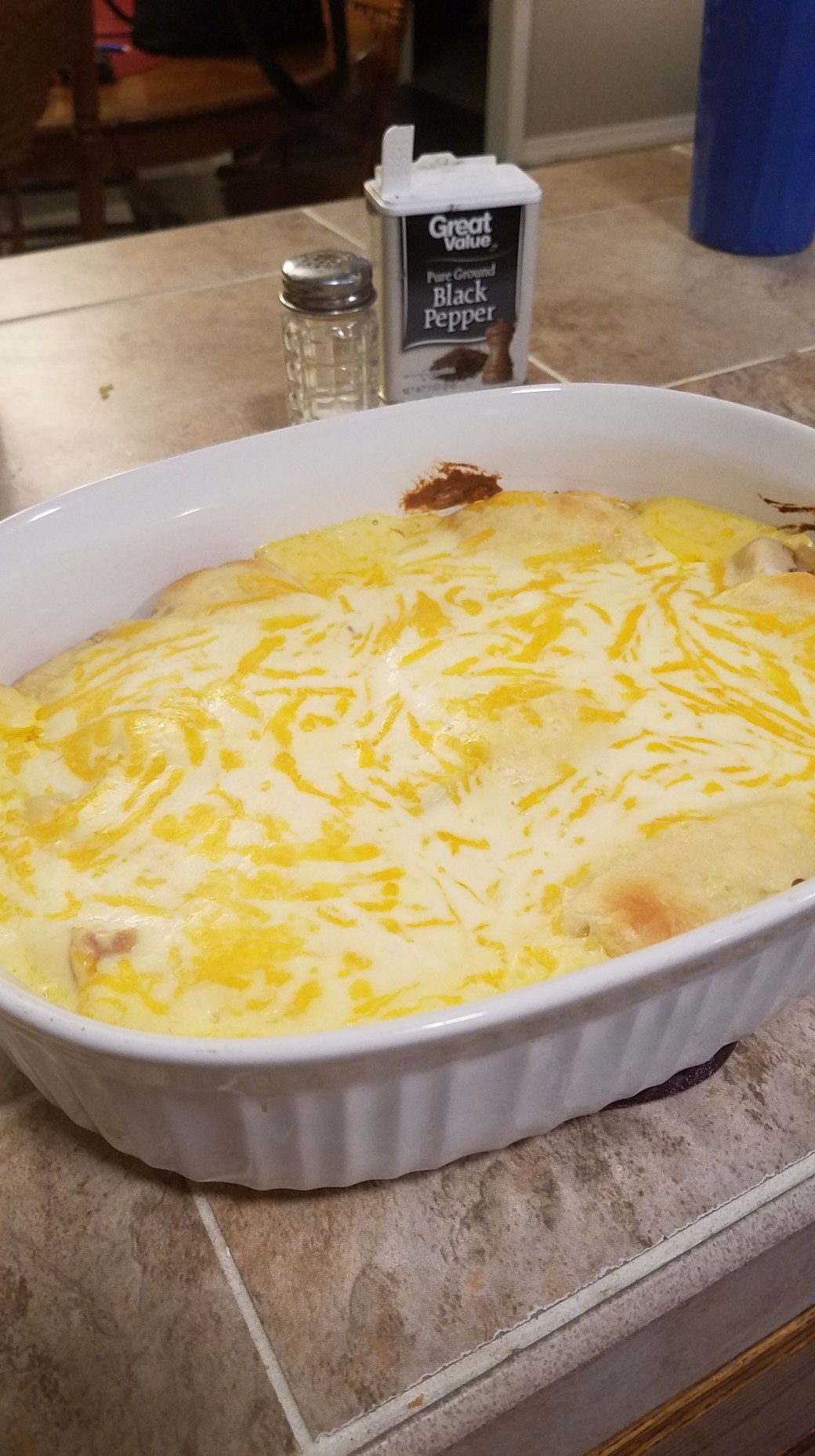
20190218_180020My mother-in-law passed away in 2017. There are so many wonderful things I can say about her. She was the perfect mother-in-law. She wasn’t bossy, didn’t interfere, was always available to help, always soft-spoken and kind. I am sure she had her opinions about things, but she either kept them to herself or expressed them diplomatically. And, to top all of that, she was a phenomenal cook.

She was constantly searching for new recipes. Magazines, cookbooks, the internet, friends. She loved to experiment. Some things flopped (due to the recipe, not her), but most things she tried out were a hit.

I have no idea where she found this recipe, so I am unable to give credit where credit is due. But if you need a quick, tasty meat dish for dinner, you might want to try this one out. It is sure to be a hit with cheese lovers.

Ingredients:

one small package of chicken tenders (eight tenders)

one can of crescent rolls (Pillsbury is the best, the off-brand ones fall apart)

one can cream of chicken soup

8 ounces of sour cream

one cup of grated cheese

Directions:

Boil chicken tenders on medium high heat for ten minutes. Drain and cool. Preheat oven to 375. While oven is preheating, mix soup, sour cream, and cheese in a bowl. Coat a casserole dish with cooking spray. Separate crescent rolls and roll each chicken tender in one roll. Place in casserole dish and top with soup mixture, spreading over the top with wooden spoon or spatula.

Bake for 25 to 30 minutes, until crescent rolls are slightly browned (the part showing above the soup mixture).


So much to see! So much to do! One lifetime is not enough!

20160625_093554

Do you ever feel that one lifetime is not enough to see and do all the things you’d like to see and do? A couple of years ago, I finally got to see The Biltmore in Asheville, North Carolina. It is an amazing place, especially when you consider when and how it was built. And yes, it is beautiful.

In 2014, we finally made it to Washington, D.C. I loved the trip. Too much to see and not enough time to see it all, but we hit the main spots. Our family loves history. What better place to explore our past than D.C.?

I am curious about our world and the people in it. My blog subtitle lets you know that I’m a dreamer. Maybe it’s because of all those books I read while growing up. I traveled the world, went back in time, had one career after another. All through books.

Reality, though, is nothing like those books. I never was a detective like Nancy Drew nor a nurse like Cherry Ames or a vet like the guy who wrote All Creatures Great and Small. I didn’t go around the world in 80 days, and I was never marooned on a Pacific Island like Swiss Family Robinson (thank goodness).

Instead, my life has been quite ordinary. I’ve had two careers. Banking and education. I liked banking better, but I met the most amazing people and made lifelong friendships through education. Not to mention that I really like young people.

But I also wanted to work in a big city in international business. I entertained the idea of being a missionary or working in the Peace Corps when I was young (got no support from either of those from my mother who feared for my safety). I wanted to be a cartoonist for Disney (the kind that drew by hand). I always wanted to have a house and five acres with a couple of dogs, some cats, and even a horse.

But I didn’t push hard enough for those things. I gave in too easily, made excuses for why I didn’t pursue them harder. You might think I didn’t want them that badly, but I think it is just my personality. I give in to others and what they want for me, like I did with my parents. Maybe I didn’t need to go off on my own as a missionary or work in the Peace Corps for safety reasons. Maybe I wouldn’t have liked being tied down to five acres and dogs, cats, and a horse nor would I have liked the expenses that went along with it. And obviously, I would have been replaced at Disney long ago, if I were even able to get a job there, by graphic artists.

But dreams are what keep some of us going. Sometimes we have to downsize the dreams, make them more achievable. Like competing the St. Jude half-marathon, which I did in December. Like getting new furniture for the living room. Like going to the lake instead of Florida for vacation or going to Florida instead of Europe.

I don’t want you to think all of my dreams are selfish ones. I, too, dream of a world that is a good, safe place for everyone. I dream of a political environment in which our leaders can work together. I dream of a world in which we can all get along. I give money to causes, try to do what I can for my community and church, and try to be the best wife, mother, and daughter I can be.

Yet that restless spirit is always within me. That spirit that wants to see so much more, experience so much more. That spirit that still loves the adventures found in reading and writing books, the spirit that longs to see new places and experience new things, and the spirit that still dreams, however unattainable those dreams may be.

There’s so much yet to see.