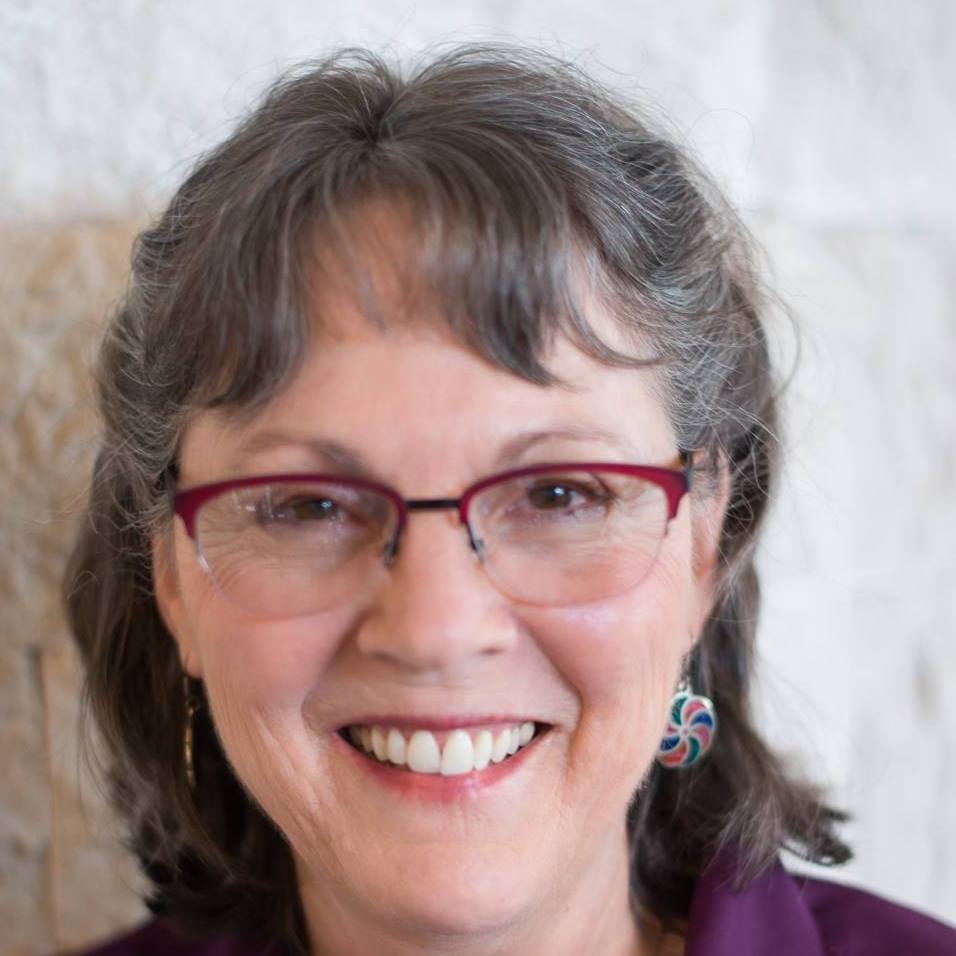
Meet author and publisher Kathy Cretsinger

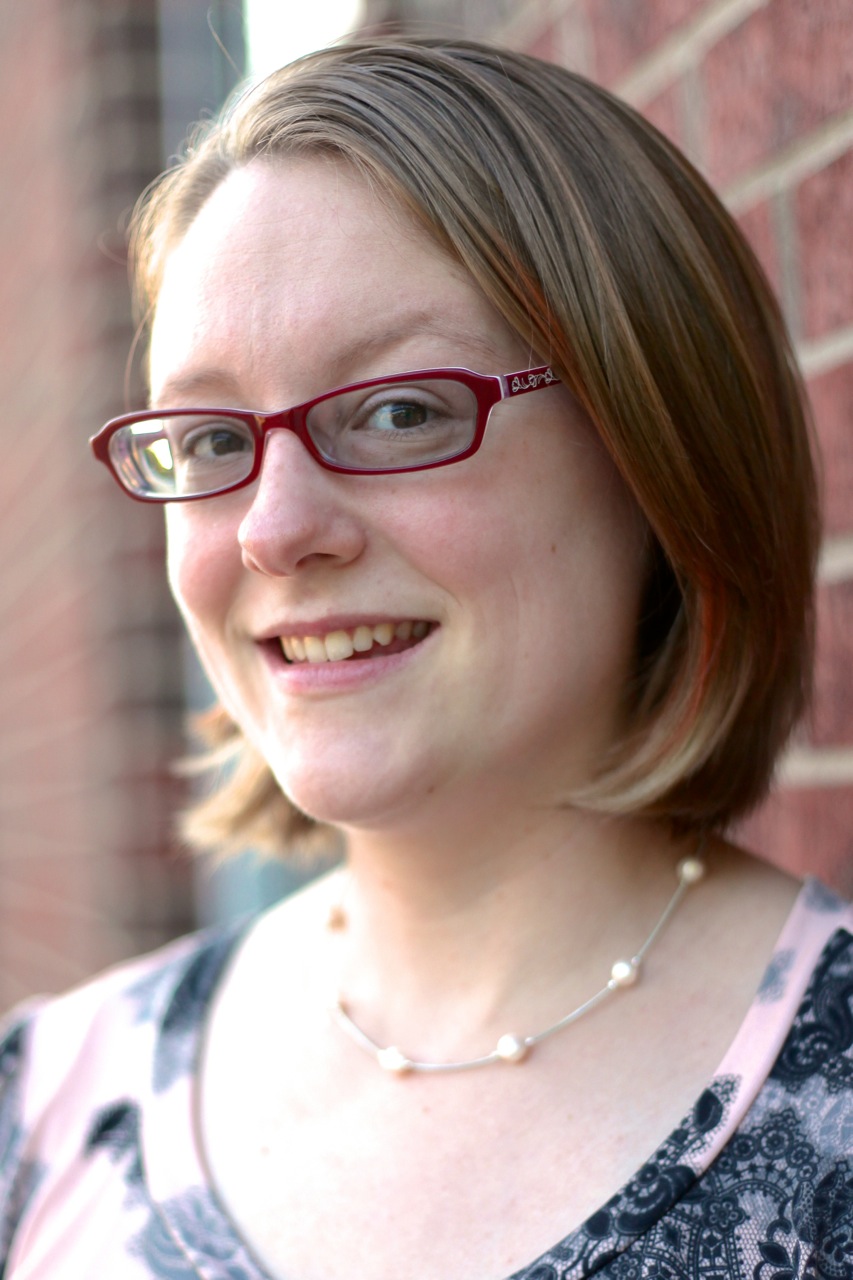
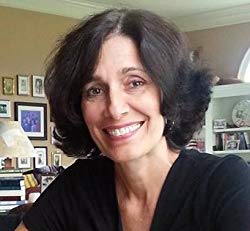
Kathy's photo

My Thursday blog is about western Kentucky’s author and publisher Kathy Cretsinger. I have known Kathy for several years and count her as a special friend. To find out about her path to writing and publishing (and about her publishing company if you’re trying to find someone to publish your book) as well as learn about a race of people called Melungeons, read the following interview. Thank you, Kathy, for taking the time to answer my questions!

Tell us a little about yourself. 

Benton, Kentucky is my home now. I was born and raised in the second oldest town in Tennessee. Beautiful, historic Rogersville. My husband and I moved to Kentucky nine years ago. Our family now lives in this area.

My work history has been mostly in sales, but I did work for a few years as a circulation manager for our local newspaper. They say when you get the ink under your fingernails you never leave printing. We now own Mantle Rock Publishing, a Christian fiction publishing company.

We have two grown children, five grandchildren, and three great-grandchildren. The oldest grandchild lives in Knoxville, Tennessee, with her husband and three children. 

I love to travel and see great places. Our family is scattered over the globe. We have family in Scotland that we love to see.

What books have you had published?

I have published three fiction and one non-fiction. The fiction books are Callie’s Mountain, Susannah’s Hope, and Smoky Mountain Brides written with Pam Watts Harris. The non-fiction is about the history of the church we attend. The title is From Glade to Walnut Grove.

Any books in the works right now? 

Right now I’m working on Nothing Shady Ever Happens In Shady Valley. My husband grew up there, and we’ve lived there a couple of times. It’s a small community east of Bristol, Tennessee. Love the people and the location

When did you first think of becoming a writer?

I think maybe in high school. I became engrossed with the Reader’s Digest. I had no idea how to write a book or how to have one published. This was a long time before computers. Now we do everything electronically. I wanted to write a short story. I did write it and threw it away. I didn’t think of it anymore until a friend came to visit. She told me I could write a book. The first book I wrote will never be published. I went in so many different directions, rewrote it about twenty times, and finally put it away.

Tell us about your books. What makes them unique?

Callie’s Mountain and Susannah’s Hope are set in East Tennessee. When the white people came to the mountains of Upper East Tennessee, they found a different race of people. They called themselves Porteguise. I know it’s spelled wrong, but that was the way they pronounced it. Finally someone called them Melungeons. These two books are about the white world coming into the mountains of Hancock County, Tennessee and finding these people. When I did my DNA, I found out I have all the races that make a Melungeon: black, Spanish, Middle Eastern, and English. I consider myself a part-Melungeon. From family history we’ve researched, we are part Melungeon.

Nothing Shady Ever Happens In Shady Valley is a story of this beautiful mountain community. Until recently, most families were related. Our daughter was researching the family and told her dad he didn’t have a tree, he had a vine. There are certain last names that are important to the valley. I’m trying to make it humorous and keep the dignity of the people. 

What is your biggest challenge in writing?

Having enough time to write. With the publishing company, I don’t have a lot of extra time.

What inspired you to start your own publishing company?

I became discouraged when I had trouble publishing my book. I decided to do only mine, but other people began asking me to publish theirs. It’s hard for new authors to be recognized in the writing industry. My husband and I wanted to help them. 

Tell us about Mantle Rock Publishing.

Mantle Rock Publishing is a small publisher of Christian fiction. We do not do children’s books or non-fiction. We work with the author to get her/his book ready for printing, and we also work with them through marketing. We are a close-knit group of authors. We publish between 15-18 books a year, and they can be bought on Amazon or other book stores. 

What advice do you have for writers hoping to become published?

Learn the craft. Study to know more about writing and self-editing. It means so much to us when we receive a manuscript if it is written well. Write every day.

What is the funniest or oddest thing that has happened to you during your time as a writer?

A gentleman came to the house the other day and wanted me to publish his book. The more he talked, the more I knew it was a non-fiction. He asked if we had a printing press in the house. No, all printing is done by the distributor. I’ve worked for a printing company and a newspaper. I’ve seen all kinds of printing machines. We do not have a printing press in our back bedroom. 

Other than writing, what activities do you enjoy?

I enjoy reading, traveling, knitting (I can’t crochet, but my husband does), helping authors, writing conferences, spending time with our family, and people watching. We also like to visit the older people at church.

Just for fun, tell us your favorites in: music, movies, books, places to visit, and food.

Music – Celtic, I have a lot of Scottish and Irish heritage

Movies – Anything that is a love story, but my favorites are Dirty Dancing and Pretty Woman. They tell so much about being as low as you can get and then turning your life around.

How can readers purchase your books and your company’s books?

You can purchase all of our books on Amazon.com. You can also go to http://mantlerockpublishingllc.com/books/ All of our books are listed there. Click on them, and you’ll be directed to Amazon.com.

Read about Kathy’s books here:


https://www.amazon.com/Susannahs-Hope-Katt-Anderson/dp/1500842249

Following your passion

At first glance, you might think my passion is reading books for young girls. Or Elvis-related stuff..

You’d be partially right. I love reading well-written books for girls in upper elementary and middle school. I love all things Elvis. It all goes back to my childhood, when I was so absorbed in whatever book I was reading, my mom had to force me to put it away at the dinner table. My childhood when I listened to my older brother’s Elvis records, and he and his girlfriend/fiancée took me to see Elvis movies. Yes, I like those movies. Well, most of them.

But my true passion is writing. From the time I learned to read, I wanted to write my own stories. I started writing and illustrating them as young as seven years old. Stories like “Lucy the Elephant.” Bless her heart, she couldn’t do anything right at the circus. “The Tale of the Bloody Bluff Brothers,” a chilling western written by a ten-year-old living in Arizona and surrounded by western lore. Let’s not forget those sappy love stories I wrote as a teen-ager, stories that usually involved boyfriends dying in a car wreck or ones like “Lilly of the Valley,” the story of an old woman (Lila)who lost her love during the war and never married, so when she died at a ripe old age, she was still thinking of him.

Teen-agers are morbid..

“The Ghosts of Graceland” is the first complete book I ever wrote. And, thanks to Mantle Rock Publishing, it is the first published book I had. It’s the story of twelve-year-old twins, Mandi and Kassi, who have been sent from San Diego to Memphis to stay with a great-aunt they barely know while their mother and her new husband are on a honeymoon in Europe. While in Memphis, they are reunited with their father, encounter mysteries, and learn to cope with their mother’s remarriage. The book is about family relationships as much as anything else. Divorce, remarriage, separation.

Stuff Nancy Drew didn’t deal with. Kids today know things at a young age that they really shouldn’t have to know. Things like sex and drugs and violence and fear. Their innocence is being robbed by our culture.

I want to write for those kids. I want to write books that entertain them, books with happy endings, books that help them see they’re not the only ones struggling with difficult issues. Or if they’re not struggling with those issues, they can better understand those who are.

Advice for beginning authors is to write what you know. And, as we’ve already established, I know about Elvis. So I wrote what I knew. Graceland and Memphis.

Then I moved to the next one. I also know Nashville. I used to live near there, and it is one of my favorite cities. The logical place, then, was Music City for Book 2 of the series.

The mystery in this book surrounds a country music singer whose romantic interest in Mandi and Kassi’s father, hired to be her bodyguard, doesn’t sit well with Mandi. Mixed in with a  mysterious woman who appears outside their guest house late at night and an accident or two, Mandi has all she can handle as a future detective.

Book 3 is in the works, “Secrets of the Smokies.” Yes, I kind of like alliteration for these titles. Set outside of Pigeon Forge, the girls are on a guest ranch, and yes, there is a mystery to be solved. Maybe two. I’m not sure yet.

I have written two adult books, “Aimee” and a novella in “Smoky Mountain Brides.” I enjoy writing for adults, really I do. “Aimee” is in 1895 Arizona (I know Arizona, I lived there) and “Smoky Mountain Brides” is set in northern Mississippi and Tennessee.

Like I said, I write what I know.

But writing for young girls is my true passion. Maybe because I am still a young kid at heart. Maybe because I want to make the world a more innocent place for kids. Or maybe the teacher in me wants to educate as well as entertain. Whatever my reasons, I write because it is what I love.

I have other passions in life. My faith and my family are the top two. Because of my years in education, I am passionate about advocating for kids. My selfish passion, though, is my writing. Life is so much richer if we find that interest, that job, that hobby that brings us joy or lifts our spirits..

Best wishes to you as you pursue or discover your passion. I hope it brings you as much enrichment as mine does for me.


Easy chicken soup recipe

20181023_180259

I made up this recipe tonight, and my husband and I liked it.. Just in case you want to try creamy chicken noodle with vegetables soup by Pam, here’s the recipe:

4 boneless, skinless chicken thighs, boiled in 3  cups of water until tender

1 large box chicken stock

2 cups water

2 chicken with herbs and spices bouillon cubes

1/2 package frozen mixed vegetables (I used mixed green beans, green peas, corn, and carrots)

1/2 package medium egg noodles

1 tablespoon chopped onion (optional)

1 can condensed cream of chicken soup, any brand

1 cup of milk (I used 2%)

salt and papper to taste

In a saucepan, cook chicken until no longer pink, set aside (do not drain). In a large cooking pot, pour chicken stock, 2 cups of water, and 2 bouillon cubes. Bring to a boil. Add water used to cook chicken thighs (do not add chicken yet). Reduce heat to medium high. Add vegetables, onion, and egg noodles. Return to a boil and allow to cook until noodles are tender, stirring occasionally. Stir in cream of chicken soup and add one cup of milk. Stir well. Cut up cooked chicken in small pieces and add to mixture. Reduce heat, and allow to simmer about thirty minutes, stirring occasionally. Add salt and pepper, simmer five more minutes.


Trying to be healthier? You might be surprised about this.

people doing marathon
Photo by Snapwire on Pexels.com

We hear it over and over. Eat right and exercise to prevent obesity and improve health.

“The Today Show” reported this morning that even though gym memberships are up over the past ten years, there is also a 17% increase in obesity.

Why? Several reasons. Diet, for one. Research shows that only one out of ten adults eat enough fruits and vegetables. Americans eat too much fast food. No doubt we, as a nation, consume too many sweets.

Another reason: stress. We live in a fast-paced world. Jobs are stressful. Ask any teacher. Ask people working in the medical field. Ask people working in large corporations with huge assets and risks. Stress in relationships. Stress in families. I could go one and on.

The third reason: lack of sleep. Because our calendars are packed full, we let sleep slide. Adults require at least seven hours of sleep a night for maximum benefit, according to the experts. Teen-agers need even more, but most don’t get even eight hours a night.

Health care is big issue in our country. We don’t like paying the high premiums. High premiums are caused by high claims (and maybe greed by the insurance companies, but I am speculating there, just my opinion). Some of our health issues can’t be avoided. But some of them can. It has been proven over and over that being overweight or obese causes health problems. Heart problems, diabetes, and more.

The take-out from this report this morning is that exercise alone will not prevent health problems or being overweight. Exercise doesn’t give us a license to eat whatever we want.

We’ve heard it before, over and over. Exercise (at least 30 minutes five times a week, enough to increase your heart rate), eat right, get enough sleep, and take measures to decrease your stress.

Keep in mind that genetics play a role. Most of us will never have that ideal body shape. Some people have a slow metabolism and will never be as thin as they’d like. I will never the shape I’d like because of genetics. And overweight doesn’t necessarily mean unhealthy. A family member lived to be over 100, and I doubt she had a slim day in her life. But she exercised. She ate well. and, yes, she had great genetics. As far as I know, she didn’t have blood pressure problems until she was in her 80s. She was amazing.

This post isn’t about body shape or appearance. It’s about health.

I share this not to be preachy. I fall short in many ways. I share this because I maybe someone will take the time to read this short blog who might need a little motivation in their journey toward better health. Those who know me know that I am a faithful walker and have been for years. I do eat healthy, for the most part, although a daily Diet Coke is my guilty pleasure. (I’m trying to cut down, Kevin, really I am. And I have.) Chips and salsa are my weekly splurge. Eating healthy doesn’t mean you can never have the bad stuff. It just means make the bad stuff an occasional treat, not the norm in your life.

I have seen this work in my own life. Fifteen years ago I was diagnosed with elevated bad cholesterol (genetics here). I basically eliminated fried food and red meat from my diet. No cholesterol problems now. My triglycerides this past June were only 64. Last year they were 40. In 2001, I was almost 20 pounds heavier than I am now (students were wondering if I were expecting a baby, so that gives you an idea what my stomach looked like!). I kicked it in gear and made changes. I know it works. At 62, the only medicine I take is an over-the-counter eye vitamin for people with macular degeneration, AReds2. With my family genetics, I should be on blood pressure medicine, cholesterol medicine, and even diabetes medicine, but I’m not.

I attribute it to a basically healthy diet and exercise.

The report this morning said that a healthy diet and exercise can prevent certain cancers as well as the more obvious diseases.

Once again: a healthy diet, regular exercise, control stress, get enough sleep.

The result: A healthier you. A healthier me. A healthier country.

Maybe you and I will have diseases anyway, but if we can prevent even one health disorder, aren’t we better off? And who knows? Maybe our health insurance premiums will drop . . . Yeah, right.


Taco Soup Tuesday

gtillers crumbles

Colder weather means soup meals at our house. Potato soup, vegetable soup, homemade chicken noodle with vegetables, stew, and of course, taco soup.

There are all kinds of recipes floating around for this super easy dish, but while I was working full-time, I made up my own simple and quick one.

You may be wondering about the photo. I discovered this gem a couple of years ago. Completely plant-based, lower calorie, and much healthier than ground beef. Fully cooked. I use the crumbles in soups, including chili, tacos, sloppy joes, and spaghetti. Very nutritious and great for weight loss. Easy on the kidneys (you’re not supposed to eat red meat if you have kidney disease). Warning: if you don’t eat much fiber, this could be a jolt to your system. It says 3 grams of fiber, but I guess with the beans and the crumbles, it is more potent than that.

Here is my easy soup recipe that is completely ready in 15  minutes (with the crumbles) or less than 30 if you go the conventional route.

Ingredients:

1 large can of tomato juice

1/2 cup chopped onion (optional)

1 can of yellow or shoe peg corn, drained

1 can of black beans, rinsed well and drained

1 small can diced green chiles

1 package taco seasoning mix

1 package Hidden Valley Ranch dip/dressing mix (for an extra kick, get spicy fiesta)

1/2 bag of Grillers Crumbles (size pictured), or 1 pound of ground chuck (browned and drained well) or small package of chicken tenders (boiled until no longer pink inside then drained, cooled, and shredded)

Directions:

In a large pot, add juice, corn, beans, onion, taco seasoning, and ranch mix. Bring to a boil, then lower temperature to medium. Stir occasionally while cooking.

If using ground beef or chicken, cook while soup mixture is thickening.

After about ten minutes, add the Grillers Crumbles (or ground beef or shredded chicken) and raise heat to medium high. Cook five minutes, stirring frequently. Add undrained green chiles.

Reduce heat and simmer until ready to serve. Serve with tortilla chips or cornbread, top with grated cheese and/or sour cream if desired.

Note: I use tomato juice because my sons never liked the chunks in canned tomatoes. I, however, like the extra texture, so I sometimes add a small can of undrained diced tomatoes.


o

For those very nearsighted or with macular degeneration


Some people hesitate to share their personal experiences, and I definitely keep some things very private, but if I feel that my own experience can help someone else, I am an open book. The more support I can give and receive, the better.

See that photo on the right? That’s how my right eye sees the world, and it’s how I’ve been seeing it since I was 32. I have macular degeneration. Not caused by diabetes, because I’m not diabetic.

Nope, caused by being severely nearsighted. I started wearing glasses at the age of nine, and by the time I was 13, my vision without those lovely Coke-bottle thick glasses was 20/800 in my left eye (my good one) and 20/1000 in my right. Yes, you read that correctly. 20/1000.

Needless to say, I was determined to wear contacts, those hard things you had to start out wearing two hours a day then gradually add thirty minutes a day until you built up enough callouses to avoid feeling like you had sand in your eyes. But with those Coke-bottle glasses—well, I was determined.

Anyway, quick history. At 32, my right eye hemorrhaged. I woke up one morning and saw a brown, swirling blob in my central vision. Quick trip to my optometrist, who immediately sent me to a specialist on a Saturday in Memphis. Lengthy exam. Prognosis. Nothing we can do. Don’t know why this happened.

Fast forward to age 51. While cleaning my kitchen, I noticed the top of my stove wasn’t straight, it looked wavy (with my left eye, my good eye). Hmmm. That’s not right. Call my optometrist. Says “come in now.” I go. Guess what? Leakage in my left eye. This time I was able to go to Jackson as a retina specialist was now there one day a week (he’s there or in Paris all week now).

The leakage was sealed off with an eye injection, Avastin. I went every three months for a year until it was sealed and then was released.

But why was this happening? Wasn’t macular degeneration a condition for old people? Well, yes, mostly. But for the severely nearsighted, it is caused by the elongated eyeball that constantly pulls and stretches the retina, allowing blood vessels to form behind it. No, not for every nearsighted person. But for some, especially the severe ones. The blood vessels leak serum or even hemorrhage completely, with blood. The macula is the part of the retina where you have your central vision, the part that gives you clarity in vision.

In 2011 it started leaking again. More injections, every six weeks at first, then stretched out to three months. Everything under control until 2014 when my left eye hemorrhaged blood in the central part of my eye, the macula. I freaked out. Was I going to be legally blind, living a life with only peripheral vision? Remember, when I was 32, they couldn’t do anything.

But in 2014, they had a procedure that had been around for about ten years, a vitrectomy. Not sure of the spelling and too lazy to look it up this morning. Maybe vitrektomy. Doesn’t matter. A one and a half hour surgery in which they REMOVED the vitreous tissue in my left eye, replaced it with something else, and inserted a gas bubble (like with retina detachment) to push the blood out of my central vision. Had to keep my head down for a week. Had to sleep face down with my head hanging off the bed. Didn’t sleep much. Couldn’t watch TV for a week. Couldn’t read, because the gas bubble interfered with my left eye, and as far as my right eye—well, you see how I see with it. Boy, I wished for company and phone calls that week. It worked, but the gas bubble was like fertilizer to cataracts, so within six months I was unable to see well enough to drive (corrected vision at that point was 20/400) and I had to have cataract surgery.

Cataract surgery was the best thing that ever happened to me. For the first time in many years, I could actually see a clear world when I woke up in the mornings. I could see a clear world while swimming. When I went back for the follow-up checkup the day after surgery and I was reading the eye chart down to 20/50 without glasses, I literally cried tears of joy.

So everything was good, right? I still couldn’t read small print because of a permanent blind line left by the blood hemorrhage, but I loved Kindle which enabled me to enlarge the font. I still had to have the shots periodically to prevent new leaks.

This past March, though, my left eye started having serum leaks again. The Avastin was no longer working, so the doctor (shout-out to Dr. Don Wright and Dr. Brad Priester, my heroes—oh, and Dr. Suni, too, who did the vitrectomy because Dr. Priester was out of town) switched to medicine called Lucentis. He had to give me a sample at first because, of course, he had to get insurance approval, and these shots are very expensive.

The Lucentis didn’t work, and the leakages worsened, along with my vision. The doctor tried to get one more option approved, which insurance denied because that medicine is only approved every three months, and I have to get the injections monthly. So in September, he simply gave me another Lucentis shot and hoped for the best.

And, almost miraculously, it worked. I have had the best vision this past month that I’ve had since March. I don’t know why it worked this time, but it did. Last Wednesday, I had another Lucentis injection, and we’ll keep with that as long as needed.

Okay, I said this would be quick, but it wasn’t. But I wanted to explain. First, understand my right eye has no hope. It has a macular hole. Next, in spite of seeing so much better, I still struggle in dim lighting. I struggle at church with the songbook. Whoever is at the front leading us, I can’t see well, and the blind line makes it look like the top of his head is missing. If you pass me in a car, I cannot see your face behind that tinted windshield. If you are far from me (like when I am substituting at school), oh, like 20 feet away, I can’t make out your facial features. Sitting in my living room at night, I can’t see the facial features of my family members or friends if they’re more than five feet away because the lighting is not bright enough.

But that’s okay. I am grateful for what I’ve got. And I’m sharing my story in the hopes that if you or someone you love is struggling with this issue, whether age-related or like mine, you will understand what they’re going through. And if you’re blessed with good vision, please don’t take it for granted. Believe me, the Helen Keller jokes I grew up hearing are not funny. For someone who loves to read and draw and paint, like me, my vision is my most valued sense.

If you notice wavy lines or see flashing lights that won’t stop, get to your optometrist. The sooner you catch it, the better. And the idea of eye injections sounds horrible, but they use numbing drops and a numbing shot, so you never feel the needle going into the white of your eye. You will see the medicine swirling around. No big deal, once you get used to it.

And hang in there. You could have smooth sailing from now on, or you could have a very bumpy road as I have had. Just do what the doctor tells you (eat those leafy greens, take those AReds2) and appreciate what vision you have.

I know I do.


Thinking of going to the Grand Canyon?

Pam at the Grand Canyon

Bright Angel Trail

These pictures were taken in 20l1. My fifth or sixth time to visit the Grand Canyon, my husband’s third. We walked down part of the Bright Angel Trail, the trail you see in the second photo. My picture was taken about 3/4 mile down the trail, at which point we, as casual walkers and not hikers, turned around and went back up. The trail itself is almost eleven miles long, I believe, and we encountered casual walkers like us as well as the serious hikers who actually stayed overnight in the floor of the Grand Canyon.

If you’ve never been, let me tell you what you’ve probably already heard: no photo does it justice. The Canyon is mystical, almost surreal. My youngest son, at 15 in 2004, complained about the 90 miles we had to travel from Flagstaff to get to the south rim, wondering what was “so special about a big hole in the ground.” When we stopped and went out on the first lookout point, he was silent for a few minutes then turned to me and said, “I get it.”

As a former Arizona resident who left part of my heart there, I hope you’ll visit the Canyon someday. And I hope you’ll go to the south rim. It’s much better than the north rim, in my opinion.

Some advice: stay in Williams or Flagstaff. Williams is 60 miles from the south rim and Flagstaff is 90. The famous highway Route 66 goes through Flagstaff. There is lodging closer to the canyon, but it is pricier. The El Tovar Hotel, a historic hotel, is popular and convenient to the activities, inside the national park and overlooking the Canyon, but once again, pricier. It’s pretty old, so don’t expect elegance. How to dress? Check the weather forecast, but be sure to pack a jacket, even if you go in the summer. Nights can get chilly, and Flagstaff is almost never hot. The best months to go are May through September. Williams and Flagstaff are at high elevations, and snow hits early. As a matter of fact, it snowed in Williams earlier this week. There are cabins you can stay in at the Canyon, but they’re not cabins like you rent in the Smokies. They’re rustic and very small, fit only for sleeping. My husband’s cousin and his wife did a white-water rafting trip on the Colorado. They had a guide, and their group slept under the stars–no tents–each night.. They ended up in the water once, and they said the water was very cold, so be prepared. I asked them if they’d do it again, and they both said “YES!” If you’re an outdoors type of person, you can enjoy the Canyon for days, but if spectator activities are more your thing, a one-day visit will be enough. Although there are numerous lookout points, there’s probably not much point to going to all of them. And that glass walkway that extends over the Canyon? I’ve not been on it, so I can’t give a testimonial. But, hey, if heights are your thing, go for it!


Need a new twist on a Mexican dish? This one is easy, fast, and low calorie.

About 40 years ago, I was missing my favorite restaurant in the world, Cretin’s on Fourth Avenue in Yuma, Arizona. My regular meal there was a smothered bean burrito. Made with freshly made tortillas (oh, they are so much better than store-bought!), filled with flavorful beans, and topped with a sauce and loads of cheese, it was the sort of meal only a teenager with a racing metabolism could eat and not gain weight.

Knowing I could never duplicate that delicious burrito and really didn’t need to indulge, I created a healthier version, tweaked it over the years, and entered my recipe in a contest sponsored by “Prevention” magazine. Mine was one of 150 selected to be in the cookbook that came out in 2008. You see the cover and my page in the photos.

Nutrition information (compiled by the experts on the magazine’s staff): 347 calories per serving, 16 grams protein, 43 grams carbohydrate, 11 grams fat, 20 mg cholesterol, 902 mg sodium, 8 grams fiber. Serves four.

Prep time: 10 minutes  Cook time: 5 minutes.   Bake time: 18 minutes

Ingredients:

2 teaspoons canola or olive oil

1/2 cup chopped onion

1/2 cup chopped red or yellow bell pepper

1 tablespoon chili powder

1 can (16 ounces) fat-free refried beans

4 whole wheat or regular flour tortillas (8 inches diameter)

1 can (14 1/2 ounces) diced tomatoes

2 jalapeño chile peppers, finely chopped and seeded (wear plastic gloves when handling)

1 cup (4 ounces) shredded reduced-fat cheddar cheese

Preheat oven to 350 degrees F. Coat a 13 x 9 baking dish with cooking spray.

In a small, nonstick skillet over medium heat, warm the oil. Add the onions, bell pepper, and chili powder. Cook, stirring occasionally, for about four minutes or until the onion is softened. Set aside half (about 1/4 cup of the mixture) in a bowl, Add the beans to the skillet and break them up with a spoon Add a few tablespoonfuls of water, if needed, to loosen the mixture slightly.

Lay the tortillas in a single layer on a work surface. Spoon one-quarter (about 1/2 cup) of the bean mixture on each tortilla, then hold opposite sides of each tortilla to meet in the middle. Fold under the top and bottom of the roll to form a compact bundle. Place the burritos seam side down in the dish.

Add the tomatoes with juice and the chile peppers to the reserved onion and pepper mixture. Stir to mix. Spread over the burritos. Sprinkle the cheese on top.

Bake for about 18 minutes or until the cheese melts and the mixture bubbles.

Diet exchanges: 0 milk, 1 vegetable, 0 fruit, 0 bread, 1 meat, 1 fat

3 carb choices

This recipe can be modified and made less healthy/low calorie by adding browned ground beef or cooked chicken. Or, to keep it healthy, add Morning Star Grillers Crumbles (fully cooked soybean crumbles, look just like ground beef).

Also, I now like to add garlic to the mixture. If using minced garlic, use 1/4 teaspoon. Powder version just a couple of shakes.

This is a homemade salsa recipe that was not in the cookbook:

1 large can (28 oz.) diced tomatoes

1/2 tablespoon chopped onion

1/2 teaspoon minced garlic

1 tablespoon chili powder

2 tablespoons picked jalapeños, juice drained

Place in blender, pulse once or twice until made liquid, although there will be a few chunks. Do not blend until smooth. Place in a bowl and refrigerate at least 30 minutes. Sometimes I use this salsa on top of the burritos before adding the cheese.


Hey, y’all, we’re fixin’ to talk Southern

Pam and June Juanico

Yep, that’s right. We’re fixin’ to talk Southern. I just put the photo in to grab your attention. I had this photo made in 2007 or 2008, can’t remember exactly, with a lady from Mississippi who dated Elvis and wrote a book about it (I think her name is June Juanico, but I will have to do my fact checking after I’m through with this post). And that’s a blonder me (when my hair got done a little earlier, the hairdresser and I got a little carried away with the highlights).

Now, if you are NOT a southerner, you probably noticed several things in my post already that are not exactly accepted English. If you’re a southerner, you’re likely scratching your head and wondering what on earth I’m talking about.

Allow me to explain. First, southern lingo is as varied as any other, because the way we talk in Tennessee is not always like they talk in kAlabama, and we definitely don’t talk like Georgia folks (think Jimmy Carter). We actually pronounce our “r’s” in Tennessee. I hate it when Hollywood makes all southerners sound like Georgians.

There’s also a variation in rural southern and city southern. My Memphis relatives don’t talk quite the same as we do. Their accents are not as pronounced, and they don’t put quite as many extra vowels in words as we do.

Remember: no one in the South owns a cat. They own a ca-at. Or in some parts, they own ca-ya-ats.

So this blog is for you non-Southerners who might be planning a trip to our neck of the woods. That’s rural talk, by the way. Memphis and Nashville don’t have real woods. Knoxville and Chattanooga, maybe.

Here’s my disclaimer. Because I spent nine years of my life in Arizona, I am accused of not being completely, truly Southern. I pronounce words a little differently at times. But that doesn’t mean I can’t understand and translate Southern. I do have trouble with British accents, but that is another blog. Let’s just say I have to rewind a lot when watching “The Crown.”

My list, then, is southern rural speech, specifically in west Tennessee. Interested in learning more? Then continue to read.

Words and phrases we use that maybe you don’t, or if you do, it’s different where you are:

  1. fixing — usually pronounced fixin’. This can mean repairing (He’s fixing the lawn mower) or preparing (she’s fixing supper.) However, it is frequently used instead of “about to.” (We’re fixing to eat supper, she’s fixing to go to the store, they’re fixing to get married.)
  2. supper — the evening meal. Some of us eat breakfast, lunch, and supper. Older folks eat breakfast, dinner, and supper. Many eat Sunday dinner around noon or 1:00, but it’s lunch the rest of the week. However, formal evening meals are dinner. This rule may vary from family to family.
  3. Bless your (his, her) heart. This very important phrase has numerous connotations because it can be a kind, loving remark or one that hides sarcasm as something sweet and sugary. Examples: 1.”Did you hear about Bill? He was injured in a car wreck.” “Oh, I’m so sorry. Bless his heart, I hope he’ll be okay.” Translated: “I really am sorry and hope he’ll recover soon.”  2.  “Mr. Harmon, I didn’t get my homework.” Mr. Harmon (my senior English teacher whom I respected but mostly feared): “Well bless your little pea-pickin’ heart.” Translated: “Why are you telling me this? You’re getting a zero anyway.”  3.  “Did you see Mikey ram his head into the lockers to show off?” “Well, no. Bless his heart.” Translated: “Bless his heart for being so stupid.” 4. Nurse: “Dr. Johnson, Mrs. Miller is here again about feeling tired a lot.” Doctor: “She’s 98.” Sighs and shakes his head. “Bless her heart.” Translated: “Actually, bless my heart because I’m tired of dealing with this over and over.”
  4. loaf bread or loaf of bread? — My husband and I have this discussion. I grew up hearing my parents talking about buying loaf bread. He never heard that, even though he grew up in Tennessee. Guess my folks were more country than his.
  5. Those -oi words. Many Southerners are unable to pronounce these words correctly. (My Arizona upbringing prevents me from talking this way.) They put ole in the car, bole water, use aluminum fole. So, if you hear this, just translate that “o” sound to “oi,” and you will do just fine.
  6. Pin and pen, tin and ten — no different in southern jargon. Use context clues to figure it out.
  7. “I’m” and “am” — very similar. “I’m leaving” sounds very much like “Ahm leaving.” They (we) really do intend for a subject to be in there (I). It just doesn’t sound that way.
  8. On.– Some Southerners pronounce this word like “own.” It sounds like “Dinner is own the table.” I don’t know why they do this. They just do. Once again, use context clues.
  9. We was, you was, they was. Ouch, ouch, and ouch. I won’t elaborate. But you’ll hear it. They know better. They know it’s supposed to be we were, you were, they were. It just doesn’t come out that way. Bless their hearts.
  10. Have your picture made. — Yes, we have our pictures made in the South. Yes, we know a lot of people, if not most, say “have their picture taken.” We use “made.” I don’t know why. We just do.
  11. Mr. or Mrs. (Ms., Miss) before a first name. — This is a sign of respect. Think “Driving Miss Daisy.” It means “I know you better than I know Mr. or Mrs. Jones, but I think it’s disrespectful to call you Bob and Mary, so I’ll call you Mr. Bob and Mrs. Mary as a sign of respect.”
  12. Ma’am and sir. — terms of respect. It’s acknowledging that someone is older or in more authority. If someone uses “ma’am” or “sir” to you, be honored. That means they are treating you with respect.
  13. Y’all. — There are debates about the correct spelling of this term, but it is a contraction of “you” and “all.” Therefore the correct spelling is “y’all.” This is a casual, plural term, used as “you guys” is in other parts of the country and in parts of Appalachia, “you ‘uns.” It is never considered correct in a formal paper or formal speech, but it is the norm in colloquial speech. So if you are alone and someone asks ,”How are y’all doing?” that person wants to know not only how you are doing but also your family.
  14. Finally (for now), the difference in “Yankee” and “Northerner.” — I do not think of myself as a resident of the former Confederacy. That time in the history of the south is a black eye on our history. I can’t help what my ancestors did (but mine were all poor farmers who didn’t own plantations or slaves or anything much), and from what I can tell from family research, my ancestors didn’t get caught up in causes, working all the time to scratch out some kind of living from the soil. But part of the South’s history is not so pretty. At the same time, it’s not all ugly. We have certain customs and traditions. We want to welcome newcomers to our community, but (I speak here on behalf of myself, not others) there is a difference in a Yankee and a Northerner, a Mid-westerner, or a Westerner. Not sure if all of those terms should be capitalized, but I did anyway. Here’s the difference: A Northerner (Mid-westerner, Westerner) moves here and lives among us, assimilating our way of life with theirs. A Yankee, on the other hand, moves here and tries to change us and our way of life. We don’t like that any more than you’d like it if we moved into your area and tried to change your culture. Change can be good, but don’t force it on us. Get to know us. Give it time. Observe. Maybe we need to change some things. But, in some ways, maybe you do.

I hope these hints help, and if you’re fixin’ to visit Tennessee, I hope y’all will have your picture made in front of Graceland or at the Eiffel Tower replica in Paris or even on the steps of The Parthenon replica in Nashville and post it to Facebook so all your friends can see where you’ve been.

Until next time!

Are you in the fall season of life?

10445918_892067437476510_8012425132799470216_n

Autumn is my favorite season. The sunny days with low humidity, the cool sometimes chilly evenings, and the turning of the leaves are refreshing to me. To some people, fall can represent something negative. The plants are dying or going dormant. Cold weather is not far off. School is back in session.

Negative things. But to me, it is an exciting time. High school and college football! Long walks in the crisp air. New seasons of television shows (lots of good ones this year!). And, I must confess, when I was growing up I always looked forward to the start of a new school year. Why? Because it represented a new beginning, an opportunity for change, a chance to make new friends and to reinvent myself.

So when I was asked to speak at our church’s quarterly WINGS (Women in God’s Service) event about being in the fall season of life, I couldn’t help but think how appropriate it was. I was asked to do so because I recently retired, so because of my age and my circumstances, I am truly in a new phase of my life.

And, believe me, I am loving it.

But I don’t view my fall season of life as a time to sit back and do nothing. Instead, I view it as a time to do the things I never had time to do while working. Things on my bucket list.

No, not sky-diving or traveling the globe or anything out of the ordinary. But things like jogging/walking (mostly walking) the St. Jude half-marathon in Memphis on Dec. 1. It’s been my preferred charity since I was in college, and I registered as a hero, pledging to raise $600. Thanks to generous friends and family, I reached that goal by the end of July.

Things like volunteering more. When my dad was in hospice care and spent the last four days of his life in a local nursing home, I noticed the residents who seemed to have no one visiting them, residents who couldn’t do simple things for themselves. I pledged then, in 2012, to become a regular volunteer, to “adopt” residents who had no family or friends. Three weeks after I retired, I went to the nursing home, filled out the paperwork, and had the background check. Maybe, just maybe, I can bring a little comfort and companionship to the lonely.

I now have time to do editing for Mantle Rock Publishing during the daytime hours instead of nights and weekends. The same for taking care of my 91-year-old mother’s needs. I have more time to write.

But autumn also represents harvest, a time to reap the rewards of hard work. Crops are gathered and sold or stored for winter. In retirement, I am reaping the rewards of working at least part-time since I was 12 years old. My dad was in the newspaper industry. I had a paper route for three years. I worked part-time in the summers at the “print shop” beginning at `13. During high school and college, I had jobs at the newspaper, Kentucky Fried Chicken, the Pacer Pantry on campus, and a local bank.

Full-time work? Eight years in banking/lending, 25 years teaching, and seven years as principal.

But I have a confession to make. I worked in education for 32 years, but I never wanted to be a teacher. At least, not in the way that it was my life’s goal.

No, I wanted to work in corporate America, in a large city like Nashville. I majored in Spanish and minored in French and took classes like business law, foreign relations, and accounting to prepare me for a job in international business.

But life has a way of throwing some curve balls, so that goal was never realized. Instead, I ended up teaching so I would have more Mom-friendly hours, not knowing that during the school year I would be putting in fifty hours a week or more. I struggled at the beginning. I had no idea how to manage a classroom, no idea how to teach high school students.

But my father, whom I admired more than any influence in my life, taught me to do my best at any job I did, whether I liked the job or not. So I did the best I could. I tried to become the best teacher I could be.

I loved the students. But I hated the job. Although I am passionate about public education, I became discouraged too easily. Negative attitudes from students, though few and rare, bothered me. I battled discouragement. But dealing with student misbehavior, students’ complaining about work they were expected to do, student apathy, creating lesson plans that took hours to plan but only minutes to present, grading all those papers, and other things were a far cry from the life I had envisioned for myself.

So now, I am reaping the rewards of sticking with a job I never intended to have, a job I did because of family. And what am I reaping? A decent pension. Sleeping past 5:30 If I want, although I’m usually up by 6:00. Time to do things on my bucket list. And the great connections I have made with students, teachers, administrators, and parents.

Even if you have your dream job, you wil likely tire of it someday if you work at it long enough. I realize that. But I do take some comfort in knowing that, even if I didn’t get a chance to pursue, let alone accomplish, my goal, maybe I played a small part in helping others reach theirs. Not that my students ended up using Spanish or French in their jobs, but maybe I influenced them and helped them somehow along the way.

In the autumn of my life, my dreams have changed. They are no longer focused on self. My dream now is to be a blessing to others. Whether it is raising money to fight childhood cancer, helping out at the nursing home, doing what I can at church, and continuing to take care of my mother, it is a time for new beginnings. A chance to reinvent myself to become the person God has always wanted me to be.