Hating the cold? Try this homemade bread recipe to warm you up.

20190122_071120

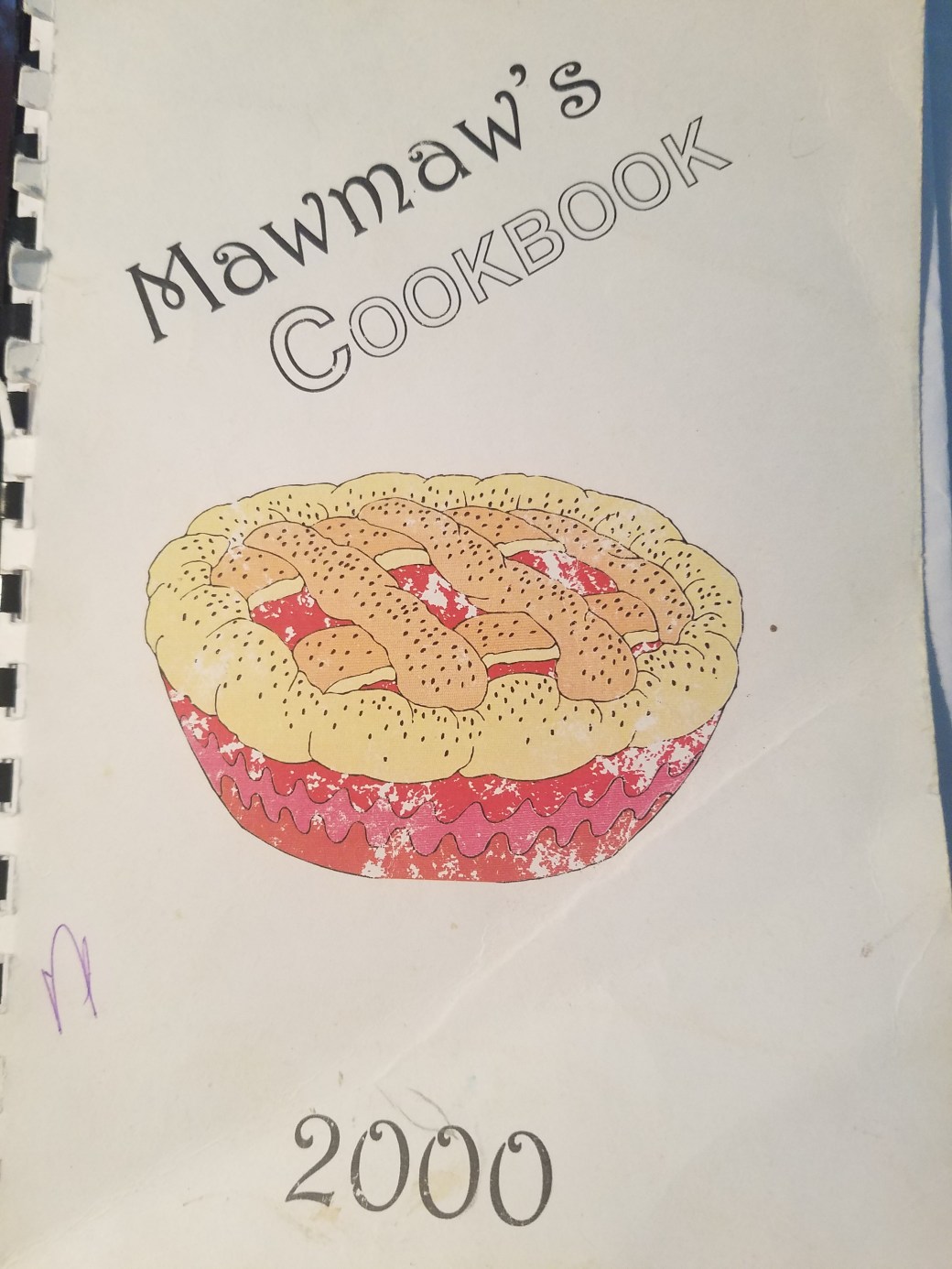
Love homemade bread but hate making it? Hate “feeding” the starter and having to keep up with keeping it going? Years ago, I found this recipe in a local cookbook. I have no idea who contributed it, and I now make it from memory. It makes two bundt-pan loaves. I usually refrigerate half of it and make another loaf within a few days. Now that my husband and I are empty-nesters, we can’t even eat an entire loaf, so I share it with others. It’s best when fresh, of course, but it will keep in an airtight container for several days.

Homemade Monkey Bread

Ingredients:

2 cups of water, divided

1 cup shortening (I use Crisco)

¾ cup granulated sugar, divided

1 ½ teaspoon salt

2 pkgs. active yeast (rapid rise or regular)

2 eggs

5 to 6 cups all-purpose flour

2 sticks butter, melted (one stick per bread loaf)

In a large pan or bowl (I use a large cooking pot that is abot a foot tall), dissolve 2 packages of yeast in one cup of lukewarm water to which ¼ cup of the sugar has been added. In a saucepan, mix 1 cup of water, the shortening, ½ cup of sugar, and the salt. Heat to boiling, then remove from heat and stir until shortening is melted and sugar is dissolved. Cool for about five to ten minutes then add to mixture in the large pan. Stir well with a whisk.

Whisk in two eggs, making sure they are distributed well in the mixture. Add flour, one cup at a time, mixing with a wooden spoon until mixture forms a solid ball but not too dry.

Cover and let rise until doubled, about 1 ½ hour for rapid rise yeast, 2 to 2 ½ for regular. After doubled, divide in half. If you are going to make just one loaf, put half in an air-tight container in the refrigerator.

The original recipe calls for placing the mixture on a floured wax paper, rolling it to the thickenss of biscuitsk and cutting squares with a knife. I do it the easy way, at least for me. Melt one stick of butter in the microwave. Pinch off the dough (pieces about one inch across), dip in melted butter, and drop in a bundt pan, distributing evenly around the pan.

Cover with a towel and allow to rise 1 ½ hours (rapid rise) 2 to 2 ½ hours (regular). Preheat oven to 350. Bake on center rack for 25 to 30 minutes. I always use a toothpick and insert it at 25 minutes. If it comes out without goo on it, I remove the bread at that point.

Cool bread and turn over on a serving plate.

For a sweet variation, roll the dough balls in a cinnamon sugar mixture before placing in bundt pan for the second rising. Makes a great breakfast/brunch treat!

Living rural in Tennessee

20190120_091200

This is the scene we woke up to this morning. Not much snow, but a LOT of ice. We do get snow here from time to time, sometimes as much as six inches or more. And transplants from up north laugh at us.

Because everything shut down. Today no church services for most, but that is very understandable. It’s ice, after all. No reason to be stupid. My mother always said the good Lord gave us common sense and we should use it.

Things shut down because we’re just not equipped for it in rural areas the way cities are. We don’t have snow plows. We don’t have the salt reserves. It’s an unnecessary expense as we don’t receive that much snow. But looking at the ice gave me the idea to share my thoughts about living rural in Tennessee.

A while back, I blogged about speaking Southern, so you may want to refer to that for further understanding.

Here are some facts about middle-aged and older folks living in a rural (small town) area in Tennessee.

  1.  Everybody knows most everybody, even if they don’t actually know them. They’ve heard of them. If they don’t know them, then everyone knows that person is not really from here.
  2. 2.  Because everybody knows everybody, you have to be careful about how you dress and where you go. People will talk. Believe me.
  3. 3.  Snow is a big event. We get it, but it’s rare enough that it’s a big event. School is cancelled. Grocery stores sell out of milk and bread the day before. Why, I don’t know. I guess if you’re snowed in you can eat lots of sandwiches and drink milk.
  4. 4.  Deer, skunks, raccoons, foxes, and possums don’t know that they should stay in the woods. They will come into your yard (or they do in my neighborhood) and devour your vegetables in your garden or spray your dog or stop and stare at you. I suspect everyone here has hit a possum while driving at least once. And let’s not forget the day I went for. walk and had a stare down with a bobcat who decided (thank goodness) that I wasn’t worth the interest.
  5. 5.  Some people (I won’t mention names) actually listen to the funeral home (yes, we only have one) hotline each morning to see if someone they know has died.
  6. 6.  People are identified by which church they attend. “Oh, yes, Sally Jean? She goes to the Methodist church, right?” or “Tommy? Isn’t he a deacon at First Baptist?”
  7. .  Some people have ADT security, but most rely on dogs and guns. Really.
  8. High school sports are a big deal. The smaller the town, the bigger the following. Packed stadiums and gyms are the norm on game nights. Not so much in our town, but we’re the biggest in the county. We actually have just over 10,000 residents. Big city, huh?
  9. Walmart is more than a shopping destination. This is where you see everybody. And they stop in the middle of the aisles and talk. You can learn a lot at Walmart. Who’s going on vacation. Who’s getting a divorce. When the next church potluck is. Just act like you’re getting something off a shelf. You’ll hear it all.
  10. There are no Ubers, no taxis. That’s what friends and families are for if your own vehicle is not an option.
  11. We have the only movie theater within a 30-mile radius,, and the nearest mall is y0 miles away.
  12. 12. The cost of living is cheaper here. You wouldn’t believe the house you could buy for a fraction of the cost of a Memphis or Nashville. Property taxes are cheaper. HGTV should check small towns out. They’d be amazed.
  13. It’s okay if the neighbor kids cut across your yard. We don’t have sidewalks in my neighborhood. So, yes, it’s okay. I mean, the deer, skunks, raccoons, and other critters cross it at night or even in the daytime, so why not?

Just a few of the things that make rural or small town living what it is. I don’t live “out in the country,” so I can’t attest to what it’s like to deal with wells, septic tanks, and other things, but you know you’re in a rural area when you’re traveling down a four-lane highway, and you’re the only car traveling it for a stretch.

So if you’re thinking of moving to a small town in Tennessee, be prepared. This is likely what you’ll find!

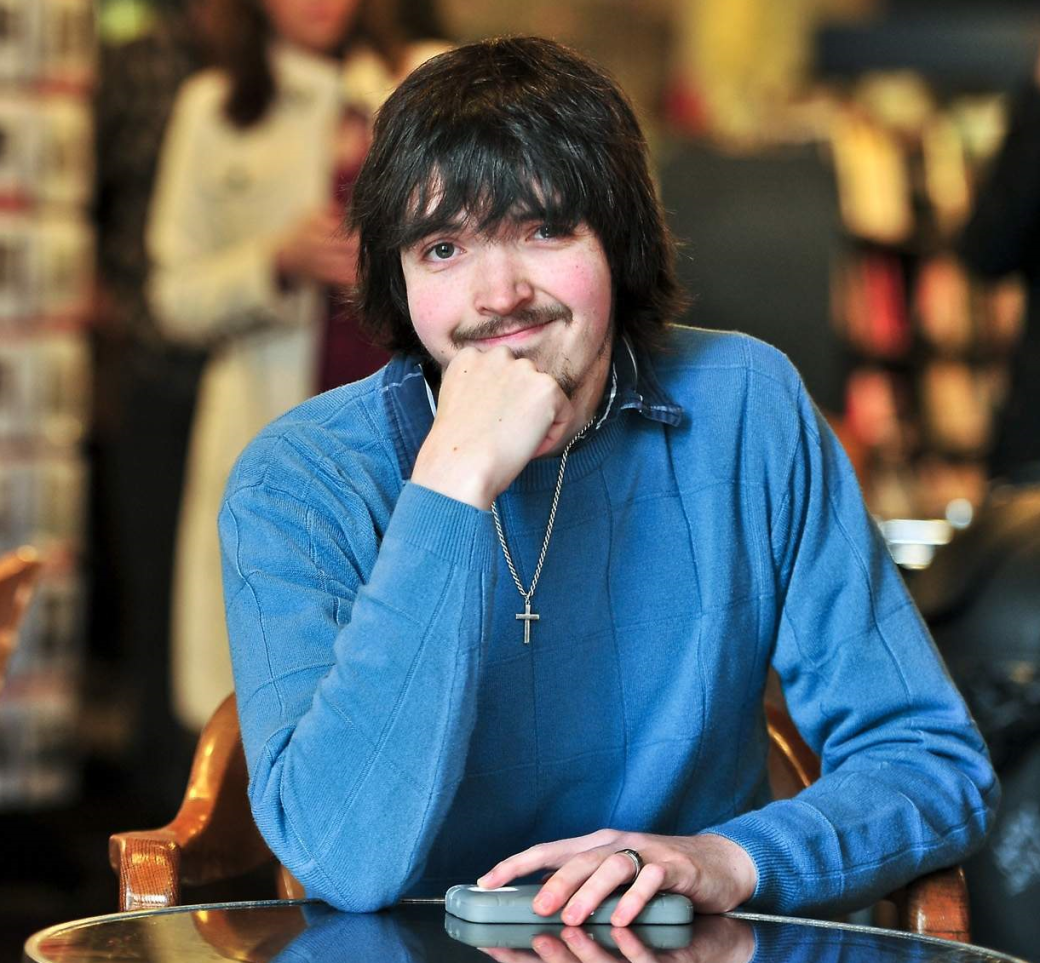
Best-selling author David Johnson shares his personal journey in writing.

david_johnson6

Today I am happy to welcome best-selling author, David Johnson, to my blog. David, please tell us a little about yourself.

I began my career as a high school teacher (music and English), but after nine years I decided to become a full time Youth and Family Minister. Now, for the last 25+ years I have been a Licensed Marriage and Family Therapist. I have also directed a community chorus for the past twenty years. 

I’ve been married 46 years, have two daughters, six grandchildren, and one great-grandchild.

I mentioned above that you are a best-selling author. I was referring to your status with Amazon. Can you elaborate about what that means?

Amazon gives constant updates to the author rankings and book rankings. I’ve had several books that have reached #1. 

It’s interesting to look more closely at how all the different groups that rank books and authors (c.f. New York Times) calculate their listings. 

I know some of your books are self-published. How does the self-publishing experience differ from traditional publishing?

The advantage of self-publishing is that you have complete control over every aspect of the process. That is also the disadvantage because you have to pay for all the services you use (developmental edit, line edit, book cover production, and advertising).

Traditional publishing can be frustrating because they dictate how often they will publish one of your books, and the length of time appears to be increasing. Several authors I know are now only allowed to publish a book every eighteen months.

I started out self-publishing, then had some titles published by Amazon, and now am doing self-publishing again. 

What was your first book, and what inspired you to write it?

My first book was Tucker’s Way and was inspired by a character I created when I took an online writing course. I began asking myself what kind of life experiences would create such a person. 

As I began writing the book, I saw that it could really help people see the value of not judging someone until you know their story.

I seem to recall that you once said that before you publish your first book, you should already have a second completed. Am I remembering correctly? If so, why do you believe that is important?

That is correct. If you publish your first book and people really like it, they are going to want to immediately read another of your books. So, what if you don’t have another one? People will forget you—that’s the cold hard truth. 

Your books are full of characters dealing with the darker side of life, people with very difficult circumstances. What draws you to write those stories?

One reason is because I am inspired by them. Someone who was raised as I was with loving parents and no significant trauma have no excuse for not turning out to be a decent human being. But people who had every disadvantage imaginable while growing up and yet find a way to “rise above their raising” are just like looking at a miracle.

Another reason I write about these kinds of characters is because there is a part in all of us that can relate to them. We might not have the same struggles as they, but we’ve had struggles and we want to cheer for the underdog to make it (because we hope we make it, too).

How many books have you written so far?

9

Which book do you want us to know about today?

My latest book is Ransom’s Law and takes place in The Great Depression.

Roscoe Ransom returned home from World War I, broken both in body and spirit, drowning his pain daily in a bottle of whiskey. But even alcohol can’t numb the agony of losing his wife or the fear of trying to raise his son, Junior, alone. However, the mind-numbing predictability of Roscoe’s life as a sharecropper and his role of town sheriff—a job given to him out of pity when he returned from the war—is suddenly upended when a black man in their tiny community is murdered and castrated.

At eleven years old, Junior longs for his father’s love and attention to fill the void left by the death of his mother, but the person who has grown to fill that role is Willow Muscadine, a Cherokee Indian woman, who lives next door. When she sees him trying to locate the killer that his drunken father can’t—or won’t—find, she decides to become Junior’s self-assigned protector. Junior overhears enough in town to realize this was no random murder of a black man. But the more questions he asks, the more dangerous the situation becomes for him, Roscoe, and Willow.

When the threats turn deadly, will it be enough to shake Roscoe from his misery in time to save them and find redemption? Or will his personal demons once again win until he’s lost everything and everyone who cares about him?

It is a tale that will have you rooting for the underdogs and hoping that good will triumph over evil.

You began writing while still working full-time. How did you manage your time? Do you have a set routine?

Quite unexpectedly I discovered that I could write in spurts—15 minutes here, an hour there, 20 minutes over there. I could stop in the middle of a sentence and come back to it later (even a day later) and pick up right where I left off. So, I might write on my lunch break, or before going to work, or when I got home at the end of the day. But I did try to write something every day.

When I read your first book, the first thing that struck me was that it was written in the present tense. Was that intentional, or was it just the way you naturally wrote?

My instructor in the writing course I took was Sylvie Kurtz, herself a bestselling author. She showed me how present tense makes everything seem more immediate and fast moving. It was quite a struggle to do it at first, but I finally got the hang of it. What’s hard now, though, is that I’ve written a couple of historical novels that needed to be written in past tense. You can’t imagine how many times I kept switching back and forth between present and past!

Some writers are very deliberate with the words they use and spend a great deal of time using a thesaurus and analyzing sentence structure. How important are those things to you in your writing?

Not very important at all. Sure, I use a thesaurus and I’m aware of sentence structure (because if it’s not structured correctly, you won’t say what you’re meaning to say), but my main focus is on the characters and having them doing and saying things that are true to their personality. That’s why I say that my books are character-driven, not plot-driven.

What are your thoughts about marketing?

That would take a whole blog post to answer that one. The most important thing for aspiring writers to know is that writing a good book is just small piece of the puzzle. You have to be a self-promoter and advertiser, even if a major publisher is releasing your book.

I advertise on Facebook and BookBub. BookBub especially has some great blog posts to explain to you how to go about advertising with them, and I actually think advertising with them is more effective than with Facebook because only readers see BookBub. Whereas, Facebook is casting a much wider net. I think Facebook is good for building name recognition.

Do you have a favorite author that influenced you in your writing?

I love Charles Dickens (talk about complicated, misfit characters!), but I don’t come close to comparison to his literary style. I guess maybe every book we read influences our writing in some way, at least subconsciously. 

Do you read book about the craft of writing? Books by James Scott Bell and others?

I’ve never read any books or gone to any workshops on how to write or the craft of writing, that is, other than that online course I took a number of years ago.

I think I’m a good story teller and I trust my instincts.

Of all the books you’ve written, do you have a favorite?

Surprisingly, I don’t.

Any books in the works right now?

Oh, I’m always writing a book. Before I finish a book I’ve already got an idea sketched out for another one. At one time I was actually writing two books at the same time. Currently I’m writing a sequel to Ransom’s Law called Ransom Lost.

Please list below how we can connect with you  and purchase your books. (e.g.

My blog: https://thefrontwindow.blog

My Amazon author page: amazon.com/author/david_johnson

My Facebook author page: https://www.facebook.com/DavidJohnsonbookpage/

Twitter:  https://twitter.com/DavidJohnson_

You can also follow me on BookBub.

Contact me via email: davidjohnsonbooks@gmail.com

Is there anything you’d like to add?

If you aspire to write, then write! Don’t think about being a writer or dream about being a writer; be a writer.

Thanks, David, for taking the time to answer my questions. Best wishes for continued success!

Author Cynthia Roemer shares an oven barbecue chicken recipe that is perfect for a winter meal.


100_5335

Last Thursday, I featured Christian historical fiction writer, Cynthia Roemer, on my blog. If you did’t read it, be sure to go back and check it out! Today she shares one of her favorite recipes. It looks and sounds delicious as well as a perfect remedy for grilling during the cold winter months.. Thank you, Cynthia!

Cooking oil
3-4 lbs chicken
1/3 cup chopped onion
3 T. butter
3/4 cup ketchup
1/3 cup vinegar
3 T. brown sugar
1/2 cup water
2 teas. mustard
1 T. Worcestershire sauce
salt & pepper to taste
Heat oil in large skillet. Fry chicken until browned. Drain. Place in 13 x 9 in baking dish. In saucepan, sauté onion in butter until tender. stir in remaining ingredients. Simmer uncovered for 15 minutes. Pour over chicken. Bake at 350 degrees for 1 hour or until chicken is done, basting occasionally.
Cynthia Roemer
Sowing Seeds of Hope
Under This Same Sky ~ April, 2017
Under Prairie Skies ~ April, 2018

The Outer Banks (OBX) inspired my most recent book.

20180606_132328

In June, we visited the Outer Banks of North Carolina for our vacation. We’d never been there, most of our beach trips being the beaches along the northern shores of the Gulf of Mexico. The water you see in this photo is not the ocean. It is the sound side, on the western side of the island, north of Duck, in an area Called Currituck. A lighthouse is nearby, and for $10, you can climb to the top. But be warned––the walkway at the top is very small, and it is extremely windy up that high!

20180608_114326

No, we didn’t stay in this house. I wish. We stayed in Southern Shores, and houses like this one lined the beach. Our house was 500 yards from the beach and nothing like this. We did go to the open house for this one. I told the realtors we weren’t serious buyers (they could probably tell by looking), but they said to come on in and look anyway. The house was gorgeous, asking price $1.9 million. One of the realtors told me it rented for $14,000 a week peak season. Seven bedrooms, so seven couples would split the cost, right? It had a gazebo out back, a private pool, and entire back was a wall of windows with amazing views of the Atlantic. I fell in love with it.

20180602_175236

This is the beach described in my  recent book that I submitted to a publisher for consideration just yesterday. Notice how deserted it is. The sand is soft, and the beach was never crowded. We went for long walks there every day. There are no high-rise condos, only private homes and vacation rentals. We loved it so much more than the crowded beaches of Florida andAlabama. And guess what? We were only three miles from a Walmart, grocery stores, and other places you need. One evening my son and I drove to Duck, just a few miles the opposite direction of Walmart. The strip of land is so narrow there, you have a clear view of the Atlantic on one side and the sound on the other. We strolled the shops, bought ice cream, enjoyed some music coming from a band performing outdoors at a restaurant, and just enjoyed the vibe.

20180602_175240

You can take your dogs to the beach, as long as they’re on a leash, before 9:00 a.m. and after 6:00 p.m. I used that info in my book along with my other experiences there. You have likely heard of Kitty Hawk, which is just south of Southern Shores. You likely know that the Wright Brothers accomplished their first flight there (you can go to the actual spot and see exhibits, etc. at Kill Devil Hills). Maybe you even knew that the lost colony (remember Virginia Dare?) was at what is now Manteo. And maybe you knew that Manteo was the site of Andy Griffith’s home in his adult years.

So if you’re like me and your beach experiences have been along the gulf, you might be interested in traveling to the OBX. I think you’ll like it.

Historical Christian fiction writer Cynthia Roemer talks about research and her love of writing.

newspaper photo book 2 - copy (2)

Today I welcome Christian historical fiction writer Cynthia Roemer to my blog. Cynthia, tell us a little about yourself. 

I’m a farm wife of almost twenty-five years and mom to two college-aged sons. I work part-time as an elementary librarian. Much of the rest of the time, you’ll find me at my computer, tapping out stories. 

What books have you had published, and what are they about?

My Prairie Sky Series is set on the Illinois prairie in the mid-eighteen hundreds. Book One: Under This Same Sky is the story of Becky Hollister and how God uses tragedy and loss to woo her back to Him. It’s a story of friendship, overcoming loss, and unexpected love. 

Under Prairie Skies is Charlotte Stanton’s story. She’s Becky’s spoiled, headstrong cousin who meets her match in cattleman Chad Avery. Together, the Lord uses them to sharpen each other and bring healing and love to their hurting hearts.

Historical fiction is challenging to write because of the amount of research involved. What resources do you use?

I love research! Anyone who follows my blog will quickly see that. I completed a wealth of research while writing my first novel, Under This Same Sky, reading books about the time period and keeping notecards. I continue to research on an as-need basis, utilizing online information and library resources. 

Recently, my husband and I took a research trip for my third novel, Under Moonlit Skies. I wrote about our trip on my recent blog posts, “Discovering the First National Road,” https://cynthiaroemer.com/discovering-the-first-national-road/ and “The Old Statehouse ~ Novel Research Part 2,” https://cynthiaroemer.com/the-old-state-house-novel-research-part-2/.

I am assuming you enjoy reading historical fiction as well as writing it. What time period appeals to you the most?

It’s almost all I read. LOL! Of course, I love prairie fiction and Civil War novels but also enjoy novels which extend into the WWII era. I also enjoy Biblical fiction and split-time novels.

When did you first begin to write, and what has surprised you about the reality of writing and publishing as opposed to the idea of it, if anything?

I started writing short-stories while in high school. When one of my stories took First Place in a writing competition at a local college, I knew the Lord was calling me to write. I majored in English in college and actually wrote a rough draft of my first novel before I graduated. Then life happened. I got a job, married, and had my sons, and so set aside my dream of being a published novelist for quite a few years, though I continued to write Christian articles and short-stories for publication. 

Then in 2012, someone told me about the American Christian Fiction Writers’ group. That association changed how I wrote. I gained critique partners, took online courses, read numerous books on writing, and entered contests. 

What surprised me most about the reality of publication is how all-encompassing it can be. There is so much beyond just writing a good story. There’s editing, marketing, launch teams, interacting with readers through newsletters and blogs, etc. It is wonderful and exhausting at the same time! LOL!

Some writers listen to music while writing or have a designated work space. What about you? Do you have a particular routine that sets the creativity in motion?

I need quiet when I write—which can be a challenge since the computer I generally use to write with is in our living room. Thankfully, my boys are all but grown and have college and work to occupy them during the day. I also like to start my day in the Word and praying the Lord will allow the words to flow and be the guiding force behind them. I find early afternoon is my best time to write.

Are you a member of a local writers group? If so, how does it benefit you?

Unfortunately, I live out in rural America where there aren’t many other Christian writers. The closest Christian writing group is several hours away, but I have connected with some wonderful writers online who are a great support and encouragement to me.

What are your thoughts about conferences?

Conferenced are also a challenge to attend, since there are none close to home. But I have attended the ACFW Conference twice and hope to again in the future. They are a great way to meet others in the writing industry and increase your chances of gaining interest from an agent or publisher.

This may sound crazy, but sometimes my characters become almost real to me, and I catch myself thinking of them as people I know, if only for a moment. Do you ever experience that feeling?

Yes. They can be very real and often take me places in my writing I never dreamed of going. LOL!

What motivates you to write on those days that you would rather be doing something else?

Usually I have the opposite problem. I’m generally wishing I had the time to write instead of other obligations. But on days when words just won’t flow, I have to step away and pray or let my mind re-engage with the story.

Looking back on your writing journey, do you see something that you would do differently if you could do it over?

Not really. I’m actually thankful my boys were mostly grown before I became so deeply involved in writing. I wouldn’t trade that time with them for anything. Now though, as the empty nest approaches, I’m thankful the Lord has blessed me with something I thoroughly enjoy to occupy my time.

What are your hobbies and special interests?

When I’m not writing, I enjoy gardening, hiking, riding side-saddle with my husband in the combine, and riding motorcycles with my husband and sons. In the winter, I enjoy baking, reading, and watching movies with my family.

Please share any links we can access to be connected to you and your books.

Cynthia Roemer can be contacted at:

Website:  http://cynthiaroemer.com/

Author Newsletter: https://cynthiaroemer.us14.list-manage.com/subscribe?u=f265b224a5a776500a8fd3d17&id=f647853a44

Twitter:  https://twitter.com@cynthiaroemer  

Facebook: https://www.facebook.com/AuthorCynthiaRoemer/

Goodreads: https://www.goodreads.com/author/show/16785237.Cynthia_Roemer

Bookbub:  https://www.bookbub.com/profile/cynthia-roemer

Thank you, Cynthia, for answering my questions. I look forward to reading more of your books in the future!

Thanks so much, Pam. It was my pleasure!

Author Heather Greer shares a recipe with the taste of lemon.

img_5103

Last Thursday, I featured Christian fiction writer Heather Greer on my blog. I normally share recipes on Tuesdays, but because of an interview that needed to post yesterday, I delayed sharing this until today. It looks and sounds delicious. Thanks, Heather, for sharing!

Lemon Poppy Seed Cutouts

Ingredients:

1 cup unsalted butter, softened

½ cup confectioner’s sugar

1 Tbsp. sugar

1 Tbsp. grated lemon zest

4 tsp. lemon juice

½ tsp. vanilla extract

2 cups all-purpose flour

1 Tbsp. poppy seeds

¼ tsp. salt

Cream butter and sugars until light and fluffy. Beat in lemon zest, lemon juice, and vanilla. In another bowl, whisk flour, poppy seeds, and salt.  Gradually beat this into the creamed mixture. Shape into a disk and cover tightly. Refrigerate for 4 hours or until firm enough to roll. 

Preheat oven to 350. Roll the dough between two sheets of waxed paper to ¼ inch thickness. Cut with a floured 1 ½ inch cookie cutter. Reroll scraps. Place 1 inch apart on parchment paper-lined baking sheets. Bake until edges begin to brown, 10-12 minutes. Remove from pans to wire racks to cool. 

Recipe makes about 3 dozen. 

Every year I try to add one new recipe to my list of Christmas cookies. This year everyone was less than enthusiastic when I said I was adding this one. Imagine my surprise when it turned out to be one of the most requested cookies on the Christmas cookie tray. Everyone loved it, and it’s not a recipe that’s good just for Christmas. This recipe was originally printed in the Taste of Home Cookies book from 2018, and the recipe came from Ilana Pulda.

Elvis’s nurse and friend talks about her life and her friendship with the legendary entertainer.

11800309_1183775174972400_1818217566677298549_n

The photo is a very bad selfie I took in 2015. Wish I had taken another one when visiting with her a few months ago!

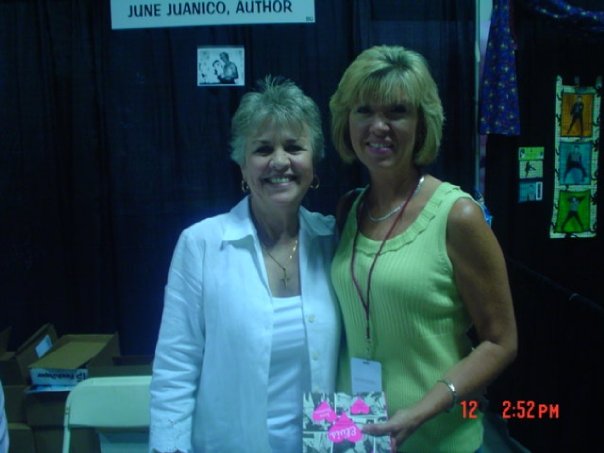
I’m thrilled to welcome my special friend, Mrs. Marian Cocke, to my blog today. Mrs. Marian, as I call her (refer to my earlier blog about speaking Southern to understand this), and I became acquainted four years ago when I heard her being interviewed on Sirius XM Elvis radio promoting her book, I Called Him Babe, an account of her time serving as Elvis’s personal nurse and friend. I decided to purchase the book and accompanying CD as a gift, a purchase that led to several phone calls and eventually meeting this incredible lady.

With January 8 being Elvis’s birthday and Birthday Week being celebrated at Graceland, I thought it would be fun to “chat” with her and talk about some of the events described in her book.

Mrs. Marian, thanks so much for agreeing to share your time with me and my readers. Please tell us a little about yourself.

I was born on July 1926 in Fort Benning, Georgia, to Howard and Nocal Justice and lived in Benning the first eight years of my life when my dad transferred to Scofield Barrack, Honolulu, Hawaii.  I grew up on four different Army posts: there (Hawaii), Ft. McClellan, Alabama, Fort Davis, Panama Canal Zone, then on to Ft. Jackson, South Carolina, and four days later, the Japanese stormed Pearl Harbor and Daddy was transferred to the Army Depot in Memphis as the Adjutant then later as the Executive Officer.  From the age of five, I had wanted to be a nurse, but when I graduated from Whitehaven High School I was only 16 and too young, so when I became 19, I entered The Holy Name of Jesus Hospital in Gadsden, Alabama.  After graduation I worked at that hospital before moving back to Memphis to be with my family and worked at the VA.  On 9-13-52, I married Robert Cocke and on 10-12-53, our daughter, Katey, was born.  We lived in Memphis through the remaining years. I worked for a thoracic surgeon for 12 years before joining the staff of nursing at Baptist Hospital as an IV nurse, two years later becoming a unit supervisor and two years later becoming an administrative supervisor which gave me the responsibility of several nursing units.  I retired from Baptist in 1984 and a year later the VP of nursing called me and asked me to come back, which I did as I had missed it. I returned as an Administrative Supervisor and worked another 16 years when my doctor made me retire due to health reasons.  Do I miss it? Yes, I still miss being a nurse.

How and when did you first meet Elvis?  I met Elvis in January of 1975 when Dr. Nick came to me at my nursing unit and told me that Elvis needed to come in, and he wanted him on my unit. I wasn’t overly pleased because I was afraid it might cause a disruption to my unit. But he came a couple of days later. I had been holding the suite for him, and I must confess that when I walked in and met him, he totally walked into my heart.

We spent the day together as it was actually my day off, and he asked me what I wanted him to do about private duty nurses, and I told him whatever he wanted to do. He said that he would have them, but he wanted me to take care of him. I told him that I would, but he needed to know that I ran the floor, saw 51 other patients twice a day, and ran the unit. We would but the 3:00 to 11:00 nurse and 11:00 to 7:00 nurse in the same position. This was done and worked out fine. Elvis was in the hospital three weeks, and on Valentine’s, he gave me a beautiful diamond cross on a gold chain. He gave the 3:00 to 11:00 nurse a diamond ring, and the 11:00 to 7:00 nurse a very delicate gold chain with a small diamond cross on it.

He was discharged a few days later, and I didn’t hear from him until August of that year, sayig he needed to come back in but it had to be my floor. We had a patient in the suite, and I called Maurice Elliot, one of the VPs, to see if I could ask him if he would transfer to another unit as Elvis wanted to come back to our floor. He immediately agreed. The room was readied, and when Elvis called me back an hour later, I told him the suite was ready.I got a call about 9:00 that night. He was back, and would I please come in?

  When I walked in, he hugged me, told me he had lost weight, and up his shirt so I could see a flatter belly. I rubbed his belly and “yes, yes, you sure have” and the next thing he said was that he had a new car coming for me the next day. I told him I didn’t need a car as I had one and couldn’t drive but one at a time. He said that if I didn’t want it, I could give it away, but it was coming, and it did.

The next day it came, white with white leather upholstery and beautiful. When he left the hospital that time, Dr. Nick said that he needed a nurse for a couple of weeks to monitor his BP at home, and Elvis told him he wanted me to go home with him. I told him that I had a job with Baptist, and he asked if I could just come for a couple of weeks, so I talked it over with Bob and Katey that night. He said, “Okay, two weeks.”

 When I went to work the next day, the first thing he asked me was if I could come. I told him, “Yes, for two weeks,” and he told me to bring my SS card. I asked why, and he said so I could be paid. I told him I would come but wouldn’t take his money, and he asked me why I wouldn’t take his money, everyone else did. I told him I thought it was time somebody did something for him for a change. When I told Kathy (the other nurse who was going to go from 10:00 a.m. until 2:00 p.m. every day), she said she wouldn’t take any money either.

She stayed until the latter part of November. Her husband was in the Navy and was transferred, so she left, and I continued on, still not accepting a salary. For Christmas that year, he gave me a 21 karat aquamarine ring cut in four tiers and with two karats of diamonds around the ring. I stayed until the end of January until my mother became terminally ill with cancer, so I had to leave, took a leave of absence from the hospital, and stayed with my mother until she died the latter part of February.

Elvis sent beautiful flowers. He went to Hawaii and was back on the road doing shows, but any time he called me and asked me to come out to Graceland and see him, have a cup of coffee, rub his back, I always went. The last time he called, it was just a few days before he died. It was 2:00 a.m. I got up, went, sat on the side of his bed, and he spoke very little. He said that he just needed me to come out and be with him. Ginger was there, though she left the room and came back later, around 6:30. He told me he was okay and I should go home and get some sleep.

He hugged me goodbye, and when I got to the door to leave his room, he called to me and said, “Miss Cocke, the doors of this house will always be open to you.” Had I known that his passing would be so soon, I would never have left.

I love it that you told Elvis you didn’t care for his music. What was his reaction, and did you eventually change your mind? We were sitting in Lisa’s room where we always sat. He asked me if I had been to any of his shows , and I told him no, that I wasn’t into his kind of music. He said, “Well, are you a fan now?” And I told him yes, but I knew him now.

In your book, or maybe on your CD or both, you talk about the relationship you and Elvis developed. How would you describe that relation? When I had spent that first day with him, we talked a lot, watched Brian’s Song, and we cried together. We spent the entire day talking other than for the movie, and the chemistry between us clicked. We were comfortable with each other and had respect for each other. He wouldn’t call me “Marian” because I was older, though only by nine years. He shared many stories as he shared feelings about some of the people who worked with him or for him. He told me about some of the things that some those who worked for him had asked for. How they came to work for him. He also told me many times of his respect and admiration for George Klein and Jerry Schilling and how these two men were always there for him. And how much they meant to him. He had the utmost faith and trust in the two of them.

I can remember it making the news when Elvis bought cars for people. Tell us a little more about what happened when he gave you yours. The day the car was delivered, I was making his bed (in the hospital) and he was in the sitting room. He called me and asked me if I would come over to where he was. He was standing at the window. I went over and asked him what he needed. He told me to look across the street. I did, and there it was, this beautiful white Grand Prix. I looked back at him, and he was dangling the keys. I snatched those keys, ran out the door, told my secretary I would be back in a little bit, and left the floor. I went to the nursing office, got the VP of Nursing, and when we got across the street, the man who had delivered the car was standing by the door with the door open. He told me, “She’s all yours.” I got in as did the other two, and as I pulled away, I ran over the curb. I looked up at his window, and he was standing there with his hand over his eyes. When I left that day, I had gone and thanked him for my beautiful car, and he hugged me and told me that I was very welcome and I deserved a pretty, new car. When I got off duty, I had called my mother and told her to come downstairs and I would take her for a ride in my new car that Elvis had bought me, but when I left my unit, there were three TV stations there, so I went back. 

You also became close with his family, and I love your Aunt Delta stories. Would you care to share one of them with us and explain to my readers who she was? Delta and I became very close, and after Elvis died, I continued to go to Graceland every week to see her and Dodger (Elvis’s paternal grandmother). Sometimes we would have lunch at home, but most of the time we went out to eat and shop, especially after Dodger died. One afternoon, she called and said that Dodger was sick and would I come out and spend the night? I did that several times, and she always wanted me to sleep with Dodger, which I did, so I would be there if she awakened and needed anything. I loved both of these two ladies, and there wasn’t anything I wouldn’t do to help either of them or Vernon. He was a very nice man, and I wanted to be there for him when he wanted me to help with anything.

What was the most extraordinary or memorable experience you had as a friend of Elvis?

That’s really easy. It was the night we were visiting in Lisa’s room where we always sat (as I shared her bedroom with her), and he reached his hand over and placed it on my knee and said to me, “Miss Cocke, you’re one of the few people that I know who has never asked anything from me but friendship.” There is no way to top that.

We don’t have enough  time or space here to talk about everything that happened during your time as his nurse and confidante. Is your book still available for purchase? If so, how?

I have the books myself and sell them from my home or from Marlowe’s. The books are $25.00 which includes shipping and handling in the United States. Outside the country, the price varies, depending on where it is.

(If any of my readers would like to know how to contact Mrs. Marian about purchasing a book, email me at authorpamharris@gmail.com, and I will get word to her.)

Some people may not be aware of how generous Elvis was with local charities, and you have helped keep that legacy alive. What can you tell us about the Elvis Presley Charitable Foundation?  The only thing I know about the Elvis Presley Charitable Foundation is that is 100% charitable only, and our (annual)) dinner, the Elvis Presley Memorial Dinner, gives 1/3 of what we make to the foundation.

(Note from Pam: I may blog more about the Elvis Presley Memorial Dinner in August, and with my limited knowledge, it is my undertanding that the proceeds help people with severe health challenges and organizations that help them. I need to learn more about it.)

At the beginning of our chat, I joked about how you didn’t care for Elvis’s music before you met him. I know that you changed your mind. Do you have a favorite song?

I actually have three, in this order: “I’ll Remember You,” “The Wonder of You,” and “Memories.”

Is there anything else you’d like to say about your book, the Foundation, or Elvis himself?

He was a very special young man, more like my child to me despite the fact that there were only nine years’ difference in our ages. I loved him then and love him still. There is never a day that goes by that he isn’t in my thoughts and prayers. Our daughter, our only child, went to Jesus eighteen years ago this July. I miss him like I miss our Katey who was our pride and joy. She died at the age of 47, and her husband, who had been a city engineer, had been killed in an auto accident many years before she left us.

Mrs. Marian, you have led an interesting life and have experienced much loss, but I always admire your positive spirit and strength. You are an example for all of us. Thank you again for taking the time to answer my questions. I’m looking forward to seeing you soon!

Thanks, Pam, I look forward to that too!

Welcome contemporary Christian fiction author Heather Greer to my blog.

Heather Headshot 5\

Contemporary Christian romance writer Heather Greer joins us on my Thursday blog today. Heather, thanks for taking the time to answer my questions. 

What prompted you to become a writer?

I’ve always loved stories. The idea that an author can create people and even worlds that others relate to, learn from, and are encouraged by is amazing. I can’t count the number of times a book’s characters and story have impacted my life and my faith. I wanted to pass on those kinds of experiences to others. 

Tell us about your book Faith’s Journey. What is it about, and what gave you the idea for it? 

Faith’s Journey is Katie McGowan’s story. Like so many, Katie felt stifled by the faith she grew up around, and as an adult she went her own way. After having her heart broken, she returns home and finds maybe she didn’t have to run from God when His people didn’t seem to live up to their professed beliefs. Katie struggles to reconcile with God while dealing with conflict with her parents, caring for her injured mother despite the conflict, and finding a friend and maybe a little more in a man named Austin. When the man who broke her heart comes back into her life, Katie’s slowly developing faith is put to the test. 

The inspiration for Faith’s Journey came from considering the difficulties faced when someone is betrayed in heartbreaking ways. I thought this would be the main theme as I began the story, but Katie intervened and took it a different direction. The betrayal she faces is the catalyst to a revisiting of her faith, and the path she takes to reconnect with God ended up the major theme of Faith’s Journey. Grasping Hope, the second installment in Katie’s story, which comes out in March 2019, will deal more with the effects of her fiancé’s betrayal. 

Can you tell us a little more about Grasping Hope?

I can’t get into specifics because I don’t want to spoil details of this book or Faith’s Journey for those who haven’t read it. What I can tell you is that Katie finds herself dealing with unexpected and painful effects of her fiancé’s betrayal. The results threaten to steal the joy she’s found, put an impenetrable wall between her and God, and cause her to push away from those she loves most. 

I have had several writers as my guest on my blog. Each one has a different routine or system that works best for her. What is yours?

Faith’s Journey started with an idea. Grasping Hope simply built on the story I had already started. I asked myself, “Where would Katie be now, and what would she be facing?” I’m working on the third book now, and I started it from a particular scene. The inspiration for each one came a little differently. And that seems to sum up my writing system. I don’t plot things out from beginning to end. Although, as I get into writing a particular project I do end up making time lines so I can keep my details consistent. I edit as I go until I have each scene the way I want it. Of course there’s always more editing to do at the end, but I don’t leave a scene until I’ve got it the way I want it. 

How do you develop characters?

I think about who they are first. Then, I come up with a photo of someone who looks like them. I use Pinterest to make boards for each book and put things that remind me of each character in each one. It helps keep me on track with the character’s likes and dislikes, personality, and physical characteristics. As I write I try to think about not only where they started but what is going to change and grow in them over the course of the story. Doing this helps me gradually, naturally move them from point A to point B through the story. 

What advice would you give a writer who has not yet succeeded in being published?

Keep reading, keep writing, keep learning your craft. No isn’t the end. It’s an opportunity to strengthen your work before sending it out again.

I admit to incorporating real events into my fiction, events that either I or someone I know experienced. How much does real life impact your fiction writing, if at all?

I don’t think an author can help putting something of themselves on the page. I do try to keep from modeling my characters after people I know, but in Grasping Hope I did create a character based on a very special “aunt,” The character is not the person, but I tried to think of the things I love about my aunt and incorporate them into Gigi B. Oh, and I guess this is the part where I admit Katie’s fall and slide down the creek bed at Giant City Park was inspired by true events. Let’s just say I know exactly what Katie felt like, but I didn’t have Austin waiting at the bottom for me. I had my three sons laughing at their mother’s lack of grace!

People read fiction to be entertained, but do you see Christian fiction as only entertainment or something more?

I believe the best Christian fiction should entertain well with a strong story and relatable characters. But I also believe it is an outlet for Christians to use the gifts and talents God gives to minister to others. I feel God has called me to encourage and challenge women of faith in their understandings of and relationships with God. He’s also given me a passion to write and the ability to learn and practice that craft. The way I bring honor and glory to Him is by using my passion and gifts for the ministry focus He’s given me. It’s showing truth to others in a relatable way that’s sometimes easier to accept than a Sunday School lesson. 

Do you have a favorite Scripture or “go-to” chapter from the Bible?

I love Jeremiah 29:11. I’m big on purpose if you haven’t already figured that out. But even in the purpose there is a correct way to live it out, and I find that in Micah 6:8. “He has told you, O man, what is good; And what does the LORD require of you but to do justly, to love mercy, and to walk humbly with your God?” And my favorite “go-to” chapter would have to be Philippians 4. There’s a lot of practical truth in that chapter when you’re facing troubling times. 

Just for fun, tell us your favorites in:

Book(s) as a child: I loved Berenstain Bears as a young child.

Movie or TV series: There are so many, but I’ll go with “Doctor Who,” especially the David Tennant episodes.

Restaurant or type of food: Mashed potatoes or chocolate, just not together.

Music: I can’t begin to choose a favorite type of music, but my all-time favorite Christian artist is Rich Mullins.

Vacation spot: I’ve only been on two vacations in my life, one as a child and one as an adult. So, I’ll go with Charleston, South Carolina. I got to introduce my children and husband to the ocean for the first time. 

Animal: Anything cute. But I do love horses. 

Hobby: Baking. It helps me de-stress after a long day.

Where can readers purchase your books?

Faith’s Journey can be purchased through Amazon in both paperback and ebook formats.

Faith’s Journey in paperback format can be purchased through www.barnesandnoble.com and www.booksamillion.com. 

Please share any links we can access to keep connected and anything else you’d like for us to know.

I love to hear from readers, and you can contact me through email at bythebook724@gmail.com. Or connect with me on social media using any of these links.

Contact Info/Social Media Links: 

Website: https://heathergreer.com/

Twitter: https://twitter.com/Heather_Greer1

Pinterest: http://pinterest.com/1heathergreer/

Instagram: https://www.instagram.com/1heather.greer/

Facebook: https://www.facebook.com/AuthorHeatherGreer/

Thanks again, Heather, for taking the time to answer my questions. Best wishes for much writing success in 2019!

A smoothie recipe for a healthy 2019!

file

Last week I interviewed fiction writer Suzanne Bratcher on my Thursday blog. We chatted about her mysteries set in a ghost town in Arizona (be sure to read my blog to learn more!), but today she is sharing a recipe that might be of special interest because of a resolution you’ve made for 2019. If eating healthier is on your list, I thin you’ll want to try this out. Thanks, Suzanne!

Green Smoothie

Ingredients

1/3 c coconut milk (lite)

2/3 c water

1 scoop protein powder (plant or whey)

1 ripe medium banana, broken into thirds

1 c dark leafy greens (spinach, kale, etc.)

½ c carrots 

½ c celery 

1 c fresh or defrosted frozen fruit (berries, mango, pineapple, seedless grapes, etc.)

1 T coconut oil (liquid or melted)

1 T chia seed (or 2 T ground flaxseed)

In a sturdy blender

Mix coconut milk, water, protein powder, and banana until smooth.

Add greens, carrots, and celery. Mix until smooth. 

Add fruit. Add water as needed. Mix until smooth.

With blender running, add coconut oil and chia seed.

Makes 1 serving (about 20 oz)

I try to eat a healthy diet, but I still find it difficult to get all those fruits and veggies our bodies crave. Green smoothies have been a great answer for me. Most days some variation of this smoothie is my lunch. My blender is large enough that I double this recipe to make two servings.