Minister and author, John Fairless, talks about writing a sports memoir set in his hometown.

Cover JPEG

Today I’m happy to welcome author and minister, John Fairless, to my blog. John and my husband were classmates (I won’t tell what year they graduated!), and he has written a non-fiction book about his high school’s most successful football years. Before we talk about your book, John, tell us a little about yourself.

 Thanks, Pam; I grew up in the great town of Martin, Tennessee. I didn’t always appreciate all the benefits of small-town life in those days but have come to cherish my years there the more I have traveled and lived in other places.

I have had a great career as a church musician and minister, and that has taken me, along with my wife, Sheila, to six different states to serve congregations, along with stops in many other states and a couple of foreign countries. We were blessed to rear three great children and now have our first grandchild – my granddaughter, Katie.

 As a minister, I am sure you have written countless sermons. Have you written any other books before this one?

 I stopped to try to count the number of words I have written in sermons and articles the other day. I couldn’t continue, because it sort of blew my mind. Hard to believe I’ve put millions of words down on the page over time.

I have written five books about scripture and preaching, along with my writing partner, Rev. Delmer Chilton, who is a Lutheran pastor. We also have a blog and a podcast (lectionarylab.com) with the unofficial name of Two Bubbas and a Bible.

What is the name of this book, and how is it structured?

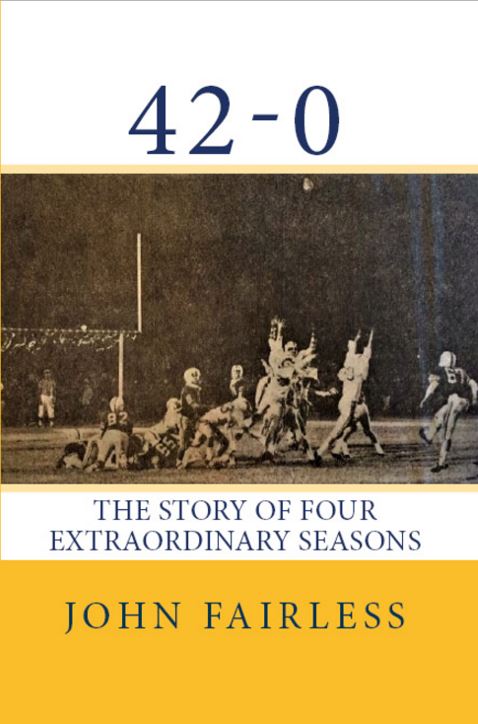
 My “fun” project was writing 42-0: The Story of Four Extraordinary Seasons. It’s pretty much what it sounds like, as I seek to tell the history in and around our high school football team that went undefeated for four consecutive seasons from 1967-70. There were some very exciting games in that streak, of course, but one game in particular stands out near the end, with two undefeated teams meeting and a record crowd attending to see who would be victorious. Other schools here in West Tennessee cancelled their games on a Friday night so that people could drive to Martin for what came to be known as The Game.

The fact that the winning streak was set against the backdrop of the late 60s – with racial integration of the schools, the Vietnam War, political assassinations, and civil unrest – came into the picture as I was telling the story. Looking back on that time, I was quite moved.

 What inspired you to write it? Why now, after all these years?

 As your husband and my friend, Barry, can tell you – everybody in town was caught up in the football fever during those years. It was huge! I was in a Facebook group conversation one night with some friends, including Julia White Brundige, whose husband figured prominently in the winning streak. I asked her if anyone had ever written the story of those teams. She said no one had, and I caught a bug that simply would not go away. I wanted to tell the story before all the players from those teams were gone and nobody could remember what happened.

How did you do research for it? How did the writing process work for you? Did you use any particular organizational tools, have a routine, or just write when you found the time?

 I started with my own memories as a kid in elementary and junior high school. I knew from the outset that I wanted personal stories as part of the work – not just a sports fact book with the details of all the games. I began to interview people from those teams whenever I would make a trip back to Martin, and as the stories around the story began to grow, I was able to do phone interviews with players that had moved to various parts of the country.

The sports editor of our local paper, The Weakley County Press, was very helpful and gave me unlimited access to the morgue files at the paper. I spent a lot of time thumbing through crumbling copies of the paper from the 1960s and 70s.

I’m a little old-fashioned in that what I see in my brain as I research first goes through my fingers with pen and paper. I took notes of the interviews and summarized the stats from the games in several composition notebooks. People gave me press clippings and game programs from their scrapbooks. I had a huge pile of research material!

When it came time to write, I had a natural outline in the 42-game schedule that the team followed, and intermingled events from history and the stories of the players and fans I had collected. It really started to write itself once I got rolling on that.

 What was the most difficult part of the process? What was the most surprising part?

 The most difficult part was deciding what I couldn’t fit into the book. There are so many great stories and behind-the-scenes episodes that I heard!

The most surprising thing was how vivid and real the events from that time were for everyone I talked to. The story also features a feeling that is hard to put into words – what it was like to grow up in a special small town like Martin was in those days. I will admit that, when I go back and read the book – which I did again this week to prepare for this interview – I still get goosebumps and a tear in my eye as I turn the pages.

 Is the book self-published, or did you have to query different publishers to find one willing to publish it?

 I self-published on Amazon’s CreateSpace platform, now called Kindle Direct Publishing, I believe. I was more concerned about telling the story than I was about making lots of sales.

I heard that this book is possibly being optioned for film. Can you tell us a little about that?

 Lots of readers have said, “This would make such a great movie. It’s like Remember the Titans or Hoosiers!” Nothing would thrill me more, of course, so I talked to a couple of people I know who have been involved in film production. I have the story listed with TaleFlick, which is a repository for stories and screenplays that is used by lots of independent producers to find projects. Think Netflix, Amazon, and other media outlets that aren’t necessarily the big studios.

As it so happened, I was attending a retreat with my wife in Montana a few weeks ago, and part of the program was a premiere of a new Netflix production, with the producer joining our group to talk about the process. I got into conversation with him, he liked what he heard, and he is currently reading the book and considering the project. Fingers crossed!

 What advice would you give others who wan t to write a book but haven’t yet done so?

Can I borrow Nike? Just do it! When the urge to tell the story becomes more than you can bear, you will pick up your pen or grab your keyboard and start writing. Don’t worry about being perfect. Tell your story!

 Where can readers purchase the book?

 It is available on Amazon.com; search for my name or for 42-0: The Story of Four Extraordinary Seasons.

 Do you have plans for a future book or a work in progress right now?

 I continue writing with my pastor partner. We have a book coming out later this year for those who prepare sermons. It’s a companion to our volume, A Simple Way to Preach. Other than that, for the time being, I keep writing sermons and lessons every week, so my fingers never get too many cobwebs on them!

 Thanks so much, John, for your time. Is there anything else you’d like to add?

Thanks for the chance to share, Pam!


What obstacle are you working to overcome?

2018082595091539

This morning, on my Facebook author page (Pam Harris, author), I asked the question: What is the biggest obstacle you have faced? I went on to ask: “How did or do you cope?

There is no doubt life is full of ups and downs. There is also no doubt some people endure more adversity and heartaches than others. It seems so unfair, doesn’t it?

Sometimes, in church, we sing “Count Your Blessings,” and I wonder: How does a parent who has lost a child count his/her blessings? How does someone battling a horrible disease or living with a major disability count blessings? It’s easy for me. I’m healthy, my family is healthy, we have what we need and much of what we want. So how do people who are enduring so much more handle it?

So many do handle it. I see them coping, focusing on others, overcoming their heartache and pain to live the best life they can live given their current situation. Those with a strong religious faith rest on that faith to get them through, to help them day to day. I guess those without that faith find other ways to cope.

That doesn’t mean those people don’t feel sadness, grief, heartache. It just means they try not to let their adversity destroy them.

The photo above is of my daughter-in-law and me in front of St. Jude Children’s Research Hospital. She works there as an occupational therapist, and I cannot describe how proud I am of her. Her job is emotionally taxing, but she loves it. She loves working with those children, and the parents often bond with her and other care-givers. I look at her and think about those parents and wonder: How do they do it? How do they cope?

The human spirit is amazing in how strong it can be. Coping doesn’t mean we don’t have our moments of sadness and grief. Coping doesn’t mean it is wrong to give in to that sadness. Sometimes, when by myself and allowing myself to give in to self-pity over my vision loss and loss of independence, I have a good cry. One of those ugly-crying episodes where I cry until I have no tears left.

It is healing. It releases the emotion and allows me to move forward. I am better able to focus on the positives, the blessings, in my life rather than this one big negative.

I often think about those kids at St. Jude and their parents. I think of friends and family members who have lost children, who are fighting cancer or some other disease, who are disabled for reasons far worse than my own disability. Thinking about those things makes me feel guilty for giving in to my own self-pity, but at the same time, that emotional release helps me be stronger.

So what is the point of my ramblings today? What good does it do to talk about grief and pain to those who haven’t experienced any of what I’ve mentioned?

Just this. Some advice. I think  what all of us would tell our younger selves, our before-adversity selves, is “don’t take anything for granted.” If your children are keeping you so busy you are exhausted, hug them because they are alive and well. If your job is wearing you out, be glad you have the health to work, and if you really hate it, try to find a different job. If you can get in a car at a moment’s notice and drive wherever you would like, be glad you have that measure of independence. If you can walk, if you can hear, if you can…you get the idea.

Yes, we will feel tired, stressed, discouraged, hurt, and all the other negative feelings that are a part of human existence. Don’t hide from your emotions, don’t push them aside. If you need a good ugly-cry, go for it. Then pick yourself up, dust yourself off, and push forward the best you can.

Count your blessings and don’t take anything for granted. Maybe those almost-cliché words of wisdom are more powerful than we thought. And maybe we all need a reminder of The Serenity Prayer:

God, grant me the serenity to accept the things I cannot change, the courage to change the things I can, and the wisdom to know the difference.

Living one day at a time, enjoying one moment at a time; accepting hardship as a pathway to peace; taking, as Jesus did, the sinful world as it is, not as I would have it; trusting that You will make all things right if I surrender to Your will;

So that I may be reasonably happy in this life and supremely happy with You forever in the next. Amen. –Reinhold Niebuhr


Escape to an island…actually, four.

20180606_132328This photo was taken at Currituck, between Duck and Corolla, in the Outer Banks of North Carolina. It’s on the sound side, not on the Atlantic, but it is beautiful nonetheless.
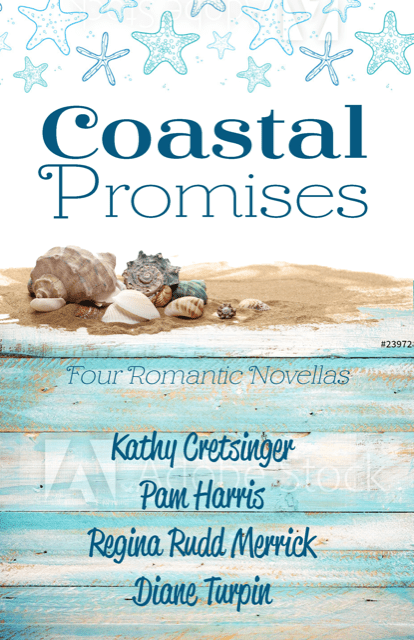
Duck is the setting of my most recent book, a novella entitled Surf Song Inn, one novella of four in Coastal Promises.

If you’ve read any of my books, you know I write clean fiction. You know that my adult books all have romance elements. This novella is no different.

What is different is how the idea came to be. I was inspired to write Aimee when I visited the oldest standing schoolhouse in Arizona. The inspiration for Can’t Help Falling in Love, a novella in Smoky Mountain Brides, came from my publisher, who told me she wanted me to write a romance with the main character being a vet who treated the horses at Graceland. The inspiration for this novella came from falling in love with The Outer Banks in 2018 when I visited it for the first time.

When a group of writer friends and I decided to write novellas set on different islands, I knew mine would be set in the OBX (Outer Banks). But what would my story be? Who would be my characters? What kind of romance could I write in only 20,000 words?

After thinking about it, I decided on a country music singer escaping her hectic life for a brief respite in the OBX. The blurb is:

Dreams don’t always work out as imagined, a fact country music singer Rachelle has learned all too well. Burned out by the demands of her singing career, she flees from Nashville to a quaint inn in the Outer Banks of North Carolina where she hopes to find peace and clarity. Registering under her real name of Holly Bellamy and sporting a new hair color and style to disguise her true identity, she revels in being just a “regular person.” When she and the inn’s owner begin to develop feelings for each other, however, her life takes a turn she never expected.

Like the sound of it? Then be sure to go to Amazon and search for Coastal Promises. Read the blurbs for the other three novellas. Buy the e-book for $4.99 or the paperback for $14.99.

Then find a quiet spot with your favorite snack nearby, and escape to an island. Let the waves carry your stress away as you enjoy light romance set in very romantic locales.

I thank you in advance if you purchase the book and hope that you enjoy it. And on a side note–no, dreams don’t always work out the way we expected, but that doesn’t mean we should stop dreaming.

Dream on.

Welcome cookbook author, Cyndy Haines!

20190924_101612

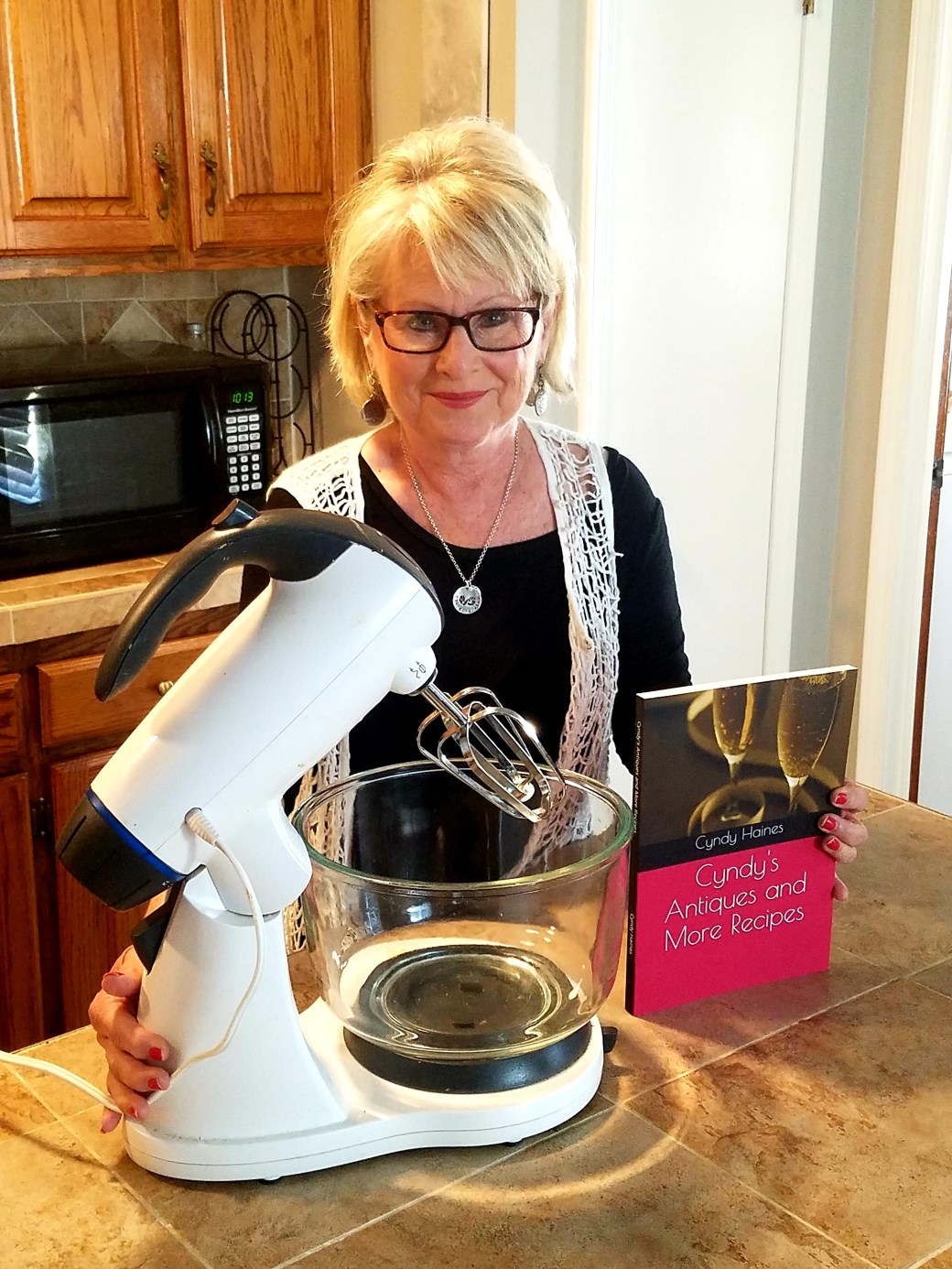
Today I welcome my cousin, Cyndy Haines, who recently published her first cookbook, to my blog! Cyndy, what prompted you to write a cookbook?

My children. They were always calling for recipes, and my boyfriend suggested I write a cookbook. The idea grew, especially after I found out that a co-worker’s sister, who was struggling with personal issues, wrote and self-published a cookbook for their family and friends. She used a local printing company and never intended to make it available to the public. I manage nine antique booths in an antiques mall, and one of the ladies who has a booth there was going through chemo treatments, and she wrote a cookbook while sitting in the hospital going through her treatments. I saw you were struggling with vision problems yet still writing and editing. So the three of you inspired me to accomplish this goal. If you three could overcome adversity to fulfill a dream, then I could too.

 Thank you for saying I was an inspiration to you. I am just glad I was able to be a small part of this process for you. Tell us, how did you choose the recipes?

Most of the recipes are old family recipes and recipes fro friends with no real known origin. For example, I have several of your mom’s recipes, and I have Mom’s, my daughter’s, my son’s, and more. I selected my favorites and my children’s favorites, because the original intent was a cookbook for them. Then you told me about Amazon publishing, and I tbought, “Why not?”

 Are any of them your own creation?

Yes, several of the meat dishes. Some of the recipes were modified from the original by me, but I think a lot of recipes are like that.

 What are some of your favorite recipes in it?

I love Kyle’s brownies, Gwyn’s cabbage casserole, and my baked pork tenderloin. I also love my caramel cake icing recipe and barbecued meatballs.

 Just hearing those food names makes me hungry! know you self-published the book through Amazon. What are some things you learned that others would need to know before self-publishing with them? It was very challenging. The first thing I learned is that formatting is the real key to a perfect book. For instance, when I I typed recipes in Word, I have hit enter several times. Well, that made things not line up correctly. I called a local printer for help. His charge was very small, and he helped solve the problem. You can find the steps for self-publishing with Amazon, and they are very easy to follow. However, be sure the formatting is correct, that you have allowed room for the gutter (the middle of the book), and that you have created your cover. They do have standard covers you can choose from, which is what I did because of copyright issues with the one I had intended to use. But once you go through the process, it’s easy.

Any plans for a future cookbook?

Yes, my next cookbook is already underway. The focus of this one is make-ahead meals that can be prepared and frozen then thawed and cooked when needed. It will also have more crockpot meals.

Where can readers purchase your cookbook on Amazon?

https://www.amazon.com/Cyndys-Antiques-Recipes-Cyndy-Haines/dp/1099904463

Thanks, Cyndy, for taking the time to answer my questions. I’m looking forward to trying out some of the recipes soon!


What’s on your bucket list? Don’t wait to do it!

Elvis quiz show photo.jpg

Maybe you’ve seen the movie with Morgan Freeman and Jack Nicholson, two men supposedly dying who decide to travel the globe and do all the things they ever wanted to do. They do all kinds of crazy things, live extravagantly (thanks to Jack Nicholson’s character’s wealth), and realize that life without loved ones is hollow. They return home and––spoiler alert––one of them dies, the other one lives many years longer.

An unrealistic movie in many ways, it still holds a grain of truth. We all have things we want to do, but we keep putting them off, saying we’ll do them when retire or “when I have time.”

I get it. Life is busy and doing what we have to do gets in the way of what we want to do. While raising children, your life is not your own as you attend all those ballgames, band performances, gymnastics lessons, plays, church activities, and all the things that we do for our children. No doubt the needs of our families must come first.

But I wonder why we make excuses for not doing some things that we want to do now instead of putting it off. Nothing extravagant, like in the movie. Simple things. Affordable things. Things that require not much more than some of our time.

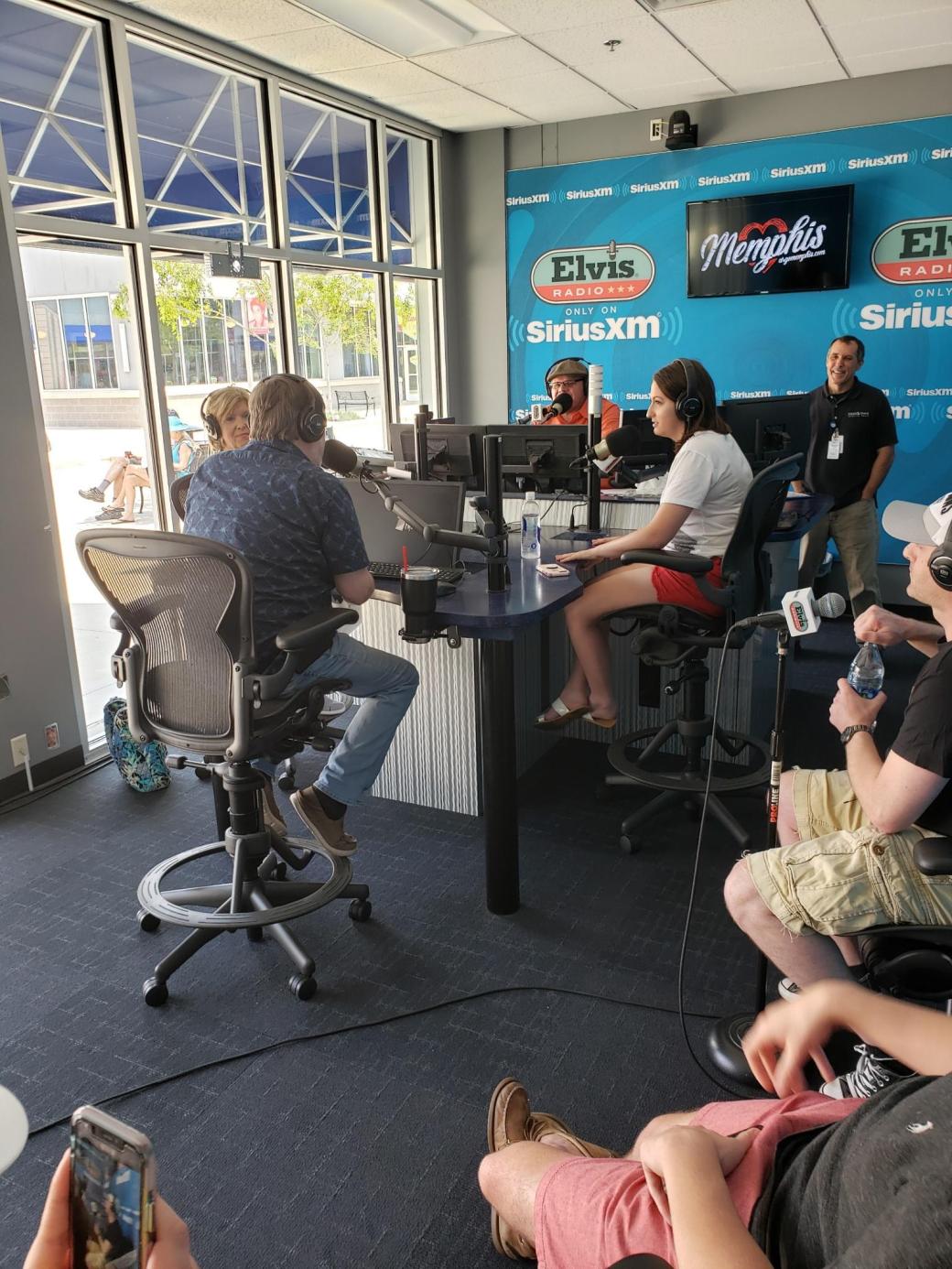
I was guilty of putting things off until retirement. Oh, I did a few things. I did some painting classes. I took some short trips to places I always wanted to see. And, oh, I did write a few books. But I spent fifteen years wanting to do the St. Jude Half-Marathon in Memphis before I actually did it, thinking I didn’t have enough time to train. I finally was on the Elvis Quiz Show on Elvis Radio (pictured above) a year after I retired. I could have done that before then. So why didn’t I?

Because I made excuses.

We have no guarantees in life. We are not promised tomorrow, and I can’t count the number of people I have known who retired and within weeks were dealing with life-changing illnesses.

My advice, then, is don’t put it off. If it’s simply a matter of rescheduling your time or saving on the side for a special trip, do those things while you have the ability to do so. If fear is holding you back (afraid to apply for that dream job, afraid to fly to someplace you really want to go, afraid of being out of your comfort zone), seek professional help or even the help of friends. Do what you can to live a rich life, a life that doesn’t put off things until it is too late.

I would never suggest that your wants and needs should come before those of your family. I am merely suggesting that maybe it is time for you to start checking off those bucket list items before you’re too old to do them.

As for me, I still have a long list of things I want to do. Number one was the half-marathon. Check. Number two was the Elvis Quiz Show. Check.

Number 3? Be an extra in a movie. Guess I need to check those posts with the Tennessee or Memphis film commissions…


Four Women. Four Islands. Four Love Stories.

FC - Coastal Promises 1

Last fall, some writer friends and I discussed how much fun it would be to write four short novellas, all with a beach theme, all contemporary romances. A novella is simply a short novel, usually no more than 25,000 words, and it is a bit harder to write than a full-length novel. You have to write “tight,” leaving out unnecessary descriptions, thoughts, and other things that might hinder the story from being told in as few words as possible.

The picture you see is the result. The book is now available for pre-order on Amazon for only $4.99 for the e-book. Pre-order means order it now, and when it comes out, it will be delivered automatically to your device.

If you have followed my blog or looked at my Pam Harris, author, Facebook page, you know that I fell in love with th Outer Banks of North Carolina in 2018. My beach experiences in California and Florida have all been wonderful, but there was something special about the Outer Banks that I can’t describe or explain. So it was natural that I set my book there, in a little community called Duck. The inn in my story is not real, nothing more than a creation of my imagination, but most places mentioned, even the Walmart, are actual sites.

This book is clean fiction, so if you’re looking for the racy stuff, look elsewhere.  The characters in the four novellas are not linked in any way, so you’re not reading the stories of four friends or four sisters or even cousins. (Hmm, Each novella stands on its own, so you can read one entire book in a short time.

Here’s the blurb for my story:

Surf Song

Dreams don’t always work out as imagined, a fact country music singer Rachelle has learned all too well. Burned out by the demands of her singing career, she flees from Nashville to a quaint inn in the Outer Banks of North Carolina where she hopes to find peace and clarity. Registering under her real name of Holly Bellamy and sporting a new hair color and style to disguise her true identity, she revels in being just a “regular person.” When she and the inn’s owner begin to develop feelings for each other, however, her life takes a turn she never expected.

The other novellas feature an artist and gallery owner on St. Simons Island, Georgia, a dolphin cruise owner on Tybee Island, Georgia, and a wedding venue owner on Pawley’s Island, South Carolina (a Southern Breeze novella).

Interested? Here’s the link.

Y’all, you guys, or you’uns?

barrier-fence-gate-51002

I love languages. I think it began with my love of reading in elementary school, but it continues to this day. I loved English in school, easiest subject for me.  Two years of Latin in high school, which I loved. (I was in the minority. Someone wrote in my Latin 2 book: “Latin is a dead language. It killed the Romans, and now it’s killing me.”)  I majored in Spanish and minored in French in college.

You get the idea.

It is no surprise, then, that regional differences in English are interesting to me. Why do people from the North say “sneakers” and most people in the South say “tennis shoes?” Why do Southerners in rural areas say “supper” and city-dwellers say “dinner?” Or does it vary by family?

Writers need to understand these differences, which is why I always set books in regions with which I am most familiar. I would never set a book in New York, for instance, because I don’t know the area, don’t know the idioms and attitudes, don’t know the culture at all. I stick to books set in the South and West, the areas in which I’ve lived. Even doing that, I’ve made mistakes.

For years, well into adulthood and in spite of all my language studies, I called the stuff you see in the picture “rod iron.” It wasn’t until after my first book was published that ar reader pointed out to me that the correct term is “wrought iron.” She was right. “Rod iron” is a material used to cut nails (the kind used in construction, not the ones on your fingers). “Wrought iron” is the decorative stuff.

My husband makes fun of me for saying “loaf bread” in stead of “loaf of bread.” That’s the way my parents always said it, as in “I’ve got to buy some more loaf bread.”

In Arizona, where I spent my childhood years, my friends and I said “you guys” for the plural even when talking to a group of females. People out there drink soda. People in the South drink Cokes, even if you’re buying Dr. Pepper. It’s all Coke. in the North, I think it’s “pop.” Our daughter-in-law, who is from a few hours north of us, gets a kick out of us having our picture “made” instead of “taken.” And let’s not forget a phrase every Southerner understands only too well–fixing to. “Hey, Johnny, have you done your homework yet?” “No, Mom, but I’m fixing to.” Important side note: fixing is ALWAYS pronounced fixin’ in this situation.

I’m sure people who have studied language origins and trends could explain all of this and give us a very detailed explanation as to how various cultural influences  affect our words and accents. As much as language interests me, however, I’m not going to do extensive research on it.

But I notice. I noticed when our waitress in a Cracker Barrel in Ohio called us “you’uns.” I notice when my mother eats dinner instead of lunch. I think dinner is a big midday meal and lunch is a light meal for her. I notice when I’m reading a book set in the South and it is obvious to me from the dialogue that the author of the book is not from the our region and has no idea how we talk.

Maybe this has been food for thought for you writers and even for those who aren’t. The words we use and the way we say them identify our heritage and upbringing as much as or more than anything else.

I’d love to know some expressions that are common to your area, so please comment on my “Pam Harris, author” Facebook page. I’ll look forward to reading them. Let’s celebrate our differences!


Quick, flavorful, easy recipe ideas

gtillers crumbles

Okay, I confess. I left out a very important word in my blog title. The word is…healthy.

I left it out because most people automatically think “healthy” means “not good.”

I disagree. Over the years, I’ve experimented, adapted, succeeded at times, and failed at times to discover flavorful meals that are healthy, satisfying, quick, and cost-effective.

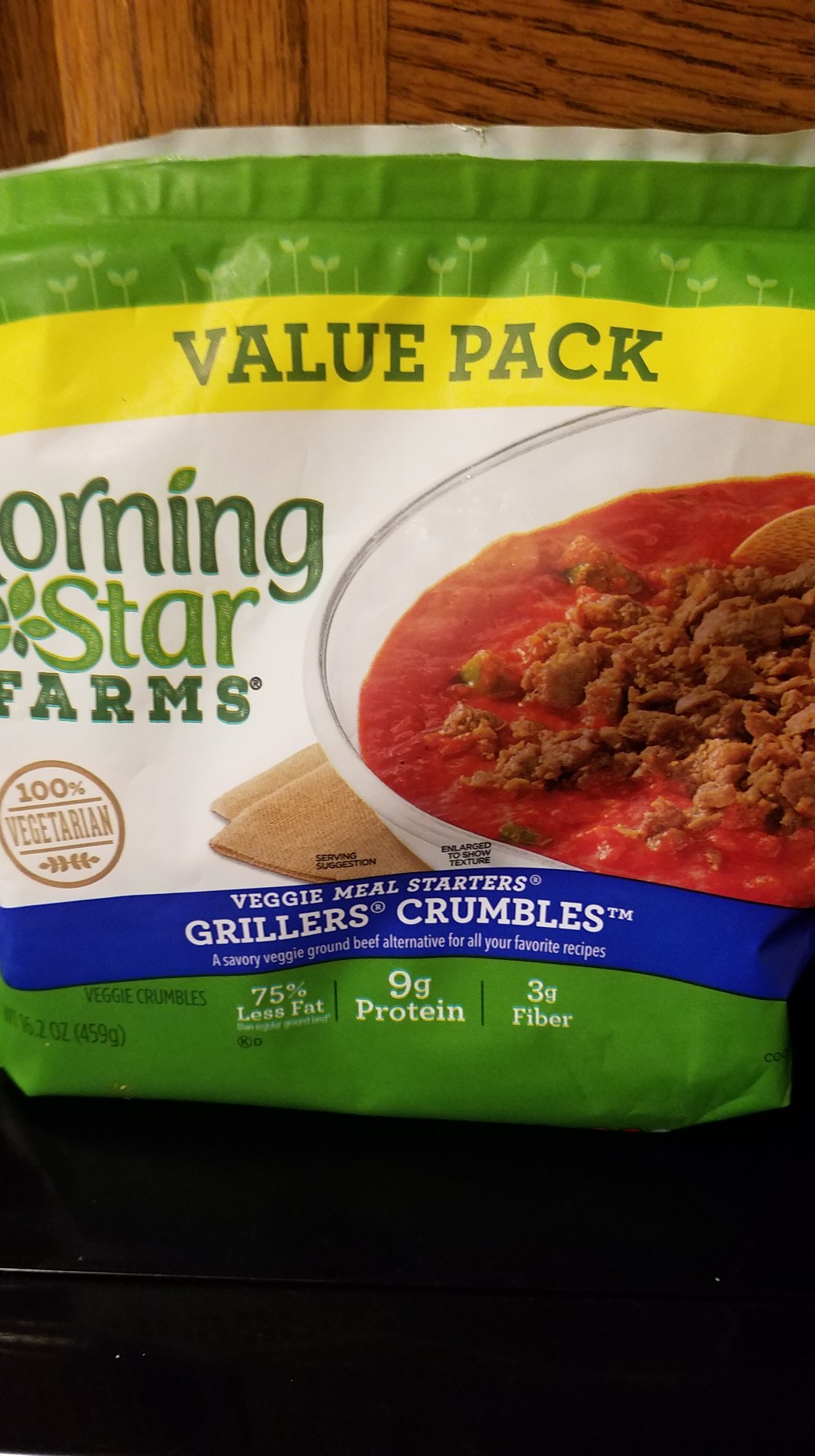
Take the crumbles in the picture, for example. I use them in spaghetti sauces, “beef” and bean burritos, homemade soup (taco soup and vegetable soup), stuffed peppers, and more. The texture is better, finer, than ground turkey, and if you don’t tell anyone the crumbles are vegetables instead of meat, they’ll likely never know. Well, maybe that’s an exaggeration, but it’s likely not enough of a difference to matter to them. The crumbles are already cooked, so all you have to do is add them to whatever you’re cooking, which is a huge time saver.

Another great time saver with some variety? Rotisserie chicken. I buy the ones at Walmart that have been chilled (well, go ahead and buy the fresh if you’re using it that day), and I use the meat in chicken tacos, chicken burritos, chicken chimichangas (will explain in a moment), homemade soup, barbecue chicken sandwiches, and in salads. You can have a meal ready in fifteen minutes with a rotisserie chicken.

Which brings me to a recipe I found years ago in Southern Living magazine. I no longer have that edition, and my memory may fail me on exact amounts, but here is their recipe and the way I now make it (keep in mind you must use a rotisserie chicken, not cook your own chicken. The flavor won’t be as good.)

Easy chicken chimichangas

6 large taco size flour tortillas or burrito size flour tortillas

1 rotisserie chicken, traditional or lemon pepper or farlic

1/4 onion, finely chopped (optional)

1/2 cup canned whole kernel corn, drained

1/2 cup black beans, rinsed and drained

1/4 cup salsa verde

1/2 cup shredded cheese (optional, but sharp cheddar or taco cheese works best)

Directions:

Remove skin from chicken and pull meat off, being careful to remove all bones.  Pull chicken pieces into shreds and chunks with your fingers. If using a chilled chicken, place in microwave and heat for one or two minutes, just enough to cut the chill from the chicken. Add other ingredients and stir well. Place mixture in each tortilla and fold burrito-style, securing with toothpicks. In a large skillet on medium high heat, pour 1/4 cup of canola oil. Place burritos in skillet, cook approximately three to four minutes per side, using tongs to turn over. Be careful to avoid burning, tortilla should be crisp and brown but not burned. Remove from skillet and serve immediately.

I always make homemade salsa and sometimes guacamole to go along with it.

Don’t want to fry them, want burritos instead? Place all six in a pan that has been coated with cooking spray. Top with cheese, place in a 350 degree oven, and bake until cheese is melted.

When I make these for my husband and me, I always have too much chicken mixture because I only need to make two chimichangas instead of six. I freeze the leftover mixture and use it later in taco soup.

Here’s my taco soup recipe:

1 large can tomato juice

1 pkg. ranch dressing dip mix (brand doesn’t matter)

1 pkg. taco seasoning (I usually use Taco Bell)

1 pound of browned, drained ground beef OR 1/2 bag of the crumbles pictured above

1/2 small onion, finely chopped (optional)

1 large can green chiles (NOT jalapeños unless you like that sort of thing)

1 can rinsed and drained black beans

1 can whole kernel corn

Place everything in a large pot, bring to a boil then reduce heat and cook on medium to medium low heat for fifteen minutes. Another option is to place all ingredients in a crockpot and cook on low for a couple of hours.

NOTE: My son likes it spicier, so he uses two packages of fiesta ranch dip mix and two packages of taco seasoning. A little too spicy and too much sodium for me!

If you’re using the leftover chicken mixture described above, just the juice, ranch and taco seasoning mix, and the chicken mixture is all you need.

For less sodium in these recipes, look for the no salt added corn and beans or use fresh or frozen instead of the canned.

Happy cooking!


Walk a Mile in (Someone Else’s) Shoes

20180723_191850

You probably don’t know who the little boy is in this sketch. I’ll reveal it at the end of this blog.

But you can tell he’s poor. The uncombed hair, the sad look, the shirt. He faced discrimination while growing up, was ridiculed, literally lived “on the wrong side of the tracks.”

As humans, we have a tendency to be judgmental. Whether we are rich, poor, or middle class, we judge others without knowing their stories, without acknowledging that they may be walking a different path.

I was raised in the middle class, so I have no idea what it’s like to go to bed hungry or not to have a place to live. As a white woman, I have no idea what it’s like to be a member of a minority. As a college graduate, I have no idea what it’s like to lack the education to find a better job. As an American, I have no idea what it’s like to live in a country that is so unsafe that I would walk miles and miles just to get me and my family to a safer place.

There is no doubt that people make their own choices in life. I can cite at least two instances I know personally of two men who overcame their backgrounds and achieved success, two within my own expanded family circle. They overcame with strong work ethics that exceeded their natural-born talents. They are success stories.

Whoa, let me back up. I just wrote that people make their own choices in life. True yet not true. Young children don’t make their choices. Illness, accidents, and other obstacles sometimes make choices for us. As a former teacher, I do know that intelligence levels cover the spectrum, and some people just don’t have the intelligence to earn a decent living in our non-manufacturing society, as harsh as that sounds. Additionally, some people find it more difficult than others to resist the temptations of alcohol and drugs.

Don’t misunderstand me. Right is right, and wrong is wrong. We don’t need to make excuses for our behavior or the behavior of others. Just because you are poor doesn’t give you the right to steal. Just because you are rich doesn’t give you the right to defraud others for even greater financial gain. No circumstance can justify illegal activities.

Yet if anyone as described above repents, tries to make things right, and changes his or her ways, I think we should accept it and let the past be the past.

What a better place this world would be if we’d help instead of condemn, be patient instead of becoming angry, and treat others the way we’d like to be treated. Try to be more understanding while still not accepting wrong. Show compassion but don’t condone.

I sketched the above picture several years ago from a photograph in a book. That poor little boy grew up to be rich, but he never forgot what it was like to be poor. He made numerous mistakes in his adult life, and I would never condone some of his behaviors. But this poem and song as performed by him express the essence of my blog today.


Doing what you can instead of bemoaning what you can’t

On Dec. 1, 2018, I jogged/walked 13.1 miles at the St. Jude Marathon fund-raising event in Memphis. I recorded this on Riverside Drive as I was approaching mile marker 4. I had never done a half-marathon, not even a 5K, but I’d always been a fitness walker, and completing the half-marathon had been on my bucket list since I was in my forties.

I finally did it at 62. I finished the 13.1 miles in three hours and 17 minutes.

26,000 people participated in this one event, people of all ages. And most of them were not marathon runners. Most were like me, jogging a bit then walking a bit. Some walked the entire half-marathon. I passed a man wearing a neon yellow shirt reading “Blind Runner.” He was tethered to another man, also in a neon shirt, and he was walking instead of running, but he was doing it.

Everyone that knows me knows that the event was the highlight of my 2018, even though I also retired that year. There are many reasons for my feelings, but that is not the purpose of today’s blog.

The point today is to look for what you can do instead of dwelling on what you can’t, then do it.

We are often told we can do anything we set our minds to do, but that’s not entirely accurate. That blind man couldn’t run/walk the race without help, and I doubt he was able to actually run as there were occasional obstacles on the street that could have tripped him. But he was able to walk. He was doing what he could.

I know nothing about the gentleman, but I do know there are countless things he can’t do. He can’t read a normal book or watch TV. He can’t drive a car and likely can’t cook his own meals. But he can listen to audio books, listen to television programs, ride in a car driven by someone else, and maybe use a microwave.

And, with help, he was able to raise money for kids fighting cancer. He was a part of something that was bigger than himself. I imagine he felt even better than I did when he crossed that finish line.

That man has no idea what an inspiration he was to me. I have no idea what caused his blindness. Maybe he had cancer himself that caused him to lose his sight, and he wanted to do something to help others. Maybe he’s been blind from birth or had a congenital defect that took his sight. Whatever the cause, he wasn’t allowing it to stop him from doing what he could do.

A lesson for all of us, I think. Life is going to throw us some curve balls, and adversity will strike at some point. Illness and death are a part of life, but until we are faced with the inevitable, we can make the most of our lives with the abilities we have now.

Like the blind runner, I had help achieving my goal. My family, especially my daughter-in-law, were of great help and support. Generous contributors gave money to my fund-raising campaign. At every mile marker, employees of Memphis businesses were holding cups of water and Gatorade to keep us hydrated as we plugged along. There were residents cheering us along, musicians playing as we ran/walked by, and perhaps the most touching, St. Jude employees and patients thanking us as we ran across a small part of the St. Jude campus

So the next time you’re feeling discouraged about what you can’t do, think of the blind runner. He did what he could. You can too.