

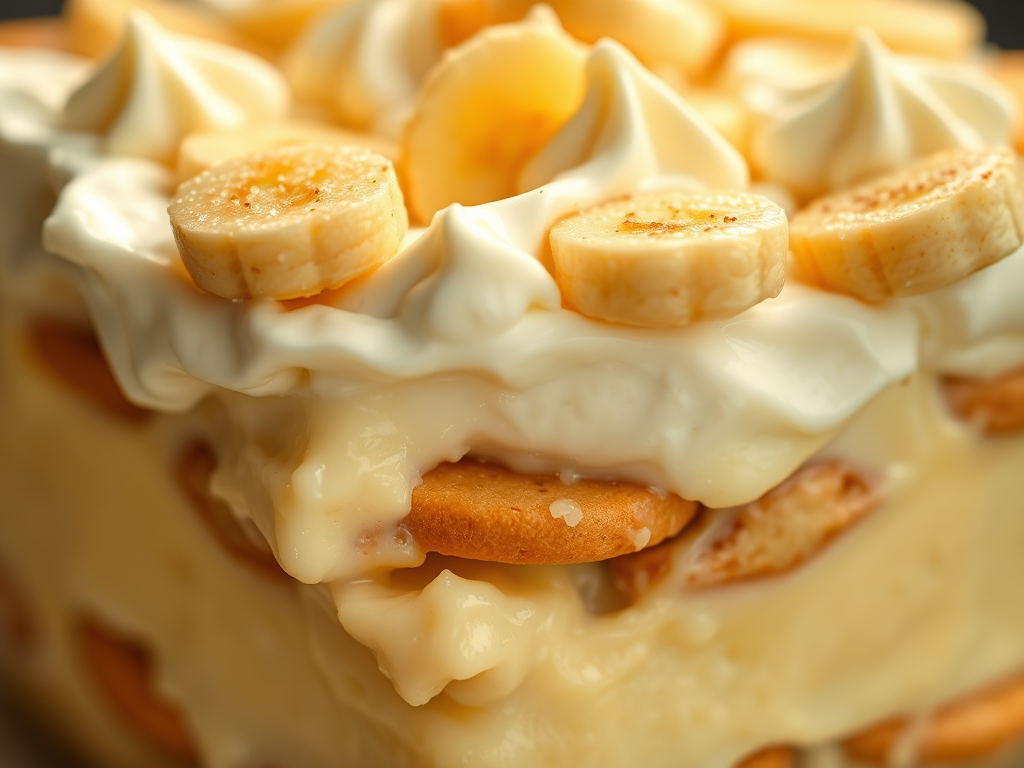
This AI generated photo of banana pudding looks nothing like the ones I make. Notice I wrote “ones.” Yes, I’ll have two banana pudding recipes at the end of this blog.
We went to a vegetable stand last week and purchased our first homegrown tomatoes of the season. These, we were told, were grown by the local Amish and grown without using any pesticides. We trusted they were telling the truth. Green tomatoes were available as well, but I held off. That’s usually a once-a-summer treat for us, not a staple.
I know the stereotypes about Southern food are there for a reason. Fried chicken, fried okra, fried potatoes—I grew up with my mom cooking all that. In my adult years and with my focus on being healthy, I got away from frying foods. It only happens occasionally, and we’ve become so unaccustomed to eating them, the food sits heavy afterwards.
I think you can understand a culture by listening to their language and by noticing their foods. People along the coast eat more seafood for obvious reasons. Here in the agrarian South, recipes are a throwback to earlier generations who lived on farms and raised almost everything they ate.
So why is banana pudding considered a Southern creation? Nobody I know has banana trees. A town about ten miles from us has an annual Banana Festival. In Tennessee/Kentucky? Why?
Bananas were first brought to the New World in the 1500s from Central America, according to what Alexa told me. Obviously they kept being brought in.
Before I continue about food, however, let’s talk about Florida. Most of us in the South don’t consider Florida to be sSouthern. Sure, we flock there on spring break, summer vacation, and fall break because the panhandle has the most accessible beaches, but to include them in the Southern culture is somewhat of a stretch. Feel free to agree or disagree. You fellow Southerners outside of Florida know what I’m talking about.
But why a Banana Festival In South Fulton/Fulton? My understanding is a train carrying carloads of bands derailed there years ago, and the town commemorated that event with a festival annually. Locals, feel free to correct me if I’m wrong.
Okay, back to food. Way back in 2004 or so, some friends came to Memphis from England. We drove down, picked them up, and spent the day showing them the area. We found out they couldn’t find food they felt comfortable eating. Memphis was full of barbecue places, and hamburger spots, but they settled on eating at Cracker Barrel where they felt safe ordering breakfast even though it was lunchtime.
I don’t know how they would have reacted to Cajun food in Louisiana. A side note here–the best gumbo I’ve ever had was at Bullfish Grill in Pigeon Forge, Tennessee. Go figure.
In the 1990s, our next-door neighbors were from Michigan. We had so much fun with them. Sandy and I walked together regularly, the kids played together, and we got together to play cards on a regular basis. One night they invited us and others over for a milk can dinner. Dave dug out a fire pit in their back yard. Sandy filled a huge milk can with cabbage that had been quartered, whole onions minus the peal, and bratwurst (I think) on top. Dave had drilled a hole in the top of the milk can to allow steam to escape, and they cooked the food over the fire for hours. She prepared corn on the cob on the side, and it was all delicious. The bratwurst spices had seasoned the cabbage and onions, and it truly was delicious.
But they’d never had okra. So I introduced them to that. I can’t remember if they liked it or not.
In December 1982, I was expecting our first child, and I was craving watermelon. Guess what? No grocery store sold watermelon because it was out of season. These days we can buy shipped-in watermelons year-round, but to me they’re never as good as the ones picked ripe and sold soon afterwards. We always think Missouri melons are the best, although we did buy one from Florida the other day that was very good.
In the 1960s, my family lived in Arizona, but we came back to Tennessee every summer to see “the folks.” Mom was going to make tacos for everyone, but there was no grocery store in town that sold tortillas, so she was unable to do so.
How times have changed. I’m glad they have. But there are still regional differences. The Mexican food I grew up with in Arizona is nothing like the Mexican food in the local restaurants, and no doubt The Back Porch in Destin far exceeds any seafood sold here. That’s okay. Diversity is not a bad thing.
As I write this, white beans (also known as Great Northern beans or soup beans in the South) are cooking in a small crockpot. We’re having battered and baked cod fillets for supper (yes, in our area the evening meal is called “supper,” a throwback to the English/Irish/Scottish heritage of the South) and roasted sweet potatoes to go with them while we drink unsweetened, decaffeinated tea. Bet you thought all Southerners drink sweet tea. Wrong.
But I don’t know anyone who doesn’t like banana pudding. So here are my two recipes. The first is the one I learned to make from my mom. The second is the easy, quick one I learned from a friend.
Custard Banana Pudding
Ingredients:
1 1/2 cups sugar
3 cups milk (I use 2%; whole milk will work great, not 1%)
2 tablespoons flour
five eggs, separated
1 teaspoon butter
1 tablespoon vanilla flavoring
3 to 4 bananas
vanilla wafers
Beat egg yolks in a small bowl with a whisk or folk to combine. In the top pan of a double boiler, combine sugar, flour, milk, and eggs. Stir well or use whisk to combine. Add water to 2/3 full of bottom pot and set top on top. Place lid on top and boil until custard thickens. Stir periodically. You may have to add more water to the bottom pot.
When thickened to the point the custard clings to the spoon when lifted out, take off the heat and add butter and vanilla. Allow to cool for ten or fifteen minutes, then transfer mixture to the refrigerator to chill at least an hour.
Once the custard is chilled, place layer of vanilla wafers in bottom of a 9×9 casserole dish or similar dimensions, a layer of sliced bananas, and a layer of the chilled pudding mixture. Continue until all the pudding mixture has been used. Top with vanilla wafers placed face down.
Save the egg whites for another use, or if you desire meringue, don’t top with vanilla wafers. Beat eggs whites until stiff. Add 2 tablespoons sugar and beat again. Spread on top of pudding using a rubber spatula and place in a 350 oven for about ten minutes or until the meringue is lightly browned. Remove from oven, cool, then chill until time to serve.
Now for the simple one!
Easy banana pudding
One large box instant vanilla pudding
3 cups milk
One can sweetened condensed milk
One 8 oz. container Cool Whip
3 to 4 bananas
vanilla wafers
Beat instant pudding and milk for two minutes. Stir in condensed milk and Cool Whip. (I use a rubber spatula.) Layer vanilla wafers, sliced bangs, and pudding mixture in a casserole dish or large bowl and repeat process until all the pudding mixture has been used. Top with vanilla wafers placed face down.
My favorite is the old-fashioned custard recipe. My husband likes the easy one the best. Hope you enjoy one of them!
 Life As I know it